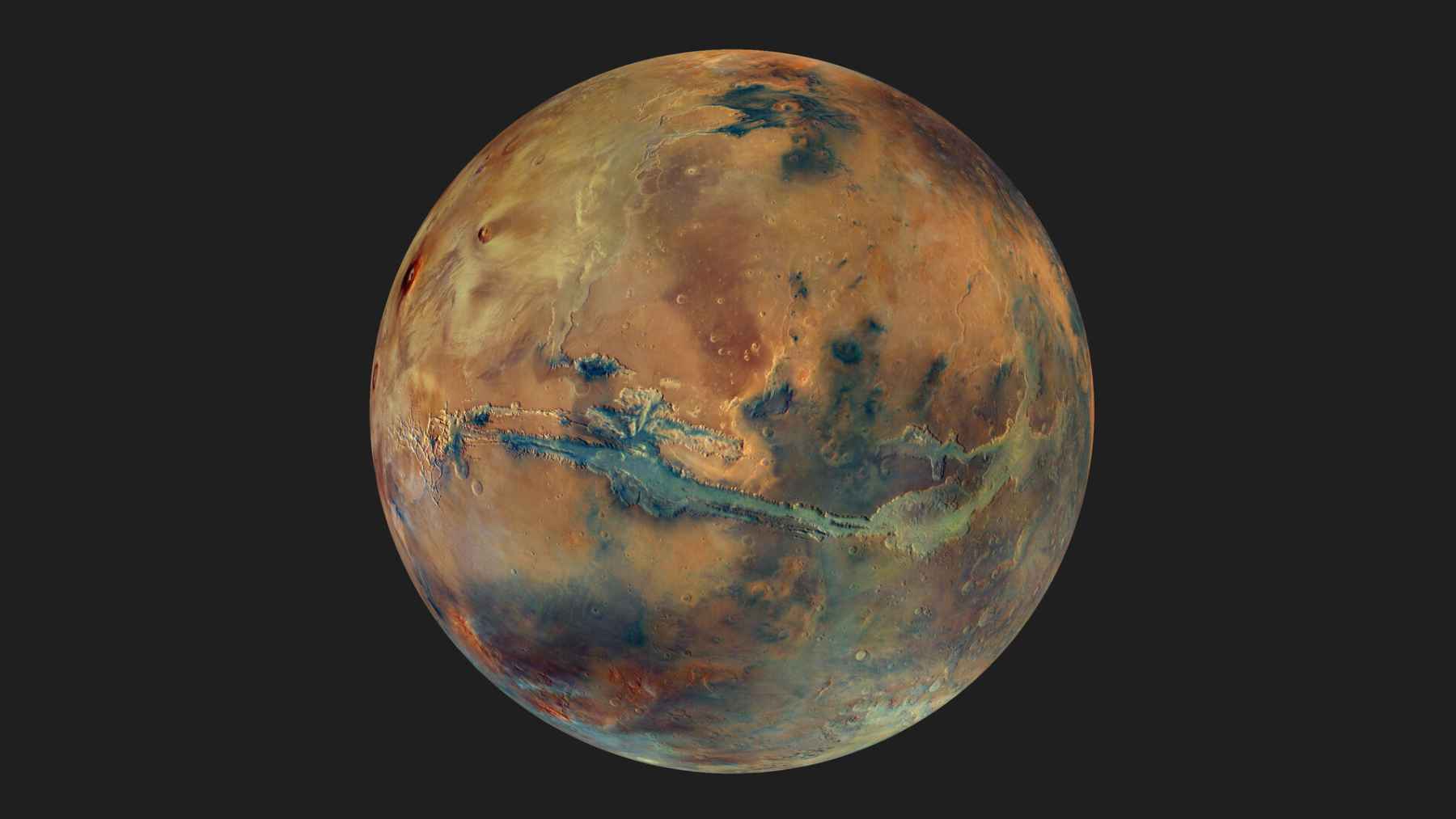
When you think about what drives Earth’s ice ages, Mars probably does not make the list. It is smaller than Earth, farther away, and mostly known for dust storms and rovers.
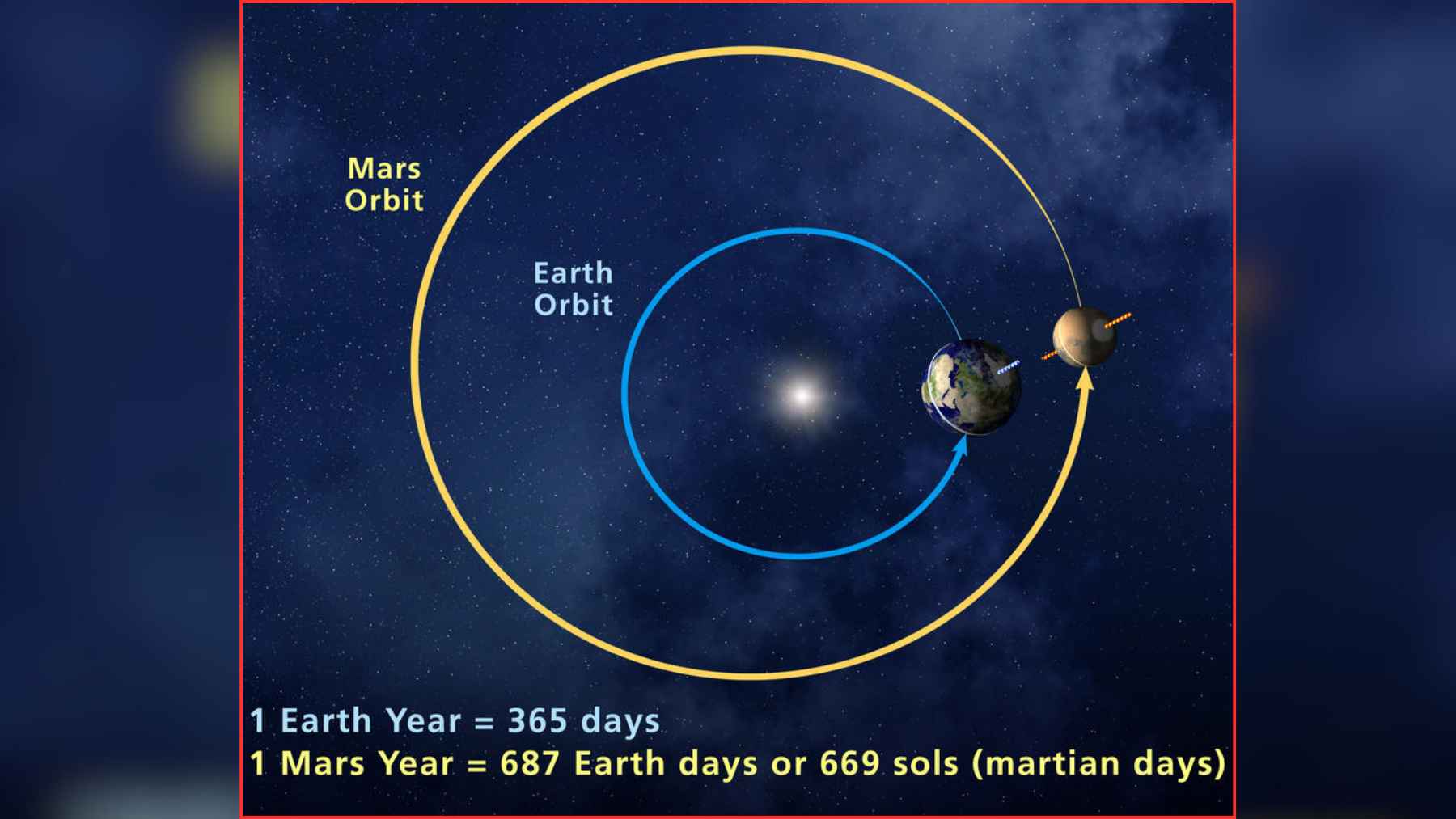
But new computer simulations suggest the Red Planet’s gravity is quietly tugging on Earth’s orbit in a way that helps set how often major ice age rhythms show up. The work argues that if Mars were not there, some of the timing we see in long climate cycles would look noticeably different.
A “featherweight” planet that still matters
The study was led by Stephen Kane at the University of California, Riverside, and it focused on Milankovitch cycles. These are slow, repeating changes in Earth’s orbit and tilt that shift how sunlight is spread across the planet over long stretches of time.
Kane started out doubtful that Mars could leave a clear fingerprint in Earth’s deep climate history. “I knew Mars had some effect on Earth, but I assumed it was tiny,” he said.
What the simulations found when Mars was removed
To test the idea, the team ran simulations of the solar system and tracked how Earth’s orbital shape changed. Orbital shape is basically how “stretched” Earth’s path around the Sun becomes, and that stretch affects seasonal contrasts and long-term ice growth.
In the results, a long cycle tied mostly to Venus and Jupiter stayed in place even when Mars was taken out. But two other prominent cycles, one around 100,000 years and another around 2.3 million years, disappeared entirely without Mars in the model.
Why orbit changes can reshape climate
These orbital cycles do not flip the weather forecast next week. Instead, they nudge how much summer sunlight reaches high latitudes, which can decide whether winter snow melts away or piles up into ice sheets over time.
That slow build matters because ice sheets change sea level, winds, and ocean circulation, and they can rewrite coastlines that people would later live on. In other words, the “beat” of ice ages can ripple into the planet you inherit, even if it takes thousands of generations to notice.
A clue for worlds beyond our solar system
The researchers also tested what happens if Mars were heavier. In those runs, the climate-related cycles became shorter and stronger, and Mars also appeared to influence how quickly Earth’s tilt changes over time.
That has a bigger takeaway for exoplanets, planets around other stars. Kane argues that a small outer neighbor could help shape whether an Earth-like world stays climatically steady enough for life to persist. Sean Raymond of the University of Bordeaux has also emphasized that scientists need to understand the full “orbital architecture” of exoplanet systems to make sense of possible climate swings.
The study was published on arXiv.