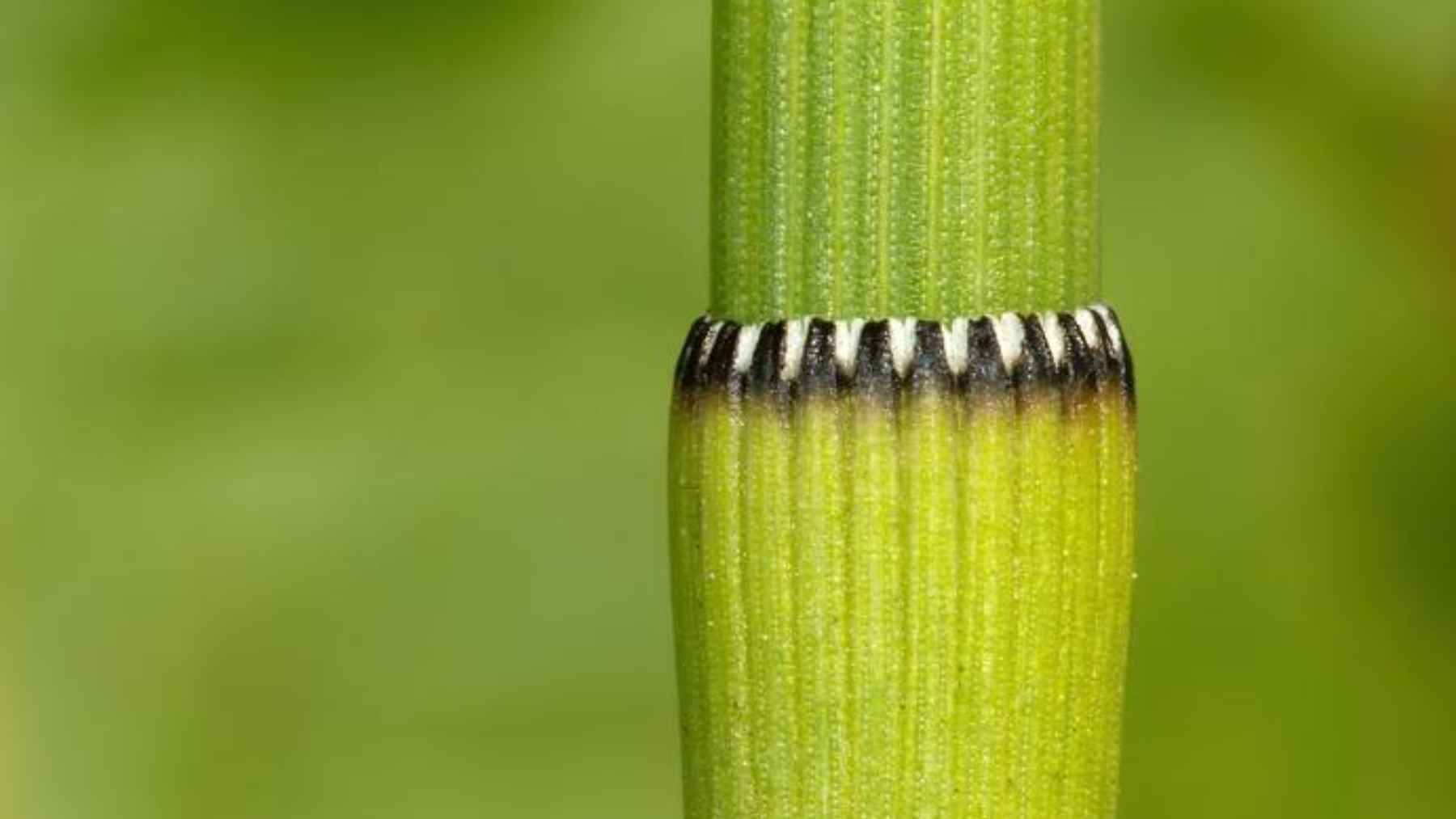
A plant that looks almost too simple to notice has just pushed scientists into strange chemical territory. Researchers studying smooth horsetail, a hollow-stemmed survivor from one of Earth’s oldest plant lineages, found water inside the plant with the most extreme oxygen isotope values ever measured in terrestrial material.
This does not mean the plant is alien. It means the stem works, to a large extent, like a natural distillation tower, quietly reshaping water as it climbs from the base toward the tip. That tiny process could change how scientists read clues from desert plants, fossils, and ancient climate records.
A plant older than dinosaurs
Horsetails belong to the genus Equisetum, a group of plants with a fossil record stretching back more than 400 million years. Today’s smooth horsetail, Equisetum laevigatum, is much smaller than its ancient relatives, but it still carries a surprisingly powerful climate clue inside its green, jointed stem.
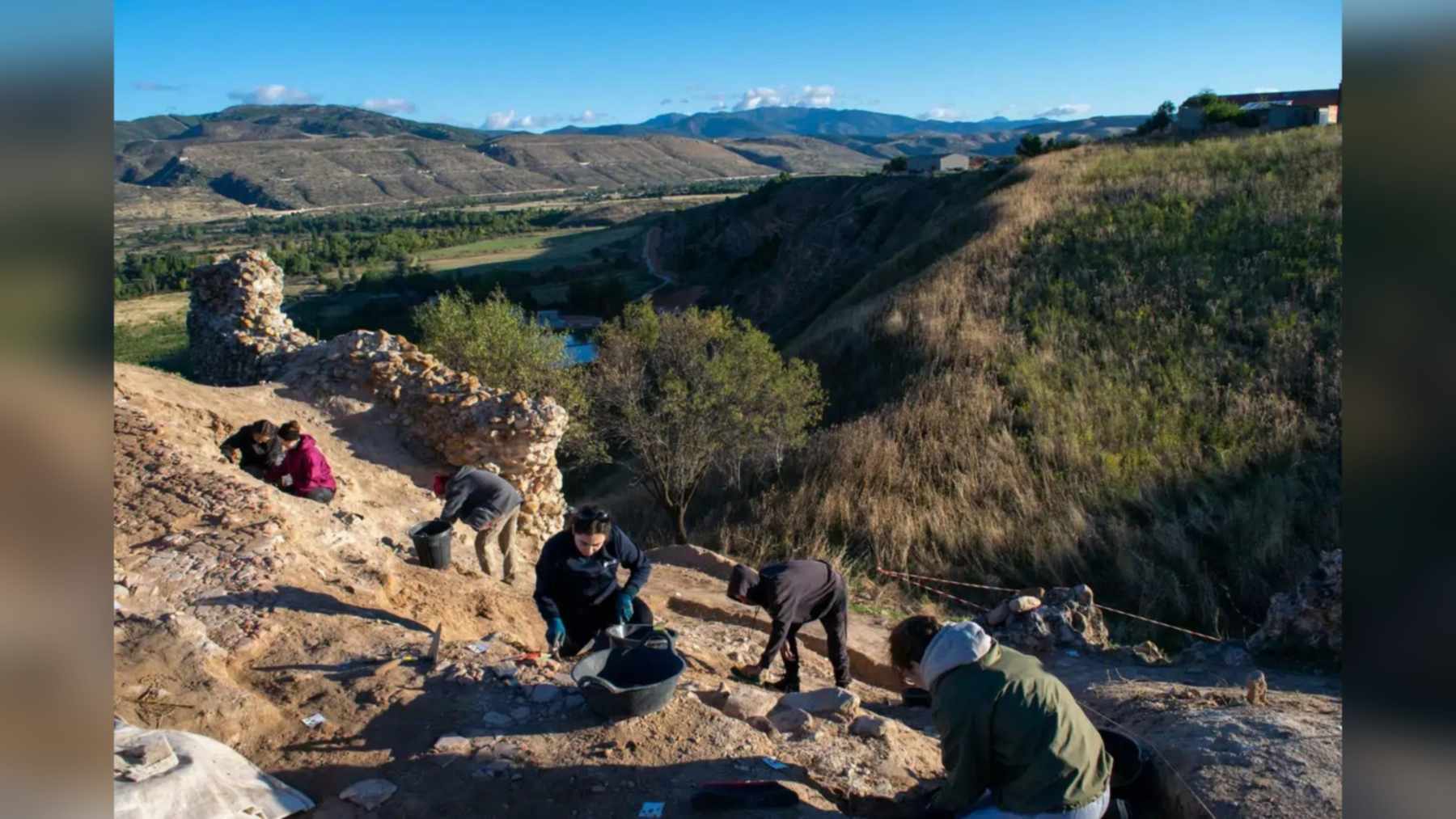
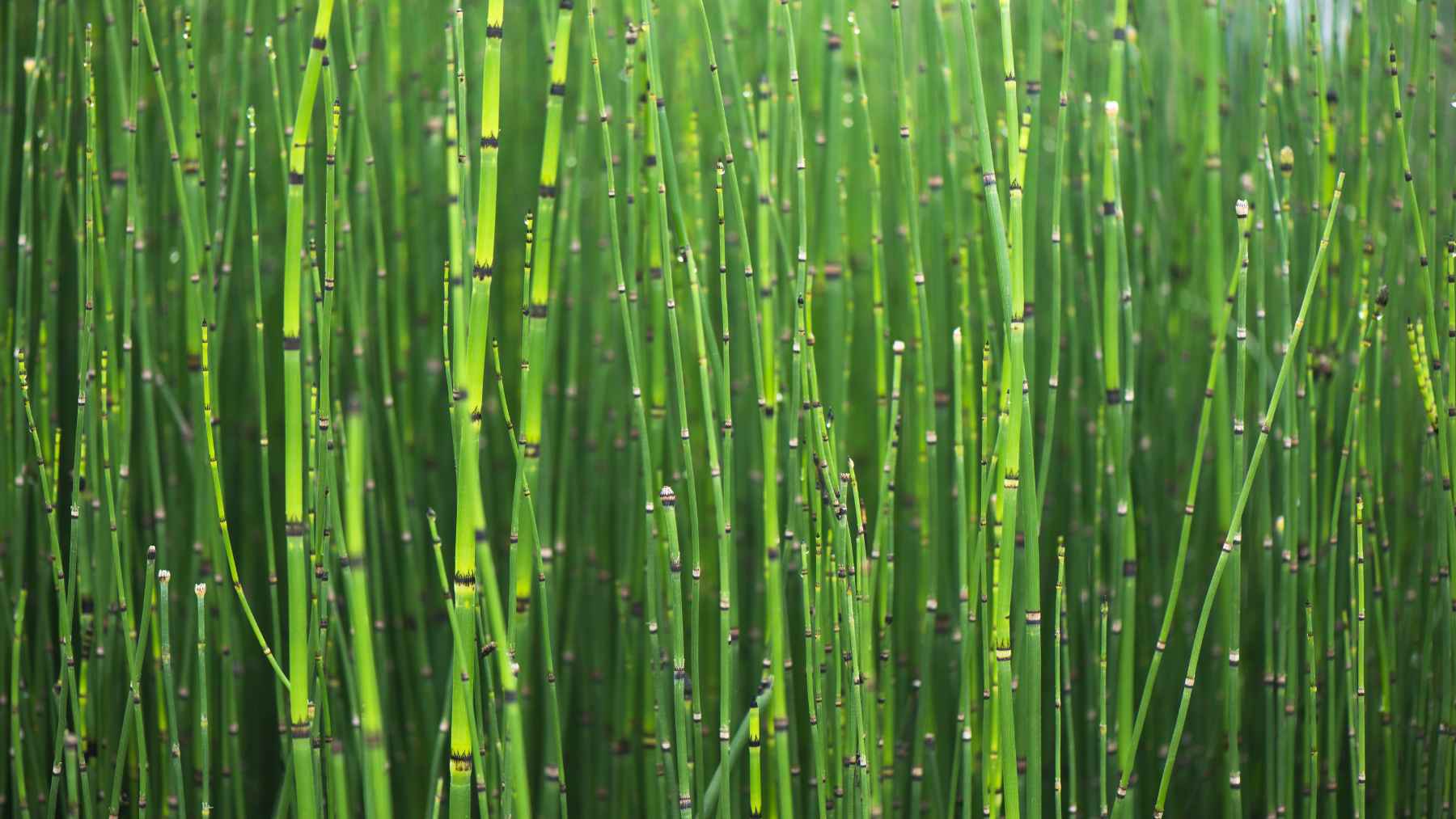
Sharp’s team collected smooth horsetails along the Rio Grande in New Mexico and measured how oxygen isotope values changed from the bottom of the plant to the top. On the outside, it may look like a modest riverside plant. Inside, something much stranger was happening.
Water gets stranger as it climbs
Oxygen isotopes are atoms of oxygen with different weights, and scientists use them as fingerprints for water. When water evaporates, the lighter molecules tend to leave first, while the heavier ones are left behind in the remaining liquid.
That is what the team saw happening inside the horsetail stem. The water started in a normal range at the base, then became progressively more enriched in heavier oxygen as it moved upward and moisture escaped through the stem wall. By the tip, the values were unlike anything previously recorded in Earth-based material.
The data were striking. The study reports δ18O values ranging from about -8.3‰ at the base to 82.6‰ at the tip, while Δ′17O values ranged from 0 to -1,797 per meg. For isotope scientists, those numbers are not just odd. They expand the known terrestrial range for this kind of oxygen fractionation by fivefold.
A meteorite-like clue
“If I found this sample, I would say this is from a meteorite,” said Zachary Sharp, a professor in Earth and Planetary Sciences at the University of New Mexico. That line is dramatic, but the point is careful. Without context, the water’s isotope signature could look like something from beyond Earth.
Sharp also described the horsetail stem as an “engineering marvel,” and it is easy to see why. The plant’s structure lets water rise while tiny losses to the air keep changing its chemistry, segment by segment. Not bad for something most people would walk past without stopping.
Why deserts matter
The discovery helps explain why oxygen isotope data from desert plants and animals have sometimes puzzled scientists. Dry air, heat, and wind can intensify evaporation, much like that dry summer blast that makes a puddle vanish before lunch.
In practical terms, that means climate signals in plants may not always reflect the original water source. They may also carry the strong mark of evaporation. The researchers used the horsetail measurements to refine a key evaporation model, which could help scientists avoid blaming biology for patterns that were mostly created by physics.
Fossils may need a second look
Horsetails also produce tiny silica structures known as phytoliths. These glassy bodies can survive long after the plant dies, which makes them useful to researchers trying to reconstruct ancient climates.
There is a catch. The study found that the oxygen signal in phytolith silica did not always match the water moving through the stem, meaning fossil phytoliths could sometimes give misleading humidity readings if scientists average the whole stem or lack enough context. That does not make the fossil record useless. It makes it more complicated.
Fossil horsetails once grew up to about 98 ft. tall, and their preserved silica may hold clues from climates millions of years old. Sharp said scientists can begin reconstructing humidity and climate conditions from environments dating back to the age of dinosaurs, but the new warning matters. A climate clue is only useful if researchers understand how it was written.
A classroom in the field
The work also had a hands-on training side. According to a research briefing from the University of New Mexico, 14 students helped collect stems and measure oxygen fingerprints, connecting field sampling with lab analysis in a very direct way.
That matters because climate science is not built only in clean rooms and computer models. Sometimes it starts with a plant stem, a dry breeze, and a question simple enough to sound almost childish. What happens to water on its way up?
What scientists learn next
The next step is to test whether similar isotope patterns appear in other plants and environments, especially in dry places where evaporation pushes water chemistry to extremes. Researchers will also need to keep refining how phytoliths are used as ancient humidity gauges.
For now, the humble horsetail has done something remarkable. It has shown that Earth’s own plants can create water signatures that look almost extraterrestrial, while also giving scientists a sharper tool for reading the planet’s past.
The study was published in Proceedings of the National Academy of Sciences.