For more than 31,000 years, the charcoal animals of Coliboaia Cave stayed hidden in a dark Romanian chamber, far from ordinary eyes. Now, images of those Paleolithic drawings can be seen by the public at Cabana Vadu Crișului, through an exhibition organized by the Țării Crișurilor Museum Complex in Oradea with Aven d’Orgnac Grand Site de France.
The exhibition does not turn the fragile cave itself into a tourist stop. Instead, it brings the discovery into view while keeping the original underground site protected, a balance that matters when ancient art, cave ecosystems, and public curiosity all meet in the same story.
A rare public window
The exhibition is called “Gallery of Paleolithic Drawings from Coliboaia Cave, Bihor, Romania, 31,640 BP.” That date uses the archaeological term “before present,” where “present” means 1950, the standard reference point in radiocarbon dating.
In plain language, these drawings are among the deep memory of Europe. They were not made for museum walls, postcards, or school trips, yet here they are, reaching people who may never squeeze through a cave passage or study prehistoric art.
What the drawings show
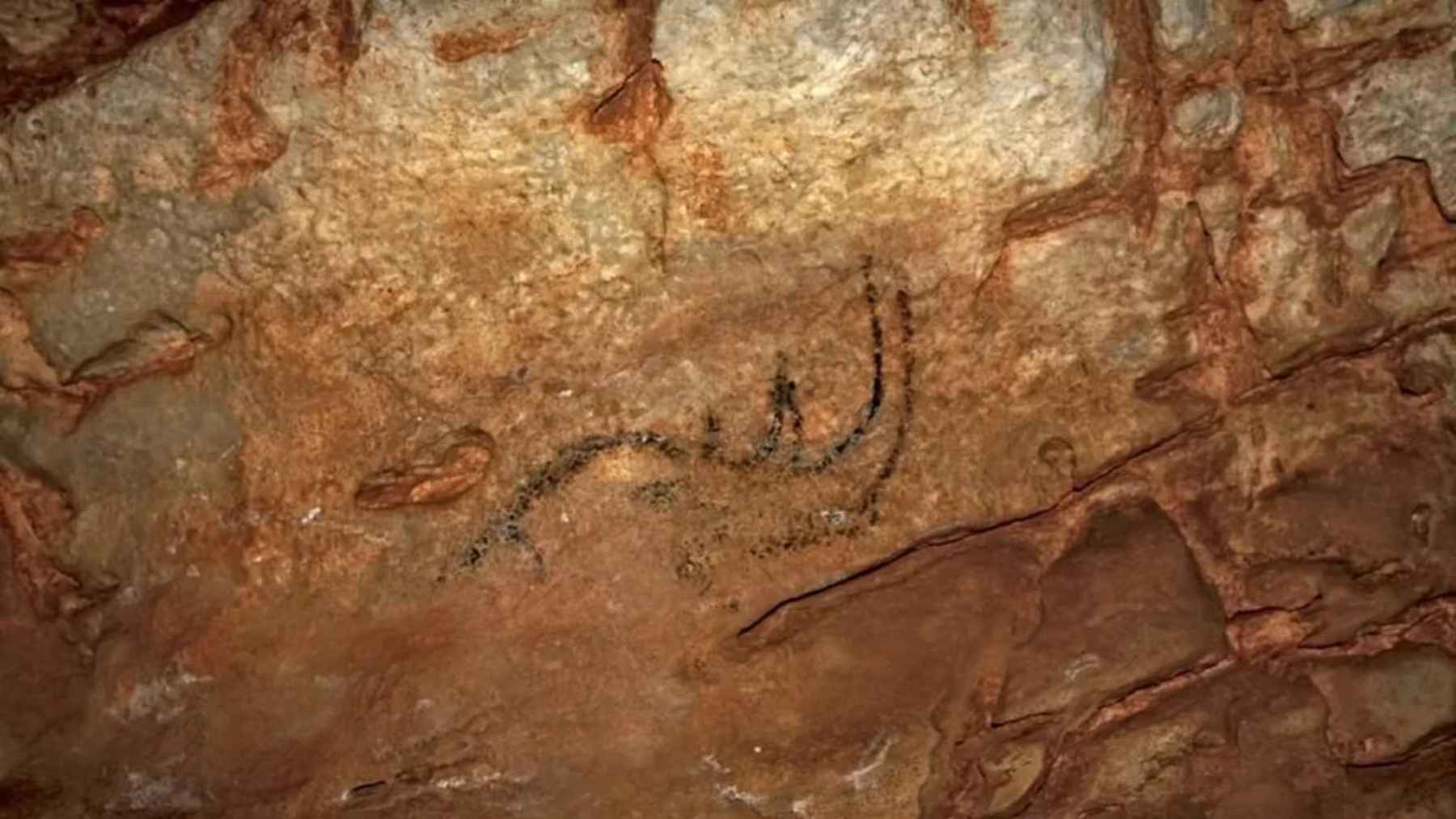
The images were made with charcoal on both walls of the chamber. According to the museum, they show a bison, a horse, two rhinoceros heads, one or possibly two bear heads, and one animal that has not been firmly identified, perhaps a horse or a feline.
That small group of figures says a lot. These were not random marks in stone, but careful images of powerful Ice Age animals, the kind that shaped both daily survival and imagination for early human communities.
Why Coliboaia matters
The Țării Crișurilor Museum describes the find as “the most spectacular Paleolithic discovery in Bihor.” It also identifies the drawings as the oldest known Paleolithic representations in Central Europe, based on radiometric analyses that dated them to 31,640 BP.
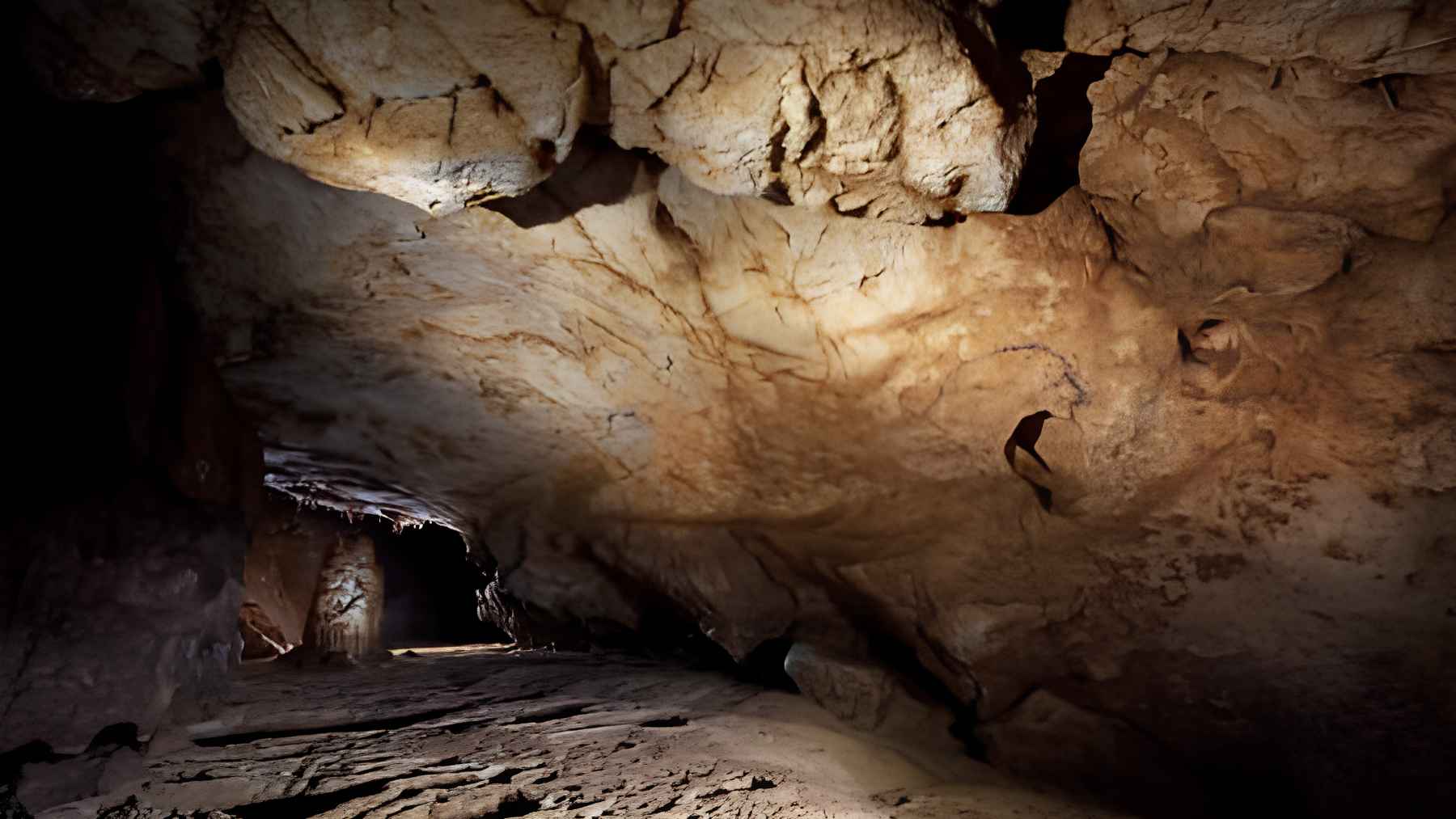
What makes the story even more striking is the setting. Coliboaia Cave is located in Pietroasa commune, in the Sighiștel Valley, a little more than 3 miles east of Sighiștel village. It is not only an archaeological site, but also part of a rugged karst landscape shaped by water, rock, darkness, and time.
A cave shaped by nature
UNESCO’s tentative list description places Coliboaia Cave in Romania’s Bihor Mountains, on the western slope of the Sighiștel Valley. The valley runs about 4.3 miles, and the cave itself has a mapped length of roughly 3,500 feet, with galleries crossed by an active stream.
That matters because cave art is never just art on a wall. It is also tied to geology, humidity, access, flooding, and the silent work of natural processes, the same forces that can preserve a drawing for millennia or damage it forever.
The UNESCO step
Romania has now placed Coliboaia Cave on its tentative list for UNESCO World Heritage status. That does not mean it is already a World Heritage Site, but it is the first official step toward possible international recognition as a place of outstanding universal value.
The UNESCO listing says Romania submitted the cave on April 15, 2026, under cultural criteria. The Ministry of Culture, the National Institute of Heritage, and the Țării Crișurilor Museum submitted it, which gives the site a more formal path into the global heritage conversation.
Discovery in a sealed world
Coliboaia Cave was first documented in 1863, but the story of its deeper archaeological value came much later. UNESCO notes that surveys in the 1970s and 1980s pushed beyond siphons and difficult passages, eventually revealing Paleolithic evidence such as bear claw marks, bones, and other remains.
The “Drawings Gallery” is especially important because it remained in a closed archaeological context for more than 30,000 years. This means the figures and remains were preserved in place, with no clear sign of later disturbance.
Seeing without touching
Why not simply open the cave to everyone? The answer is easy to understand if you have ever seen condensation fog up a window or footprints mark wet ground.
Caves are sensitive places. Heat, breath, lights, and crowds can change underground conditions, and in a site this old, even small changes may matter. That is why an exhibition of images can be more than a cultural event. It can also be a conservation tool.
A French Romanian project
The exhibition is the result of a Romanian-French scientific collaboration that began in 2011. The museum says the project involved partners including the French Embassy in Romania, the France-Romania Speleology Association, the Bihor County Council, the Romanian Speleology Federation, Apuseni Natural Park, and the Friends of the Țării Crișurilor Museum Association.
Curator Călin Ghemiș, an archaeologist and museum specialist with the Archaeology and Restoration Service of the Țării Crișurilor Museum in Oradea, is leading the exhibition. That local expertise matters because Coliboaia is not only a European story, but also a Bihor story.
Visiting the exhibition
The exhibition can be visited at Cabana Vadu Crișului from Tuesday through Sunday, from 9 a.m. until half past 4 in the afternoon. Access is included with the admission ticket to Vadu Crișului Cave, and the exhibition is expected to remain open for six months.
For visitors, the appeal is simple. You get a glimpse of animals drawn by human hands tens of thousands of years ago, without putting the original chamber under pressure. That is a rare deal between curiosity and care.
Ancient art, modern responsibility
Coliboaia’s drawings remind us that people were watching, remembering, and interpreting the natural world long before written history began. A bison on a cave wall is not just an animal image, it is evidence of attention, fear, skill, and maybe belief.
At the end of the day, the exhibition asks a quiet question. How do we bring the oldest human stories into the present without damaging the places that kept them safe?
The official statement was published on Muzeul Țării Crișurilor’s website.