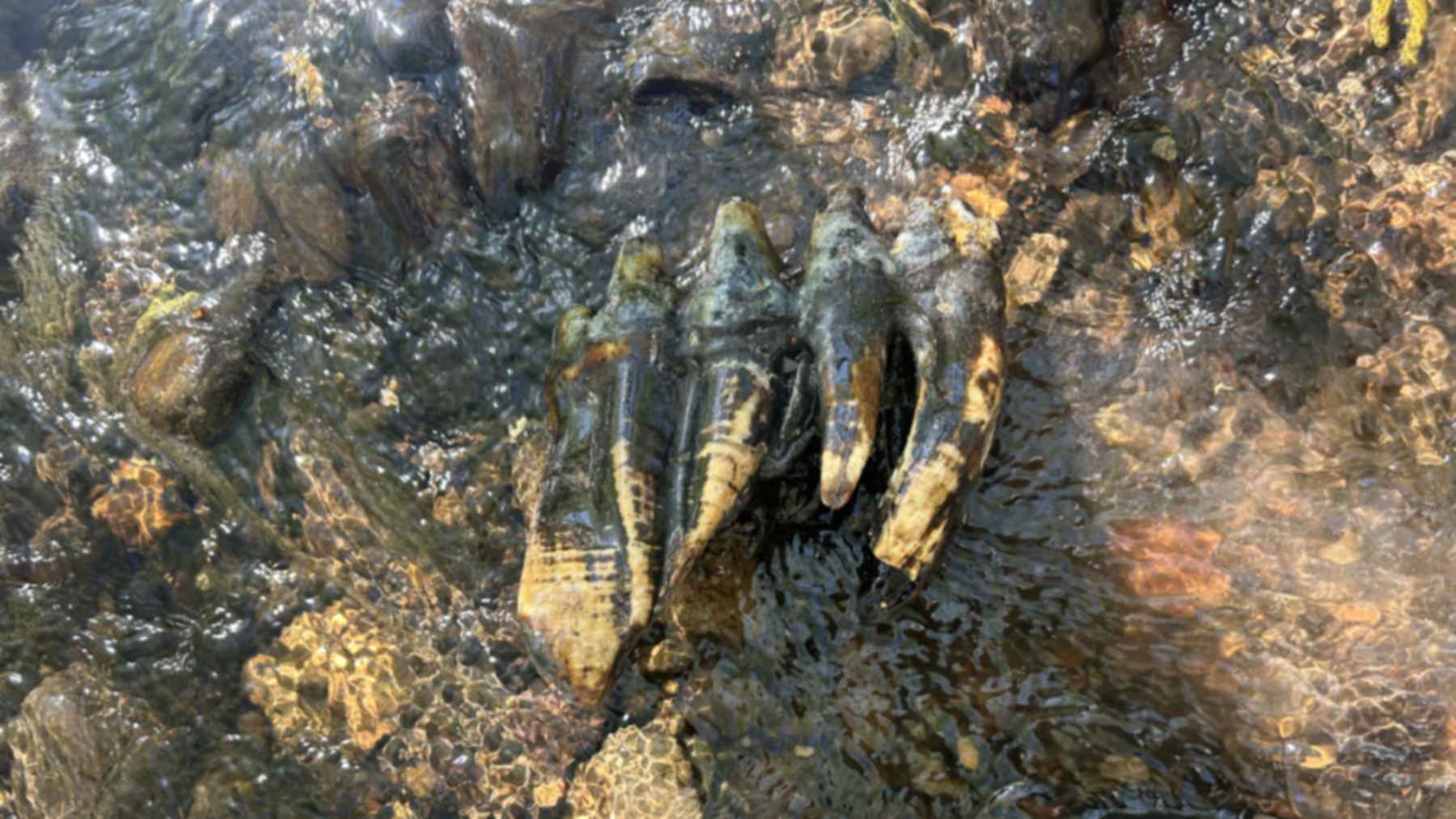
It started with a child looking closely at the ground. Hugo Deans was 8 years old when he noticed BB-sized objects near an ant nest under a fallen log in his backyard, and he first guessed they were seeds. They were not seeds at all.
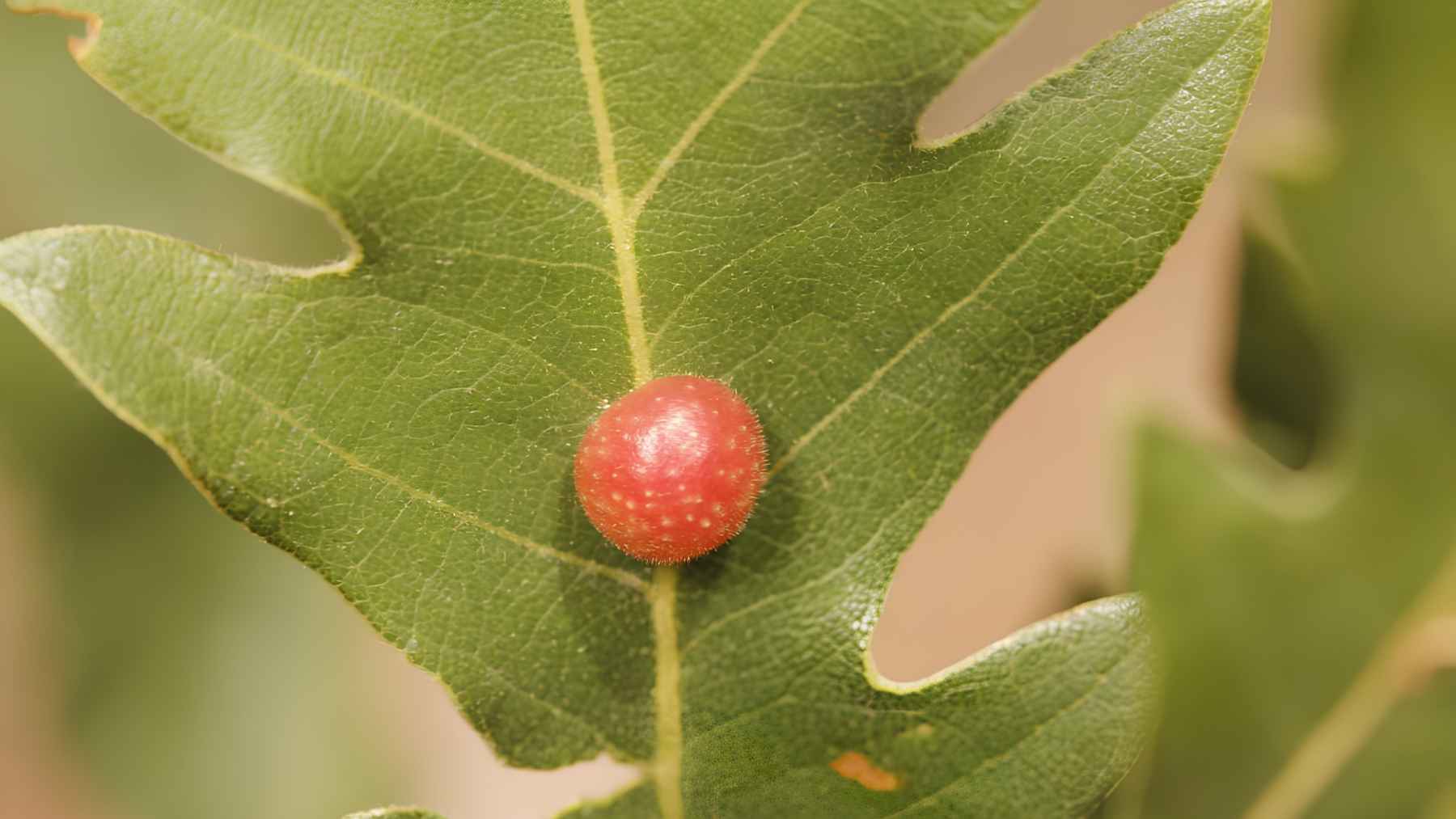
They were oak galls, tiny plant chambers made when certain wasps push oak trees into growing protective homes around their larvae.
That small backyard moment opened the door to a much bigger story. Researchers from Penn State and SUNY Buffalo State found that some ants carry these oak galls much like they carry certain seeds, revealing a previously unknown insect-plant-insect interaction that may force scientists to rethink a classic biology lesson.
A backyard clue under a log
Oak galls are easy to miss. In late summer and fall, they can dot oak leaves like tiny beads, each one holding a developing wasp larva inside a plant-built shelter.
Andrew Deans, Hugo’s father and a professor of entomology at Penn State, recognized the objects right away as galls. What surprised him was where they were found, clustered near ants, and why ants would bother with them at all. Hugo’s own question was simple and perfect. “Why would they do that?”
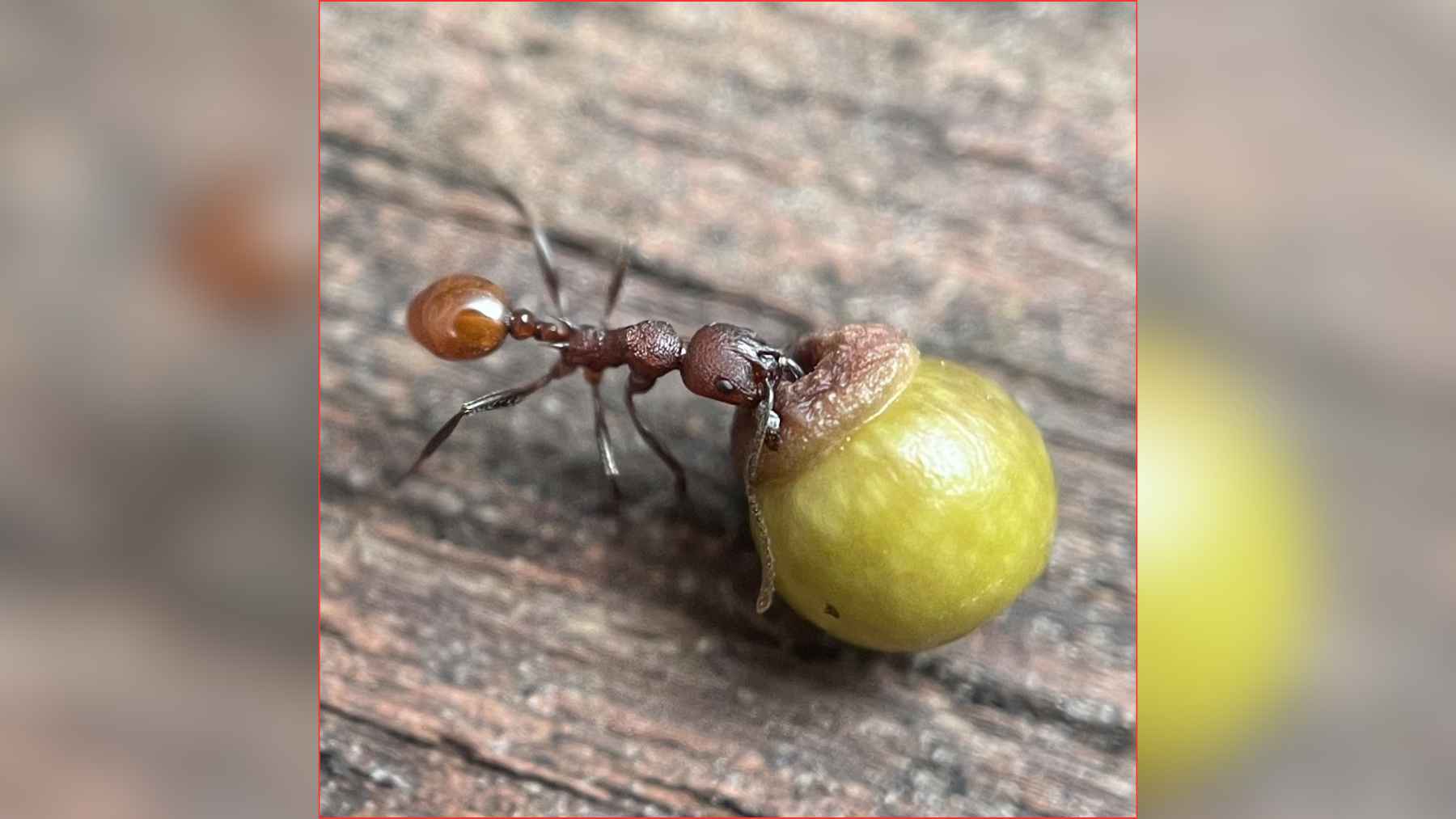
That is where the mystery sharpened. The galls were not just lying around by chance. Ants were picking them up, carrying them into nests, eating a small outer cap, and leaving the inner chamber with the wasp larva intact.
Why ants carry seeds
To understand why that matters, you need one biology word that sounds more complicated than it is. Myrmecochory means seed dispersal by ants, and it has been taught for more than a century as a tidy example of cooperation between plants and insects.
Some plants, including bloodroot, make seeds with a fatty food attachment called an elaiosome. Ants haul the seed home, eat the treat, and leave the seed in a safer place where it may later grow.
Effectively, it is a trade. The plant gets a ride away from danger, and the ants get calories for the colony. Simple enough, right? The oak gall discovery suggests nature may have been running a similar trick with wasps, oaks, and ants all along.
The cap that fooled the ants
The researchers focused on galls made by two cynipid wasps, Kokkocynips rileyi and Kokkocynips decidua. These galls form on red oak leaves and carry a pale, fleshy cap that the scientists named “kapéllo,” from the Greek word for “cap.”
That cap appears to be the key. In nests, ants removed the edible caps but left the gall bodies intact, which means the wasp larva inside may remain protected while the ants get their reward.
It is a clever bit of natural packaging. From an ant’s point of view, a gall with a kapéllo may smell and feel enough like a seed with an elaiosome to trigger the same carrying behavior.
What the experiments revealed
The team tested the idea in both forests and laboratories. In field experiments, ants removed oak galls and bloodroot seeds at similar rates, suggesting the galls were about as attractive as a familiar ant-dispersed seed.
Then came the cleaner test. Researchers offered ants whole galls, galls with the kapéllo removed, kapéllos alone, and unrelated galls without that edible cap. The ants paid much more attention when the kapéllo was present.
John Tooker, a Penn State professor of entomology, said the caps were “far more attractive to ants” than galls without them. Chemical tests also showed that kapéllos contain fatty acids similar to those found in elaiosomes, helping explain why ants respond to them as food signals.
Why the wasp may benefit
At first glance, this looks like seed dispersal, but wasps are not plants, and adult wasps can fly, so distance may not be the main prize here.
Protection may matter more. An ant nest is underground, guarded, and chemically active, which can make it a safer place than the exposed forest floor. Down there, a gall may be less likely to be eaten by birds, rodents, or parasitic wasps.
That does not mean every detail is settled. Yet the evidence points to a strong possibility that gall wasps manipulate oak trees into making the gall, then indirectly nudge ants into carrying that gall to a safer place.
A forest network hiding in plain sight
This discovery also adds texture to the way we think about forests. A leaf gall is not just a bump on a leaf, and an ant carrying one is not just scavenging random debris.
Tiny choices like these can shift nutrients, microbes, predators, and young insects across the forest floor. The changes are small, but forests are built from small things happening millions of times over.
Oak galls can also be extremely abundant in eastern North American deciduous forests. If ants regularly move them underground, then a hidden transport network may be operating right under our shoes during an ordinary walk through the woods.
Curiosity still matters
There is something wonderfully human about the beginning of this story. A child saw something odd, asked a question, and scientists followed the clue.
That does not mean one backyard observation solves every mystery about ants, wasps, and oaks. It does show how much remains hidden in familiar places, even under a log beside the house.
At the end of the day, this is not just a story about insects. It is a reminder that nature often works through quiet partnerships, chemical signals, and tiny rewards that we only notice when someone stops long enough to look.
The study was published in The American Naturalist.