Pennsylvania is tightening animal movement rules after confirmed New World screwworm cases in Texas and New Mexico raised concern across the livestock world. State officials say there are no confirmed cases in Pennsylvania, but Agriculture Secretary Russell Redding warned that “this destructive pest poses a serious threat” to farms, pets, wildlife, and the agricultural economy.
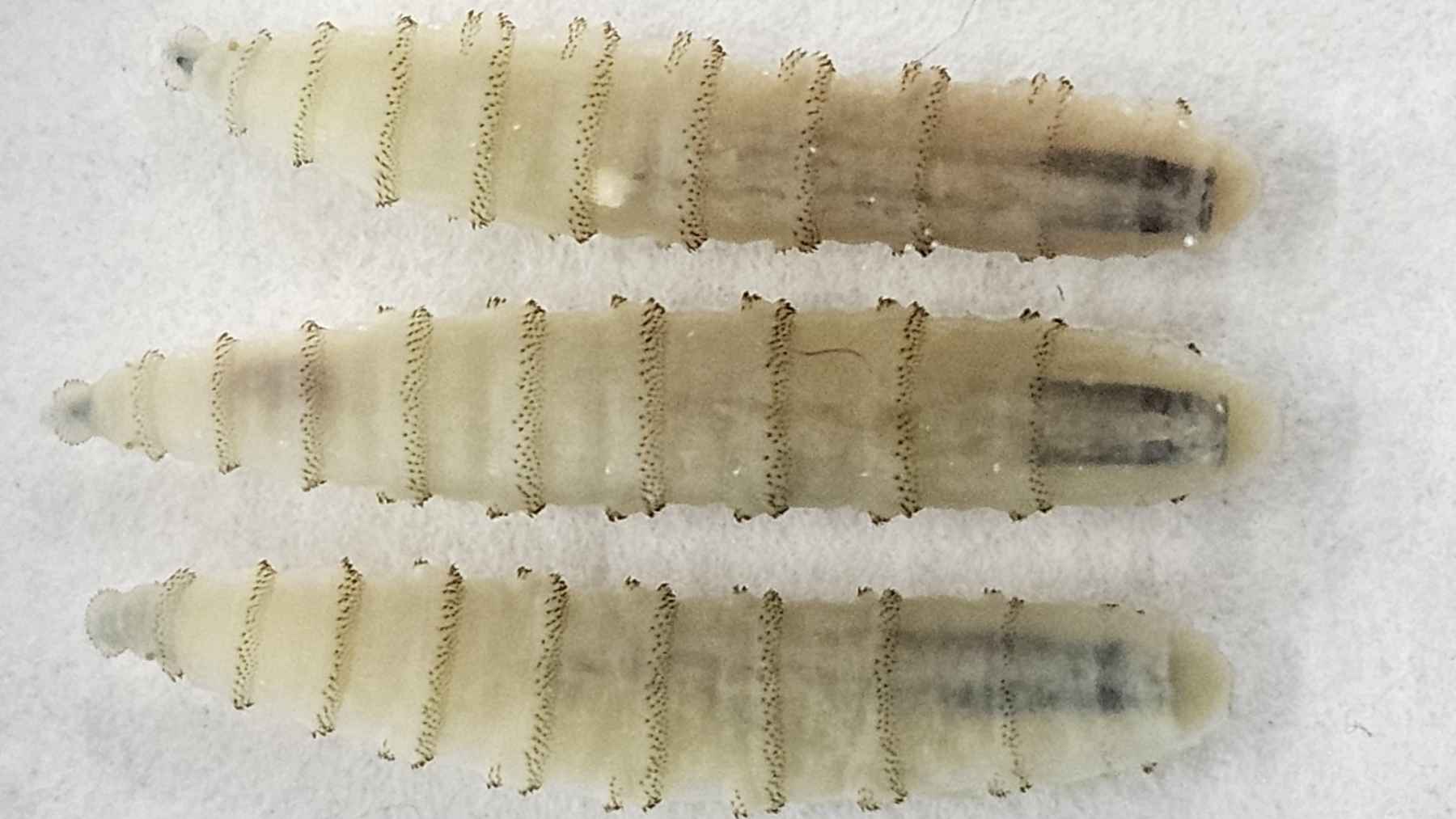
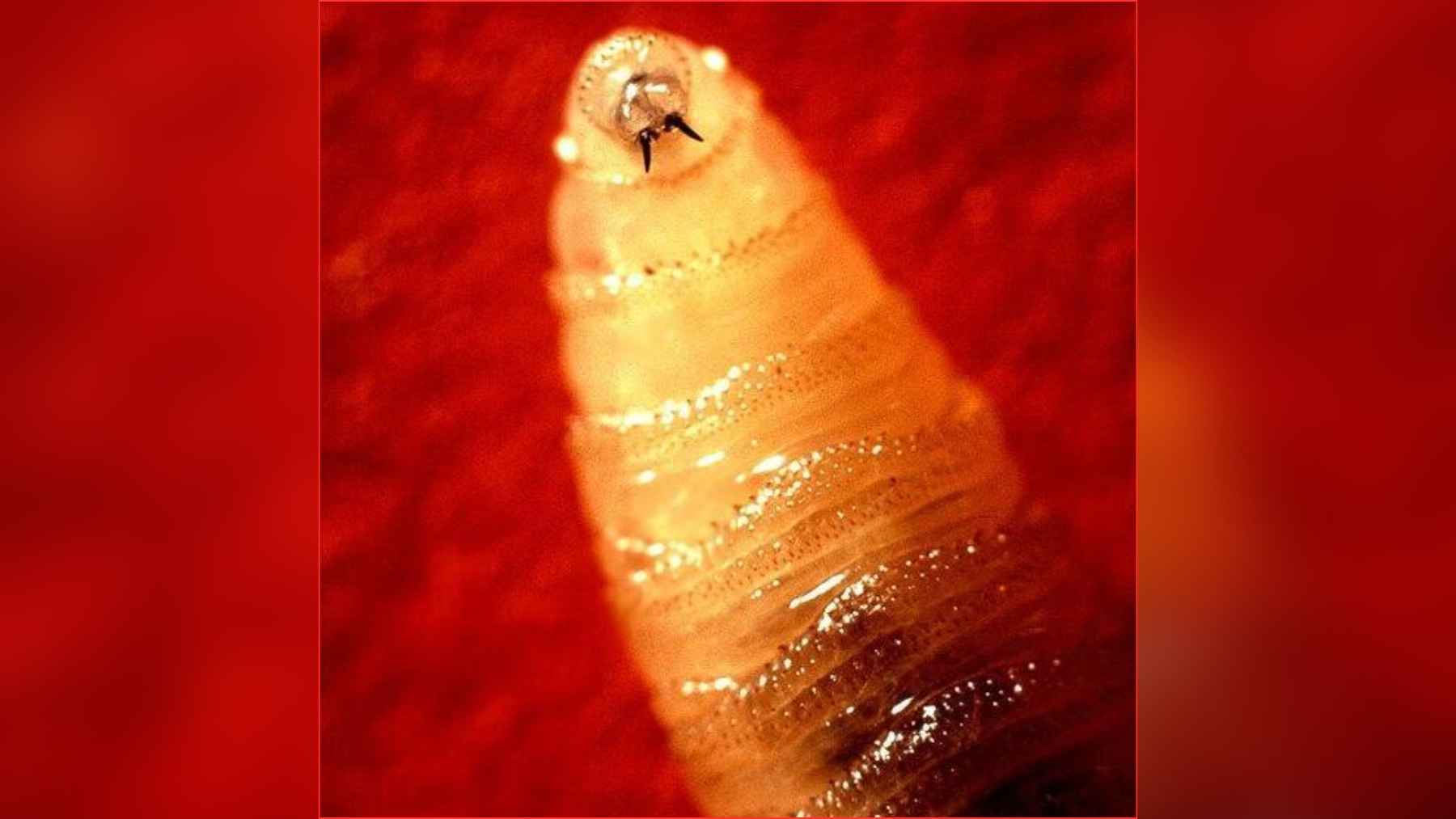
The move is meant to keep a dangerous parasite from turning a distant outbreak into a local barn problem. New World screwworm larvae do not behave like ordinary maggots. They burrow into the living tissue of animals, making small wounds far more dangerous than they may look at first glance.
What the order does
The quarantine order took effect on June 9 and limits the movement of susceptible domestic animals into or through Pennsylvania from places where New World screwworm exists or is reported. The order applies broadly to warm-blooded domestic animals, including livestock, birds, dogs, cats, and other companion animals.
Animals coming from an infested county or a zone around a detection must be examined by an accredited veterinarian and found free of New World screwworm before entering the state. This means more paperwork, more inspections, and fewer unnecessary animal trips from affected areas.
The order also creates special rules for dogs and cats from quarantine areas. Animals from those places may need a Pennsylvania import permit, a veterinary health certificate issued within seven days, and preventive treatment before entry or transit.
Why farmers are worried
New World screwworm is a parasitic fly, but the real damage comes from its larvae. State Veterinarian Dr. Alex Hamberg said the larvae “feed on living tissue,” causing wounds that can become life threatening if they are not treated quickly.
That is why the quarantine matters far beyond one farm or one shipment. Pennsylvania agriculture contributes about $132 billion a year and supports nearly 600,000 jobs, while federal data lists 48,400 farm operations and about 1.4 million cattle in the state.
The parasite can infest livestock, pets, wildlife, birds on occasion, and people in rare cases. The Centers for Disease Control and Prevention says no locally acquired human infestations have been reported in the United States during the current outbreak, and the risk to people remains low where the flies are not circulating.
The outbreak behind the alert
The U.S. Department of Agriculture’s Animal and Plant Health Inspection Service confirmed the first U.S. animal case in the current outbreak on June 3 in a calf in Zavala County, Texas. Federal officials said the larvae were found in the calf’s umbilical area, and response teams moved to contain the pest with quarantine controls, surveillance, and sterile fly releases.
Pennsylvania officials said additional cases had been reported in Texas and one case in Lea County, New Mexico, by June 10. That is still far from Pennsylvania, but livestock and pets move across state lines every day for sales, shows, breeding, rescue work, and relocation.
There is a bigger backdrop, too. Health officials say an outbreak that began in Panama and Costa Rica in 2023 has moved north through Central America and Mexico, mostly affecting livestock, pets, and wildlife, with some human cases also reported outside the United States.
What owners should check
The warning signs can be easy to miss at first. Federal and state officials tell animal owners to look for irritated behavior, head shaking, the smell of decay, and maggots in wounds.
Small wounds deserve attention. The parasite often enters through open cuts, newborn navels, tagging sites, castration wounds, dehorning sites, or other breaks in the skin. A quick look in the barn aisle after morning feeding could make the difference between a treated wound and a spreading infestation.
Anyone who suspects New World screwworm should call a veterinarian right away and report the suspected case to Pennsylvania’s Bureau of Animal Health and Diagnostic Services at 717-772-2852. Waiting it out is the risky option.
How the U.S. tries to stop it
The main tool against New World screwworm is called the sterile insect technique. In simple terms, officials release sterile male flies into an affected area so they mate with wild females, which then lay eggs that do not hatch.
That method has history behind it. Federal officials say New World screwworm was eradicated from the United States in 1966, and they also used the approach during a smaller Florida Keys outbreak in 2017.
The current response also reaches beyond U.S. borders. Federal officials say they continue to disperse 100 million sterile insects per week in Mexico and along the U.S.-Mexico border, adjusting release areas as new detections are reviewed.
What happens next
For most Pennsylvanians, the quarantine will not change daily life. For farmers, veterinarians, haulers, shelters, breeders, and pet transport groups, though, it adds one more checkpoint before an animal can cross into the state from an affected area.
The good news is that officials are acting before any Pennsylvania case has been confirmed. The harder part is staying alert without panic, especially during summer travel, livestock events, and pet adoptions, when animals can move long distances before anyone notices a small wound.
Federal officials also stress that the U.S. food supply remains safe because screwworms do not infest meat, fruits, vegetables, or other food sources. That should calm dinner table worries, even as animal health officials keep their focus on barns, trailers, kennels, and pastures.
The official quarantine announcement has been published on the Pennsylvania Department of Agriculture’s website.