Seals and sea lions eat salmon, so removing them should help salmon recover. A new study says indirect effects across the ocean food web can undo that gain.
Modeling suggests widespread culling of seals, sea lions and seabirds at sea is unlikely to improve salmon abundance, NOAA Fisheries said on November 19. Other predators and competitors in the ocean are likely to offset any reduction in predation, the research found.
Modeling the whole food web
The research, published in the journal Science on November 19, comes from scientists at NOAA Fisheries and Oregon State University. It grew out of efforts to understand salmon survival in a changing ocean and the effects of predation, competition and management.
The team used an ecosystem model of the Northern California Current, the marine food web off the West Coast. Earlier research mostly looked at the direct impact of predators on salmon, the agency says.
The new model goes a step further than that earlier work. It follows indirect effects across the food web, such as how other species respond when one group shrinks.
“When we look at the ecosystem as a whole, we see that one change can lead to a set of cascading effects that may not always be predictable or obvious,” said lead author Dylan Gomes. Gomes led the work as a postdoctoral researcher. The role spanned NOAA’s Northwest Fisheries Science Center and Oregon State.
Fewer sea lions, same salmon
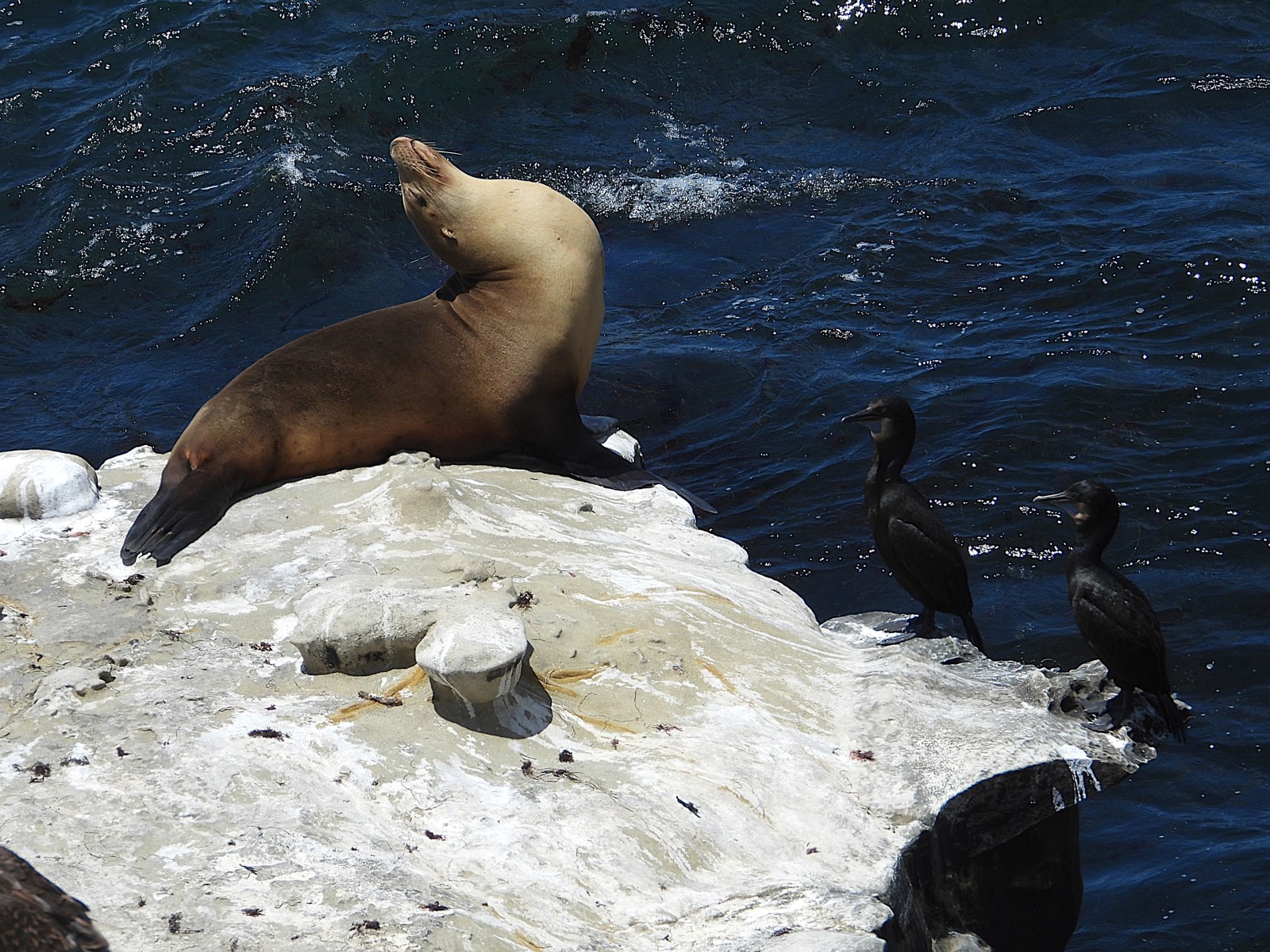
In the modeled scenarios, cutting the numbers of pinnipeds (seals and sea lions) and seabirds generally produced small and uncertain net changes in Chinook and coho salmon biomass.
The reason lies in what else those predators eat. Pinnipeds also feed on hake and jack mackerel, fish that compete with salmon or prey on them. Remove the sea lions, and more of those fish may survive.
One example in the model is hake. Their diet includes only small amounts of juvenile salmon. But hake biomass in the modeled area is about 370 times that of pinnipeds, so their total impact on salmon in the ocean is much greater.
Removing one species can hit others in unexpected ways in other ecosystems, too. In Italy, poison set out for foxes emptied a Sicilian mountain range of griffon vultures.
Hake mattered more than sea lions
In the model, reducing hake raised salmon biomass more than reducing pinnipeds did. That does not make a bigger hake fishery an easy fix, the agency notes.
Hake is already the largest fishery by volume on the West Coast. It also catches salmon directly as bycatch, which could reduce any benefit to salmon.
Overall, salmon biomass was more sensitive to changes in other predator and prey groups than to widespread pinniped reductions. Changes in fisheries at the fleet level did not substantially affect salmon either.
“Climate change will alter trophic interactions throughout the ecosystem,” said coauthor Lisa Crozier, a research scientist at the Northwest Fisheries Science Center. Crozier added that NOAA Fisheries and other agencies collect data across dozens of surveys. Ecosystem modeling is one way to integrate that information into a more realistic picture of the salmon migration.
Not a verdict on all culls
The ecosystem model was built to work at a regional scale. It does not assess site-specific impacts at migratory bottlenecks such as fish ladders, where the authors recognize salmon can face greater predation.
River structures can change fish movements quickly in other places, too. When a weir was removed from a stream in Bradford, England, fish were seen swimming upstream within an hour.
The authors do not rule out targeted removals at those sites under section 120 of the Marine Mammal Protection Act, and say such removals may have a role in salmon conservation. NOAA Fisheries says its policies have long focused on site-specific interventions where habituated animals have documented impacts on vulnerable salmon.
The agency also says it does not advocate the kind of widespread culling examined in the study. Earlier studies indicated such actions are most efficient when problem individuals are removed promptly. That is before other pinnipeds pick up the same opportunistic foraging habits.
Planning for a changing ocean
Coauthor Jim Ruzicka is an ocean ecologist at NOAA’s Pacific Islands Fisheries Science Center. Ruzicka hopes the techniques will help foresee and plan for the impacts of natural and human stressors on West Coast salmon and food web dynamics.
Removals can work in simpler settings, such as the long hunt for feral goats on Aldabra Atoll in the Seychelles. The new study looks at a far more complex system, the open-ocean food web.
For salmon, the model suggests other predator and prey groups, such as hake, can matter more than widespread reductions in seals and sea lions.
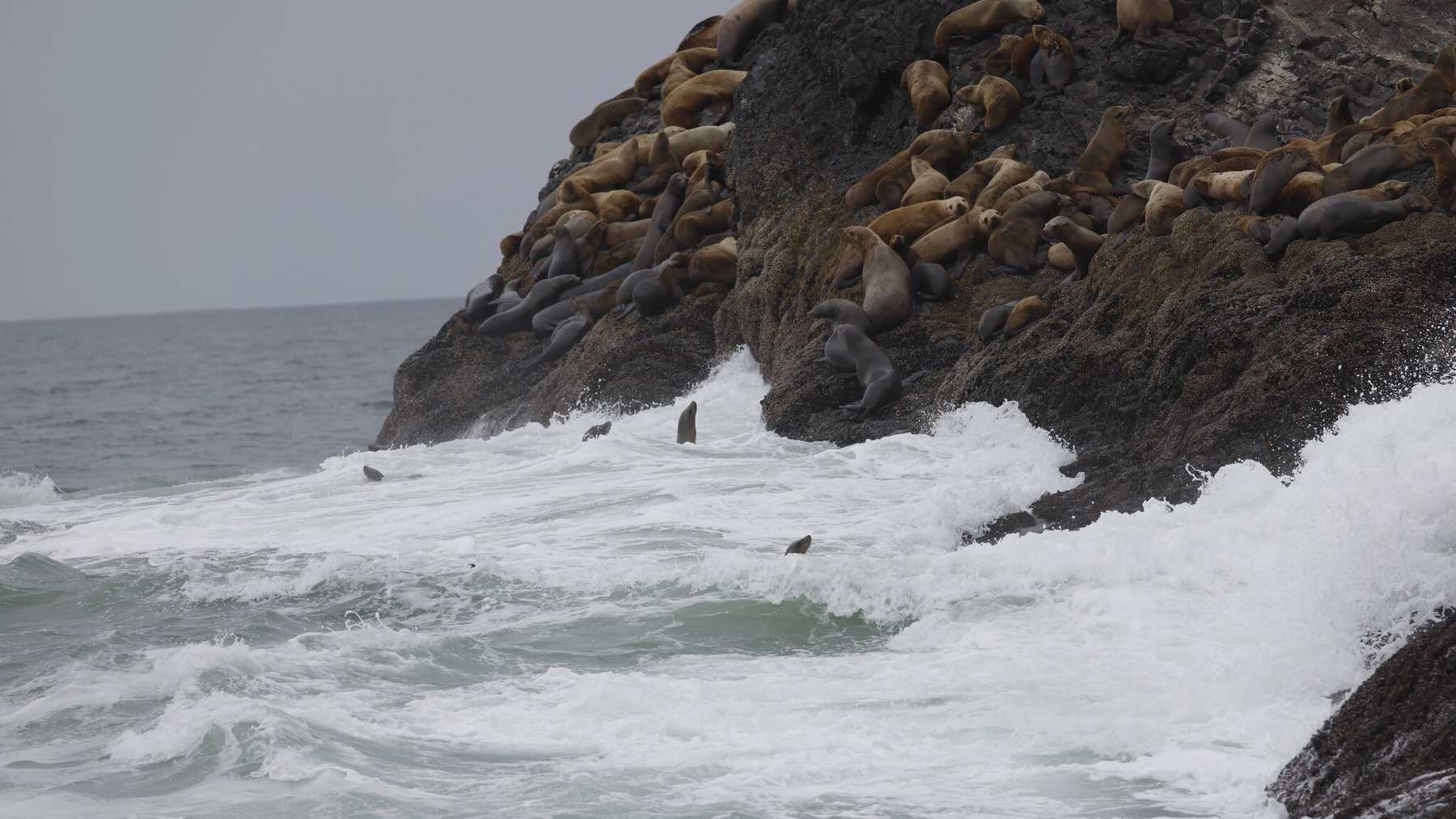
Photo: David Huff / NOAA Fisheries