A rhinoceros living in the High Arctic sounds like the kind of fact you misread on a screen at midnight. But paleontologists working with fossils from Devon Island in Nunavut have described a new species that once walked near the top of the world, and it is forcing scientists to rethink how animals moved between continents.
The main takeaway is not just that “there were rhinos up north.” It is that the North Atlantic may have stayed passable for land mammals much longer than many experts believed, with the Arctic acting less like a wall and more like a corridor when conditions lined up.
A rhinoceros found where you would never expect one
The animal comes from fossil-rich lake sediments in Haughton Crater on Devon Island, and it dates to the Early Miocene around 23 million years ago. In an October 28, 2025 study in Nature Ecology & Evolution, researchers describe the specimen as the most northerly rhino species known.
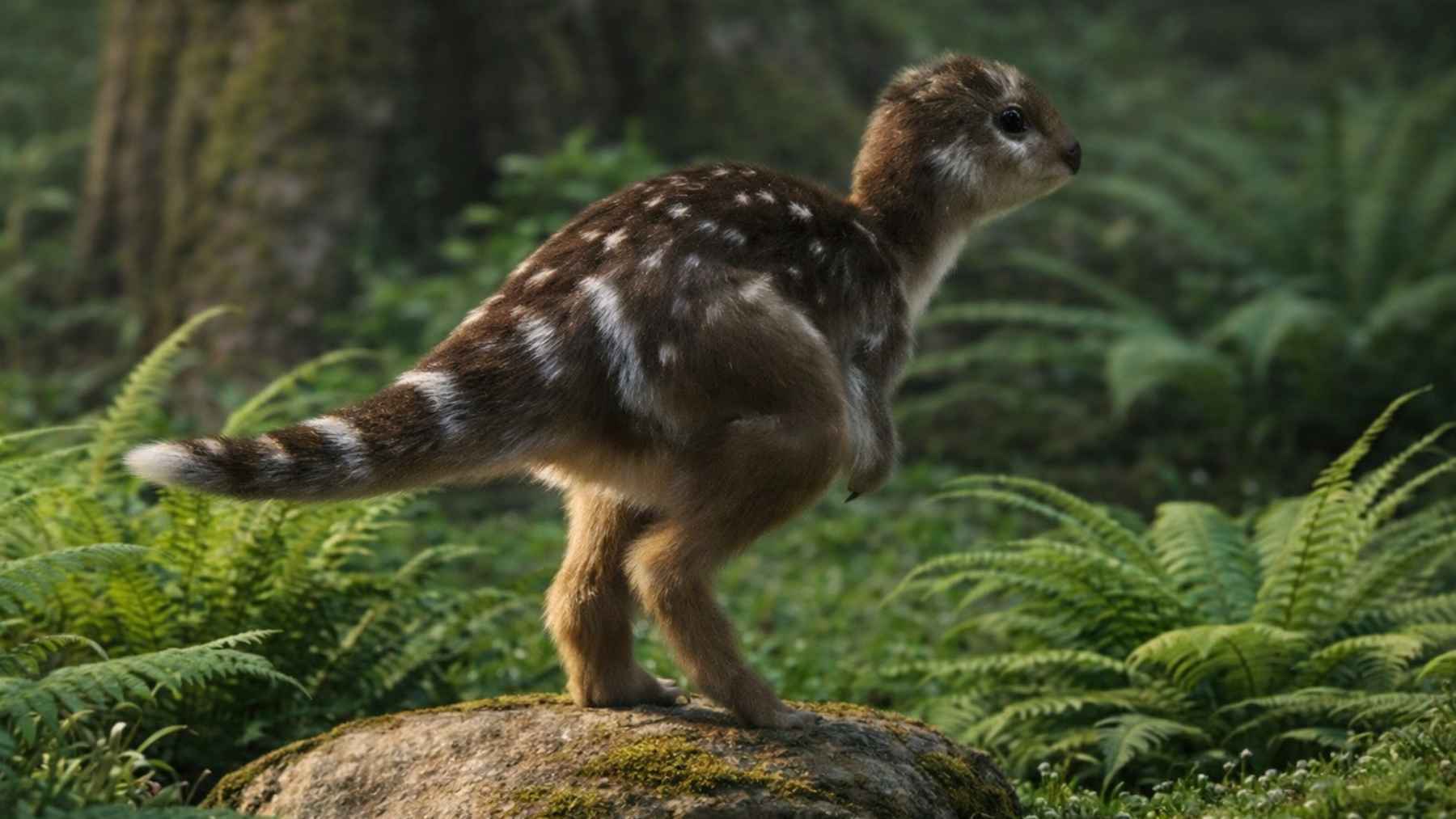
They named it Epiaceratherium itjilik, and the species name “itjilik” means “frosty” or “frost” in Inuktitut. The rhino was relatively small and slight, similar in size to a modern Indian rhinoceros but without a horn, and moderate tooth wear suggests it was in early to mid adulthood.
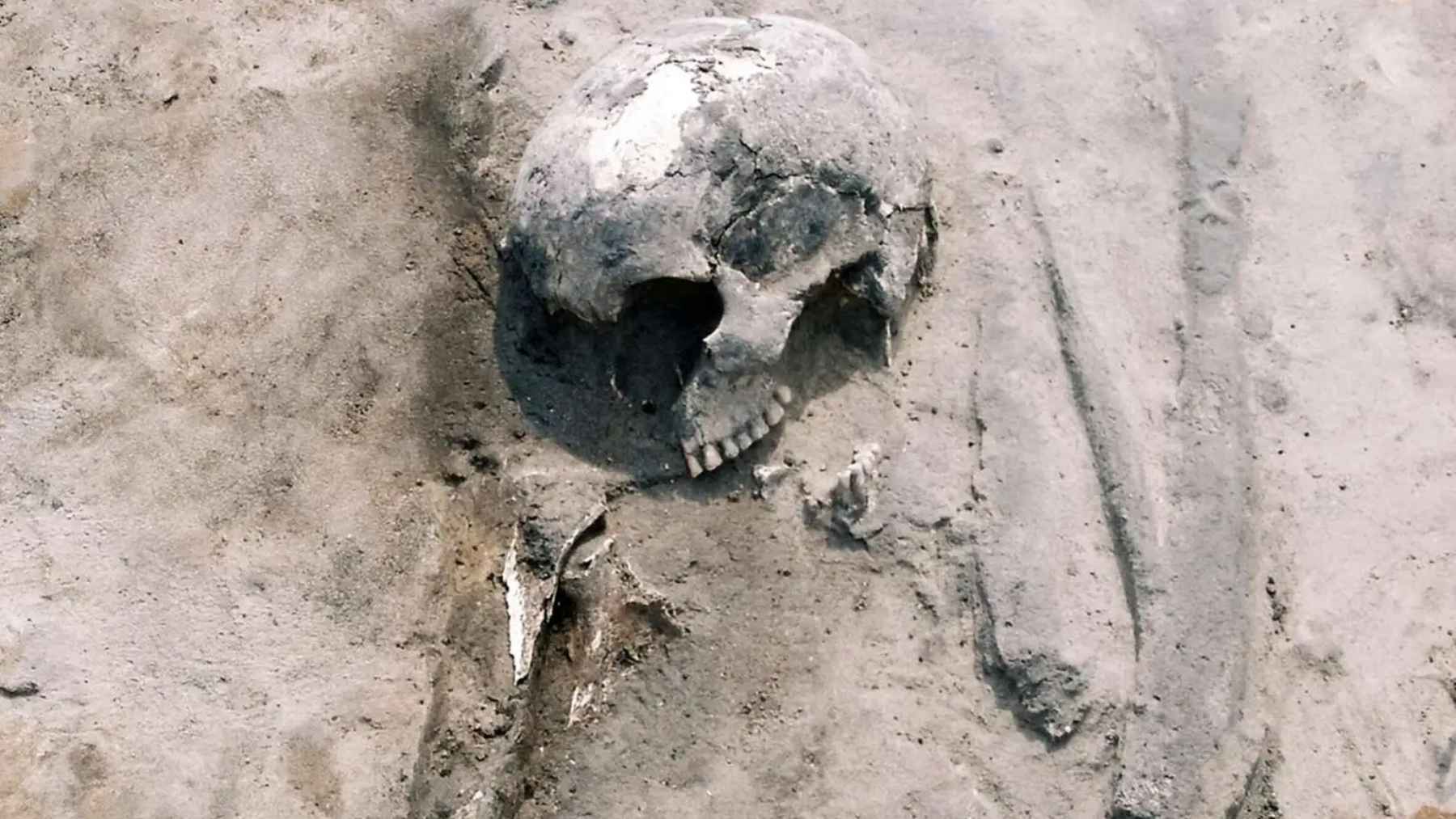
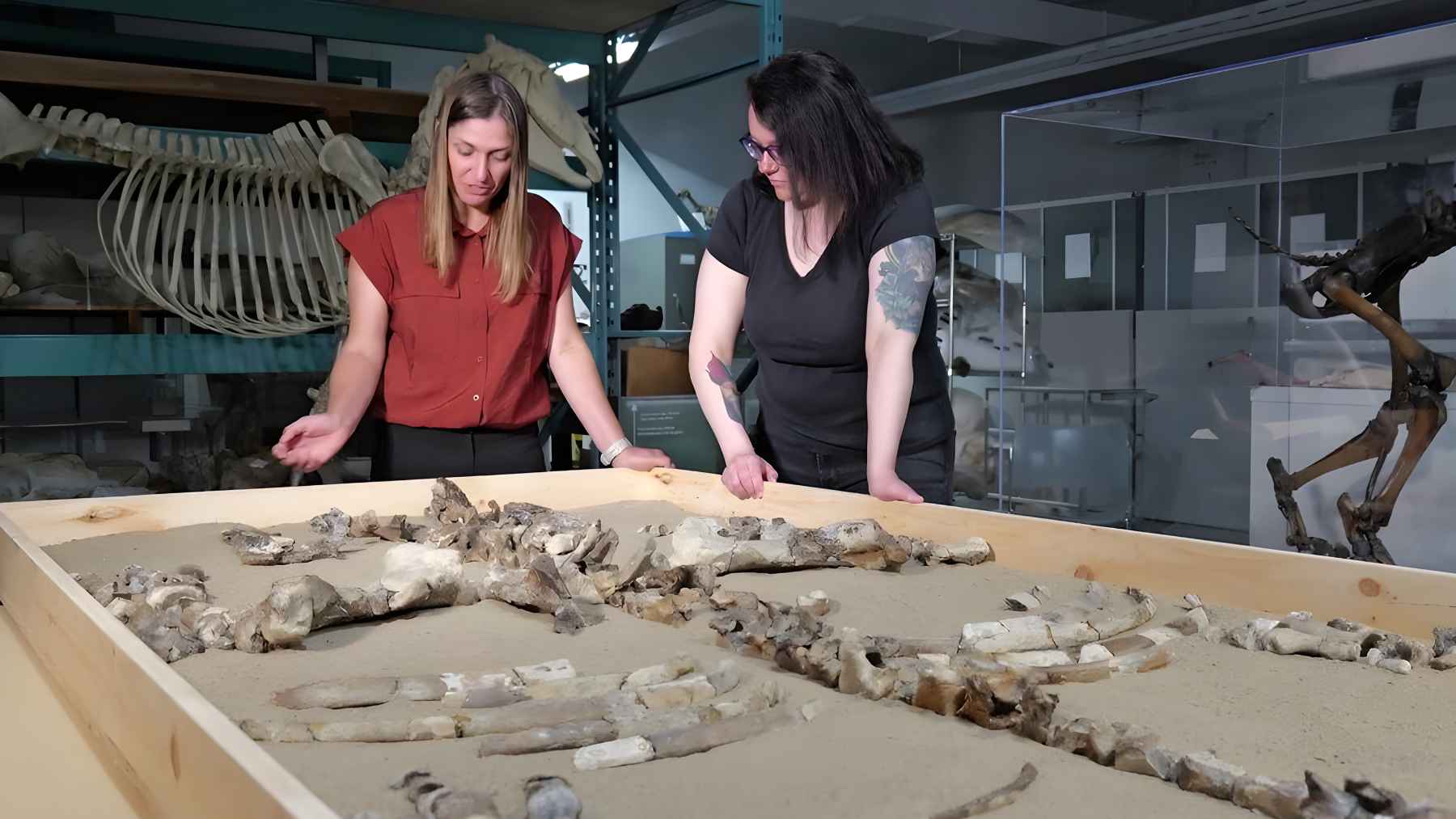
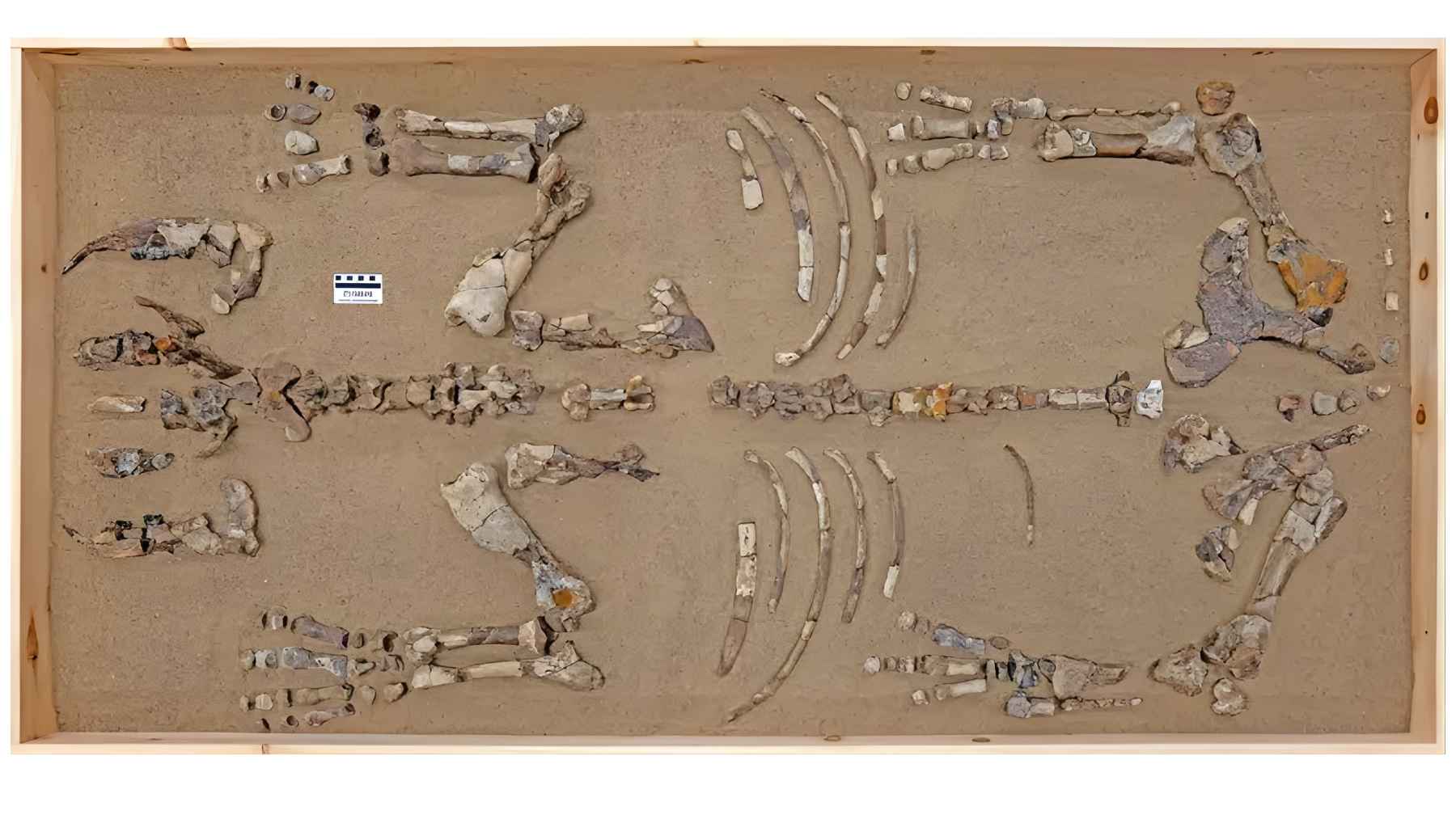
The fossil is also unusually complete. Co-author Marisa Gilbert said about 75% of the skeleton was recovered, with bones preserved in three dimensions and only partially replaced by minerals, which is a rare level of integrity for a mammal fossil.
Much of the material was collected in 1986 by Arctic paleontologist Mary R. Dawson, showing how older fieldwork can still change the story when new analyses arrive.
The North Atlantic Land Bridge gets a second look
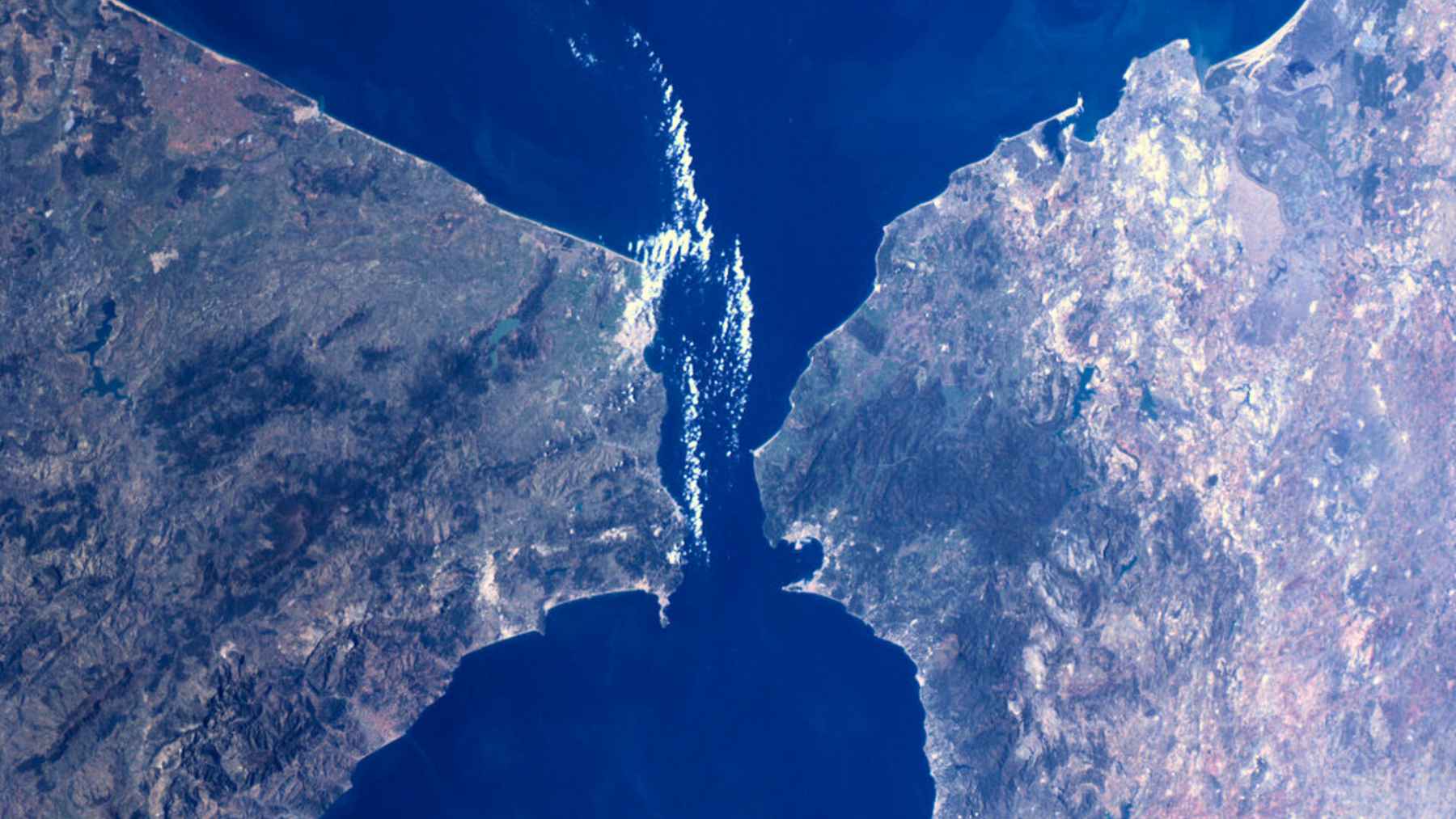
For decades, scientists have debated the North Atlantic Land Bridge, often shortened to NALB, which once linked Europe and North America through high latitudes, including routes through what is now Greenland.
The study notes that the bridge is thought to have been especially important during warm stretches such as the Paleocene-Eocene Thermal Maximum, when ecosystems shifted rapidly.
Still, a common view has been that terrestrial vertebrates did not disperse via this route more recently than the early Eocene. The new Arctic rhino, sitting much later in time, pushed the team to rebuild parts of the rhino family tree and ask whether the traditional timeline was too strict.
To do that, the researchers compiled records for 57 rhinocerotid taxa, almost all extinct, assigned them to five broad continental regions, and used dispersal modeling to estimate movement between continents.
Their analysis found many Europe-to-North America dispersals in both directions, and the totals nearly approached the number of dispersals within Eurasia. It is a reminder that ancient geography could make the Atlantic feel a lot smaller than it does on today’s map.
Ice, shallow water, and a seasonal route across the north
The study’s boldest claim is about how long that pathway stayed usable. The authors report multiple dispersal events in the Oligocene-Miocene window and suggest the North Atlantic route may have been crossable for mammals for at least 20 million years longer than previously considered, possibly into the Miocene itself.
How could that happen if water was already separating land?
The paper argues that parts of the land bridge may have been interrupted by only narrow, shallow waterways until the Miocene, and that seasonal ice forming as early as the mid to late Eocene could have helped animals cross those gaps. Ice is usually treated as a barrier, but in the right season it can also be a temporary bridge.
The Devon Island setting helps make the idea easier to picture. The Canadian Museum of Nature notes that fossil plants from the crater show a temperate forest habitat, a sharp contrast with today’s cold, dry permafrost landscape, and Haughton Crater itself is about 23 kilometers across (roughly 14 miles).
In practical terms, that means the Arctic environment was not fixed, and the windows for migration likely opened and closed with climate.
Why a Miocene rhino matters for ecology today
On the surface, this is a story about one extinct animal. Underneath, it is about how quickly ecological boundaries can shift when climate and ice change, and how the Arctic can become a hinge point for evolution rather than a dead end.
Lead author Danielle Fraser put the discovery in perspective by pointing to the family’s lost diversity. “Today there are only five species of rhinos in Africa and Asia, but in the past they were found in Europe and North America, with more than 50 species known from the fossil record,” she said in a Canadian Museum of Nature statement.
Adding a High Arctic species is not just a new name; it is a new data point that can redraw migration routes.
There is also a methods story quietly running in the background. The same Devon Island rhino has been linked to separate work showing that partial proteins can be recovered from tooth enamel in deep time, offering another way to test evolutionary relationships when DNA is gone.
The study was published in Nature Ecology & Evolution.