California is quietly rewriting how a modern state gets its water. Along the Pacific coast, energy-hungry desalination plants now pull millions of tons of seawater ashore each year. Inland, treatment facilities clean wastewater until it is pure enough to drink. All of this happens while snow in the Sierra Nevada shrinks and the long western megadrought tightens its grip.
At first glance, it sounds like science fiction. In reality, it is fast becoming everyday infrastructure for one of the world’s largest economies and one of its most important farm belts.
A giant economy on a drying coast
California’s water problem is simple to describe and hard to solve. Most of the rain falls in the north. Most of the people and high-value crops sit in the drier center and south. For decades, dams, reservoirs and long aqueducts have moved water hundreds of kilometers to bridge that gap.
Climate change has made that balancing act far riskier. A UCLA led study of tree rings found that the southwest North American megadrought of the last two decades is the region’s driest stretch in at least 1,200 years, with human-caused warming responsible for a large share of the severity.
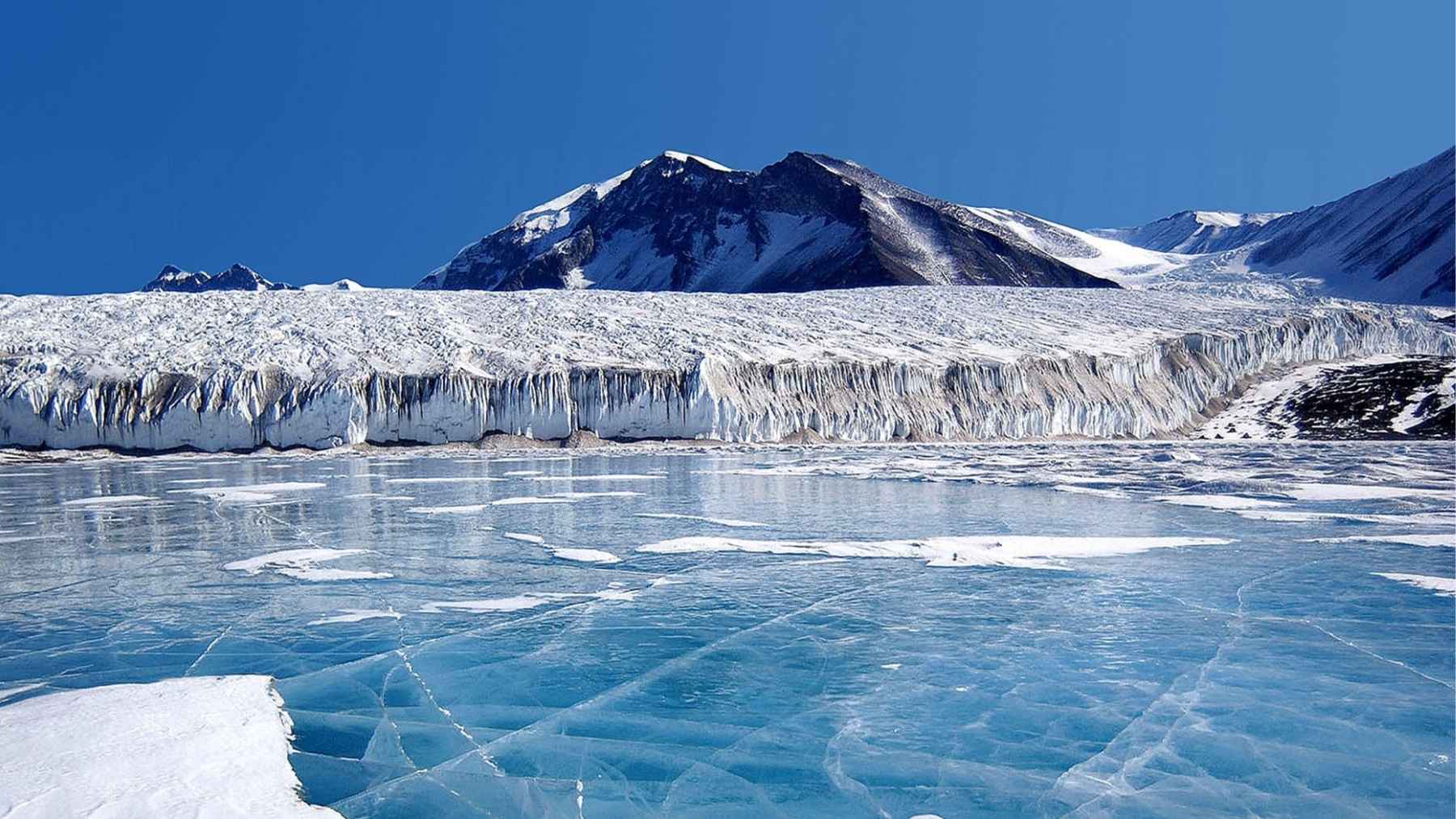
Less snow on the Sierra Nevada and earlier melt mean the natural “frozen reservoir” that used to feed rivers all summer is losing reliability. At the same time, California’s orchards, vineyards and vegetable fields still supply a major share of the fruits, nuts and greens on supermarket shelves across the United States. In dry years, that is a recipe for conflict among cities, farms and rivers.
So water managers have turned to new sources that do not depend as much on clouds or snowflakes.
Desalination as a drought shock absorber
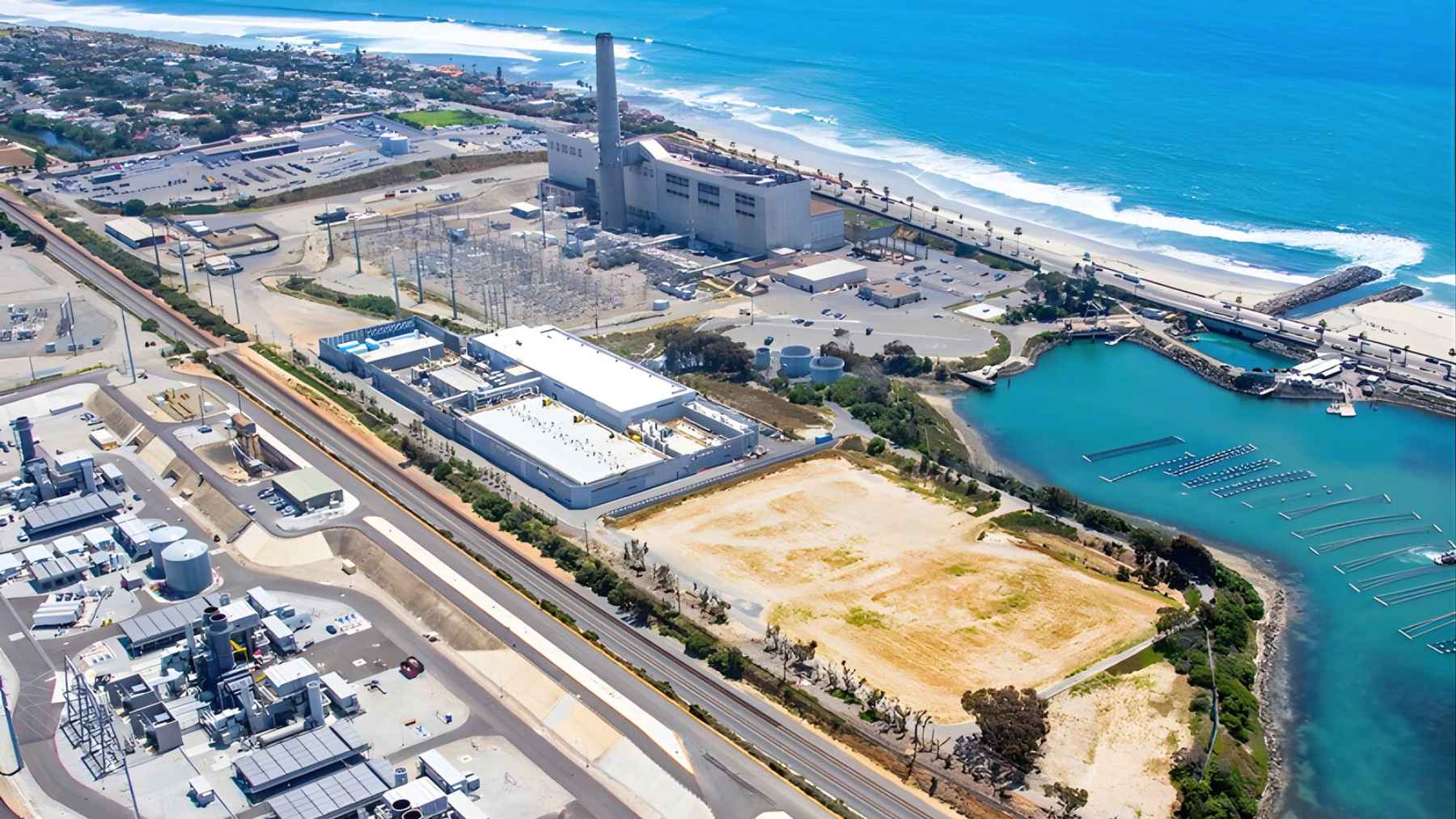
Along the coast, seawater desalination has moved from a futuristic idea to concrete and steel. The Claude “Bud” Lewis Carlsbad plant in San Diego County is now the largest seawater desalination facility in the western hemisphere. It produces roughly 50 million gallons of drinking water each day, covering about 7 percent of the region’s demand.
Farther north, the city of Antioch recently opened a brackish water plant on the edge of the Sacramento San Joaquin Delta. The facility turns slightly-salty river water into up to 6 million gallons of tap water daily, enough to supply about 30 percent of local needs.
Brackish desalination uses less energy than full-strength seawater and produces less salty waste, which helps keep both costs and environmental impacts in check.
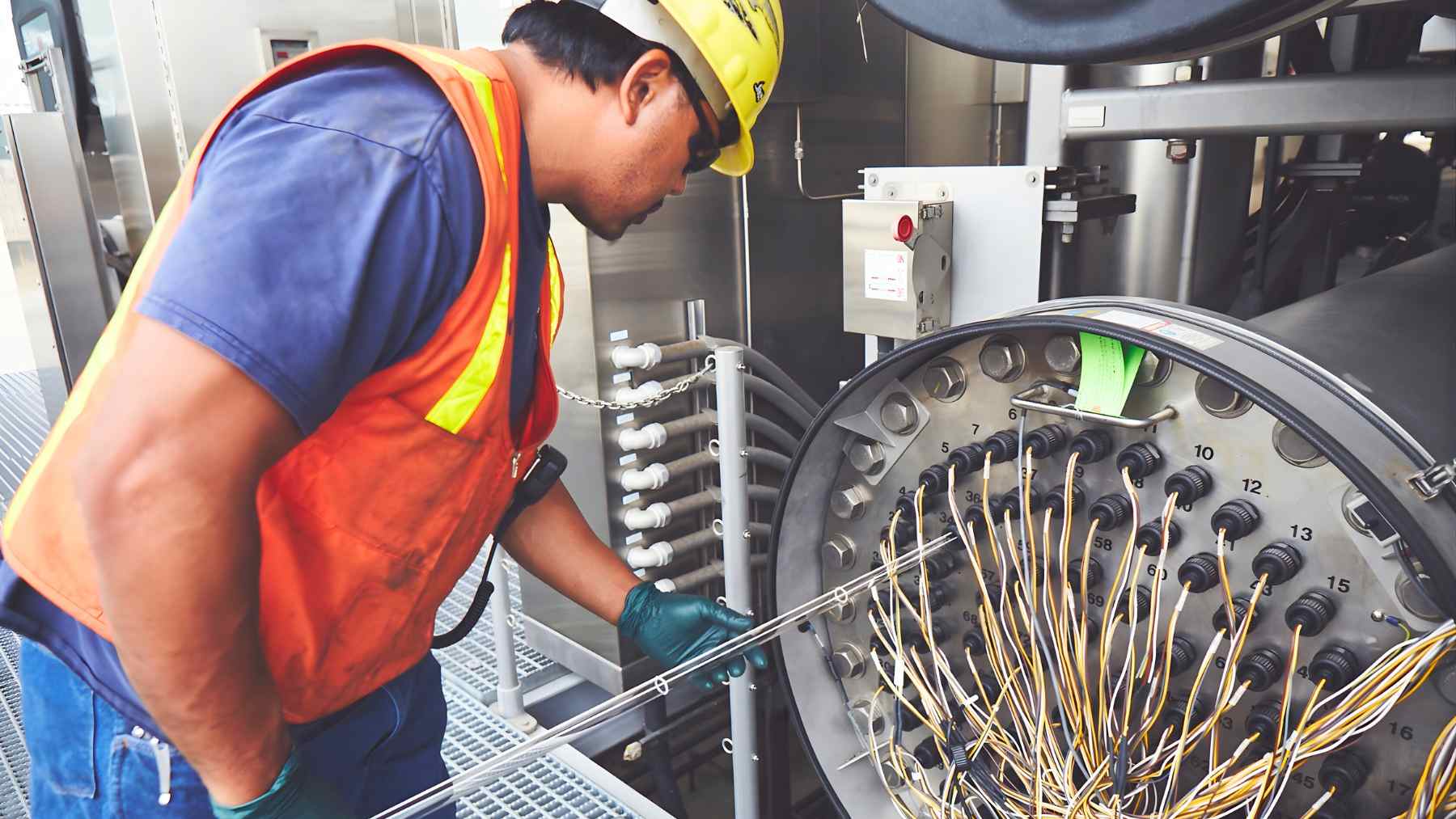
These plants rely on reverse osmosis membranes. High-pressure pumps push water through thin barriers that let H₂O slip through while holding back salt and many contaminants. It works, but it is power hungry. Studies of California facilities suggest that electricity can account for up to one-third of operating costs, and desalinated water often ends up two to four times more expensive than traditional reservoir supplies.
On a household level, that can mean higher water bills, especially in coastal communities that lean heavily on these “drought-proof” sources. There is also the question of what to do with the concentrated brine that comes out the other end, which requires careful discharge systems so it does not smother marine life near outfalls.
So desalination is less a silver bullet and more a safety valve.
Turning wastewater into a mainstream water source
If desalination is the flashy newcomer, water reuse is the workhorse that many Californians never notice. Orange County’s Groundwater Replenishment System, for example, treats up to 130 million gallons of wastewater each day with microfiltration, reverse osmosis and ultraviolet light, then uses it to recharge local aquifers. The project supplies enough ultra-clean water for about one million people and often at lower cost than seawater desalination.
For most residents, the experience is invisible. You flush, the water goes to a treatment plant, and months later it quietly returns to your faucet through the groundwater basin.
Regulators have begun to formalize this practice. In late 2023, the California State Water Resources Control Board approved detailed rules for direct potable reuse. Utilities can now, under strict conditions, send highly-treated recycled water directly into drinking water systems or into raw supplies just upstream of a treatment plant.
Recycled water is also increasingly used for agriculture. State and federal guidelines allow treated municipal wastewater to irrigate crops, pastures, orchards and vineyards when quality standards are met. New facilities, such as the Escondido reuse plant in northern San Diego County, supply farmers with a reliable, lower-cost alternative to scarce potable water.
In practical terms, reuse reduces the pressure on rivers and aquifers and cuts the volume of wastewater discharged to the ocean. It turns yesterday’s sewage into tomorrow’s supply.
One connected system with hard choices ahead
Put together, California’s water system now resembles a giant circulatory network. Mountain snow, stored reservoirs, long aqueducts, coastal desalination plants and advanced reuse facilities all feed into the same arteries that serve homes, businesses, farms and ecosystems.
Diversifying sources makes the system more resilient, especially with droughts that are longer and less predictable. Yet every new pipe or membrane brings fresh questions. High-energy use can clash with climate goals unless paired with renewable power.
Expensive projects risk widening gaps between communities that can afford secure supplies and those that cannot. During the next long dry spell, someone will still have to decide whether scarce water keeps an almond orchard alive, supports endangered fish, or fills urban reservoirs.
At the end of the day, the debate is not only about technology. It is about how a society shares risk, cost and a basic resource.
A recent federal review of large-scale water recycling programs highlights how projects in California and other western states are becoming central to long-term water security plans. The official report was published on “GAO.gov”.