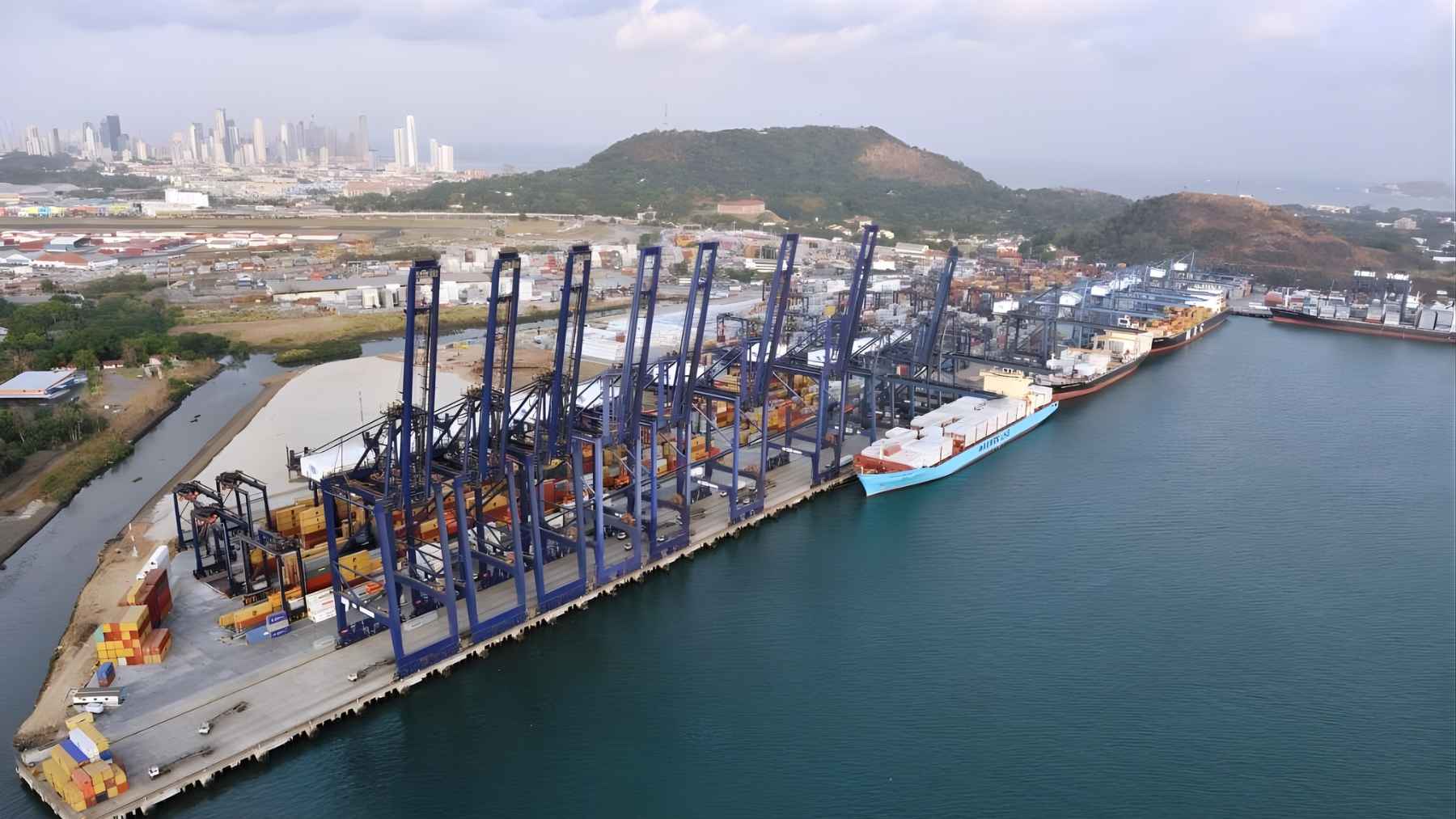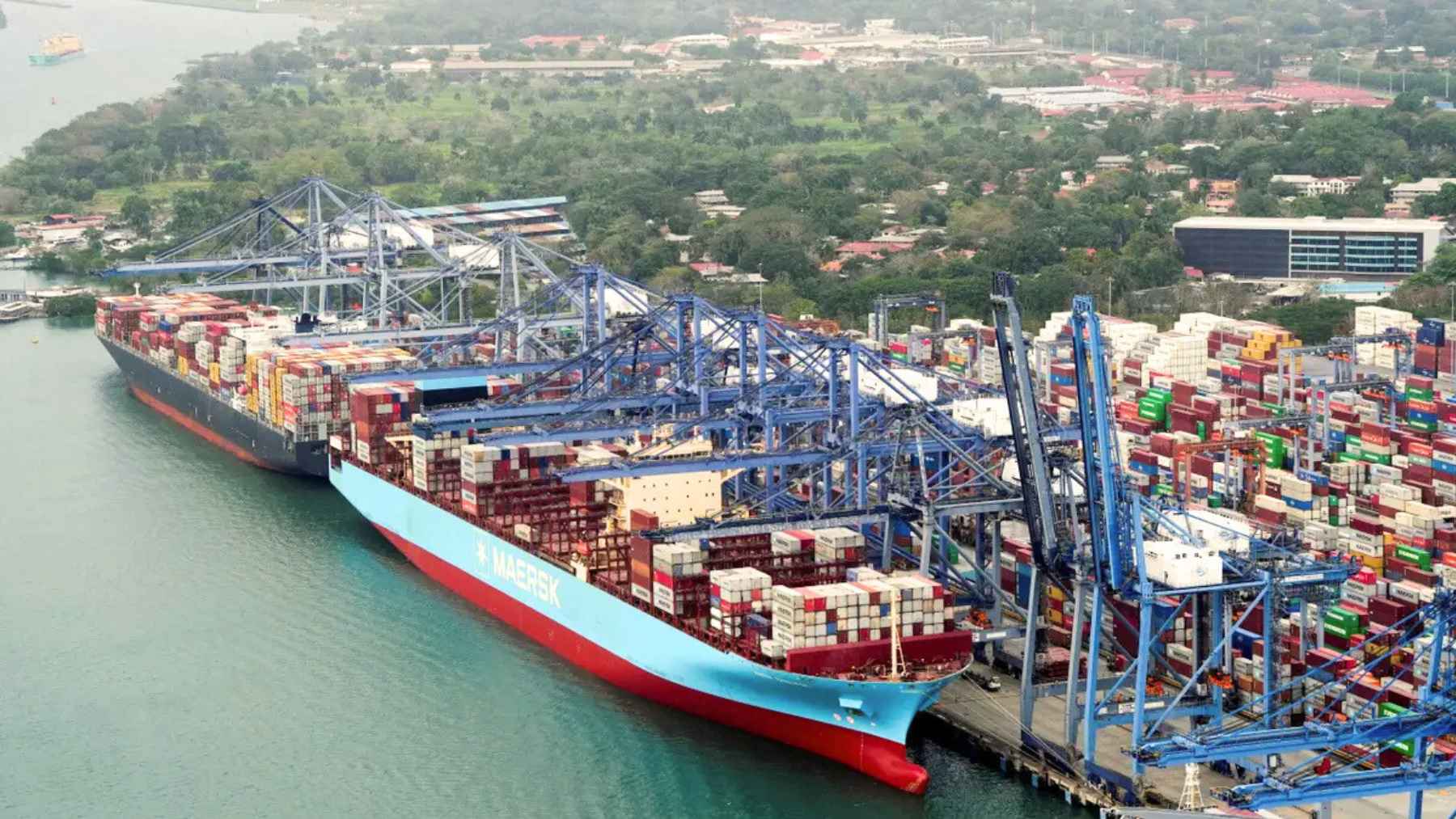
At the center of the latest clash between China and Panama sits the Panama Canal, a narrow strip of water that moves a significant share of the world’s goods and a lot of the planet’s shipping emissions.
After Panama’s Supreme Court annulled the long-standing concession for Hong Kong-based operator Panama Ports Company linked to CK Hutchison Holdings China warned that the country would pay a “heavy price” if it does not reverse course.
On the surface this is a legal and diplomatic fight over contracts and compensation. Underneath it is a struggle over who steers one of the most climate-vulnerable chokepoints in global trade. The canal handles roughly 5 to 6 percent of world commerce so any disruption can ripple into the price of everyday items from cereal boxes to smartphones.
A court ruling at a fragile gateway
Panama’s Supreme Court recently declared unconstitutional the law that granted Panama Ports Company control of the container terminals at Balboa and Cristóbal which sit at each end of the canal. The judges cited violations of the constitution and concerns about the public interest including extensive tax breaks and exclusivity clauses.
Beijing’s Hong Kong and Macao Affairs Office responded by calling the ruling “absurd” and warning that Panama would pay “heavy prices both politically and economically” if it insists on implementing the decision. The office argued that the court had “ignored the facts” and harmed the legitimate interests of Chinese companies.
President José Raúl Mulino publicly pushed back. He stressed that Panama is a state governed by the rule of law that respects an independent judiciary and said the country “will not be threatened by any foreign power.” His government has also signaled that future port contracts will not be handed to a single operator and that a transition plan will keep the terminals running while arbitration unfolds.
Why this port fight matters for the climate
For people far from Central America all this can sound like distant legal drama. Yet what happens at Balboa and Cristóbal affects the planet’s carbon budget. By shortening routes between the Atlantic and Pacific the canal helped ships avoid an estimated 16 million tons of carbon dioxide in 2021 compared with sailing around South America. Over its history the “green route” has saved more than 650 million tons of CO2 according to canal authorities and UN data.
When the waterway is constrained ships detour thousands of extra miles which means more fuel and more emissions. That is not a hypothetical problem. A severe drought in 2023 and 2024 forced canal managers to cut daily transits from a normal capacity of about 36 to as few as 22 vessels and to impose strict draft limits. By some estimates traffic fell around a third during the worst months.
Science points to a drier future
The drought that backed up container ships and tankers was not just bad luck. A recent climate study found that low water levels in Gatún Lake, the main freshwater source for the locks, could become far more common under higher-emission scenarios. The research suggests that historic droughts like the one in 2023 could double in frequency by the end of the century if greenhouse gas emissions keep rising.
Gatún Lake is not only a giant “battery” for canal operations. It also supplies drinking water for Panama City and Colón. Each large ship that crosses the isthmus uses tens of millions of gallons of freshwater. During prolonged dry spells canal authorities have little choice other than to reduce the number and weight of ships in order to protect that resource. That is why scientists describe the canal as being on the front line of climate impacts.
Whoever runs the ports will have to fund adaptation
Behind the courtroom drama lies a basic question. Who will pay to make this corridor resilient in a warming world?
The canal authority already plans new infrastructure such as the Rio Indio reservoir along with investments in water-saving technologies and efficiency measures estimated at several billion dollars over the coming decade. Future operators at Balboa and Cristóbal whether local or foreign will operate in that context.
Long-term port contracts will need to do more than guarantee rent and jobs. They will need to align with climate science and support conservation of the watershed that keeps the locks running.
For households the immediate impact of this dispute may not be visible yet. Ships are still moving and store shelves are still stocked. Over time though legal uncertainty and climate stress can feed the same outcome; higher costs along supply chains and more emissions when traffic is forced onto longer routes.
At the end of the day that is the real high price everyone risks paying if geopolitics keeps overshadowing the environmental reality of a canal that depends on healthy forests and stable rainfall.