Chinese geologists say they have uncovered an enormous gold deposit buried beneath the Wangu gold field in Hunan Province in central China. Early estimates suggest more than 1,000 metric tons of gold worth about 600 billion yuan, or roughly $85.9 billion.
If those numbers hold up, the site would rank among the largest gold deposits ever documented and could even rival South Africa’s long-running South Deep mine. That is a huge claim for a place most people have never heard of.
A buried treasure beneath Hunan
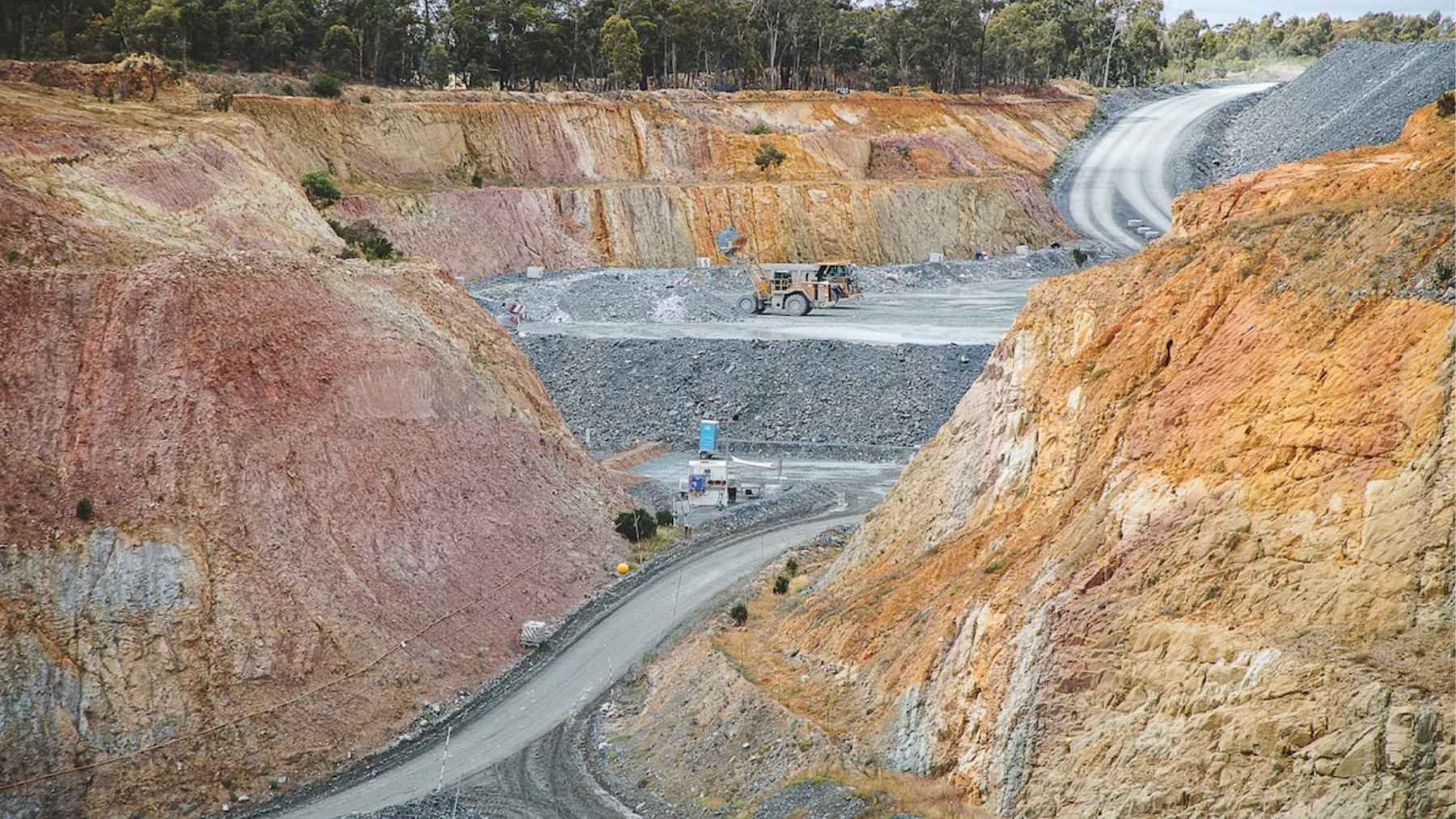
The new cache sits under forested hills in Pingjiang County, where the Geological Bureau of Hunan Province has been drilling for years. Officials report more than 40 gold-bearing veins within about 2,000 meters that already contain around 300 metric tons of gold, with computer models hinting at more than 1,000 metric tons down to 3,000 meters.
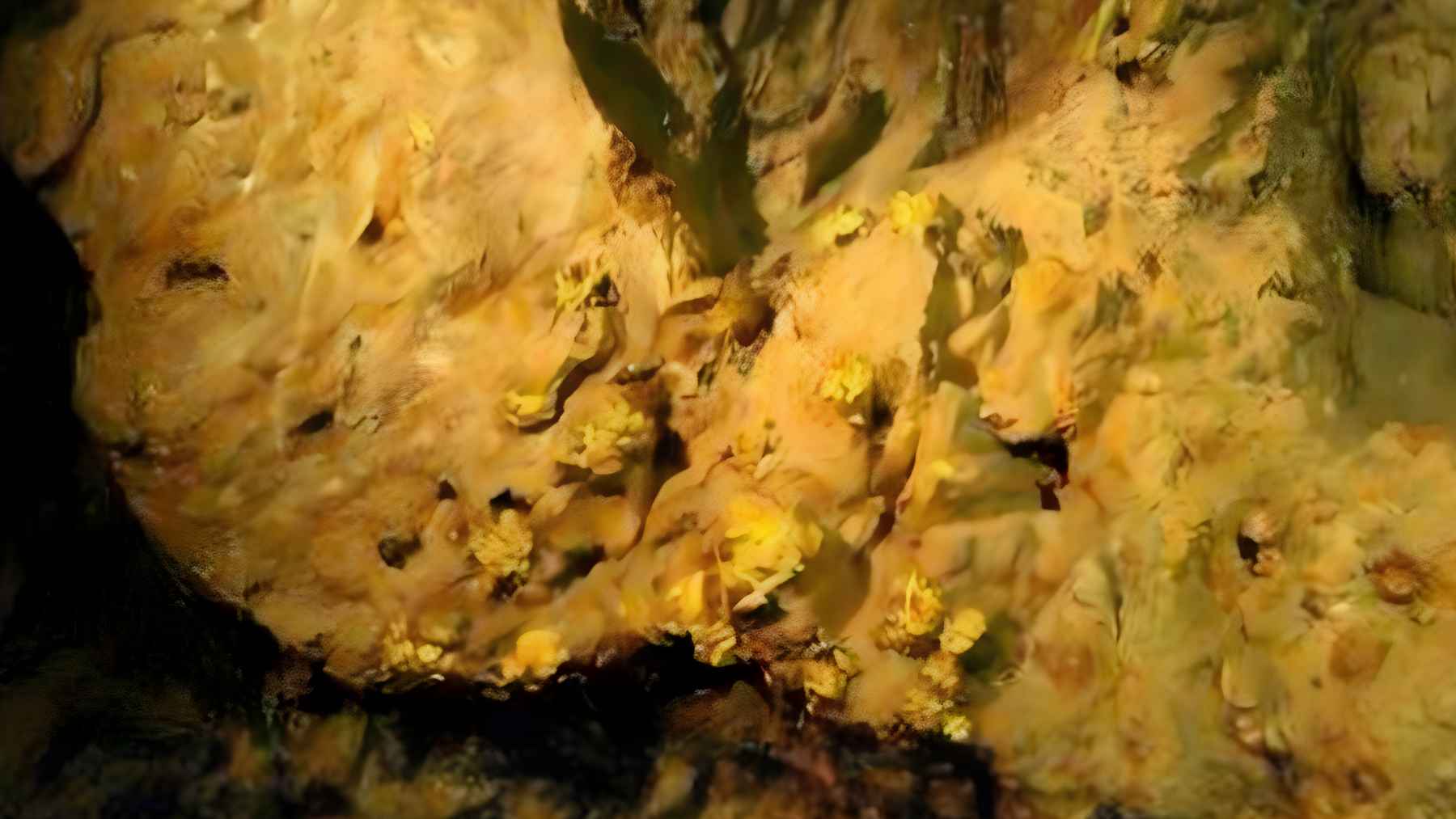
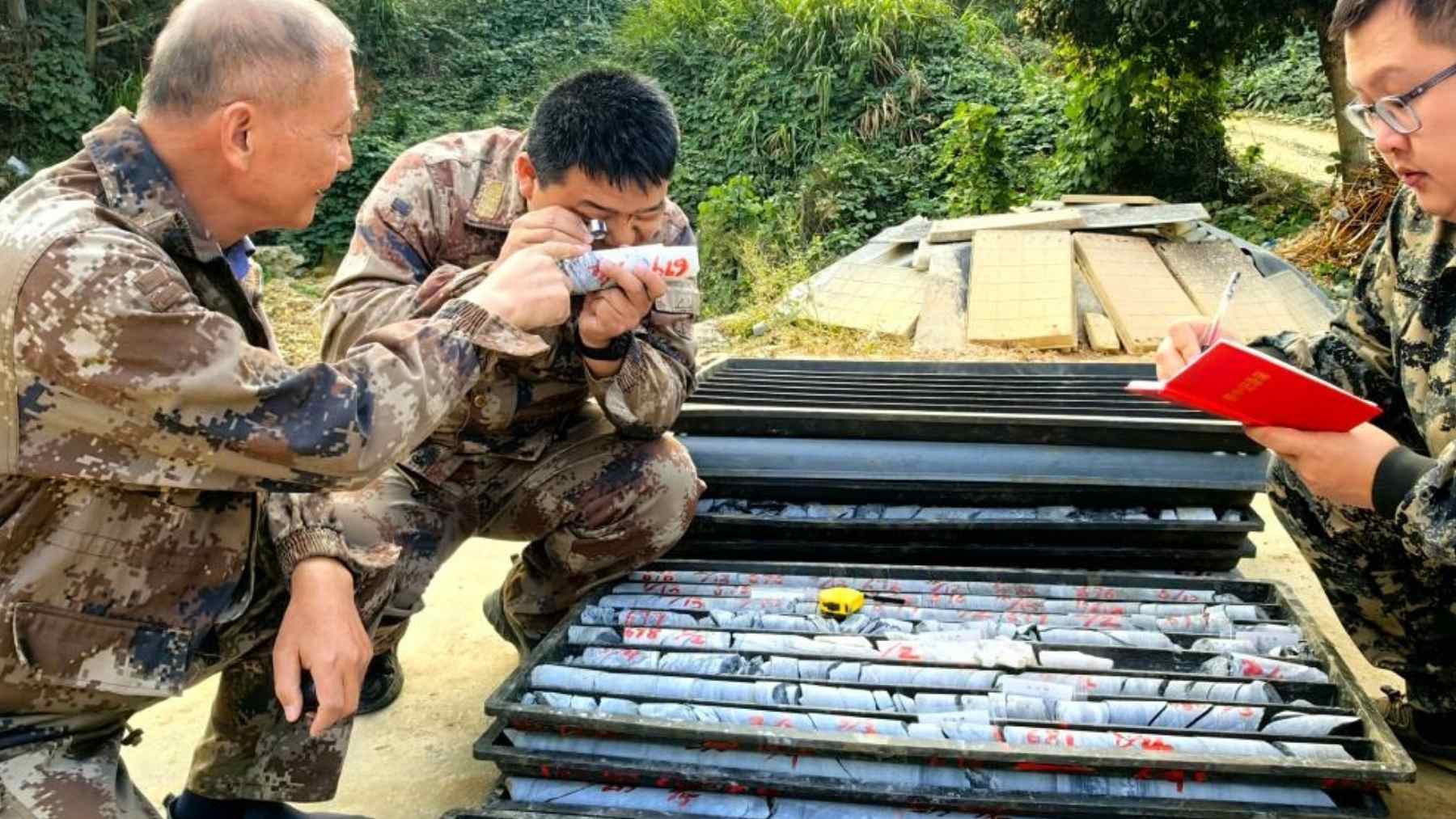
In simple terms, geologists are finding streaks of gold-rich rock running through otherwise ordinary stone, like bright frosting swirled through a loaf of marble cake. Liu Yongjun, a deputy head of the bureau, said the team used three-dimensional geological modeling to map the veins at depth and guide each new borehole. Core from the edges of the field shows gold as well, which suggests the buried system may extend beyond the first mapped boundaries.
How big this discovery really is
Gold might feel abundant when you look at jewelry displays or central bank vaults on television, yet the global supply is limited. Recent summaries based on data from the United States Geological Survey and the World Gold Council suggest that humanity has mined about 200,000 metric tons of gold so far, with around 60,000 metric tons left in known reserves that can be mined economically.
Set against those totals, a single deposit that may hold more than 1,000 metric tons is a big deal because it represents a noticeable slice of what is left to mine. Many underground gold mines are considered high quality when the ore averages around 8 to 10 grams of gold per metric ton, so Wangu’s reported maximum samples near 138 grams per metric ton fall into what miners sometimes call bonanza territory.
Where such rich gold veins come from
Gold does not just appear in rock by luck. One widely supported idea is that hot, mineral-rich fluids once moved through deep cracks in Earth’s crust, carrying tiny amounts of dissolved gold that later dropped out and lined the fractures with quartz and metal as pressure and temperature changed.
A landmark study in the journal Nature Geoscience showed that earthquakes can play a key role in this process by expanding cavities in fault zones, which makes trapped fluids flash into vapor and dump their dissolved gold in a geological instant. Later work by geologists at Monash University in Australia suggested that the same seismic squeezing can generate electric fields in quartz that pull gold out of solution and help build dense networks of veins and nuggets over many cycles of shaking, a picture that fits well with what is now being logged at Wangu.
What happens next at the Wangu gold field?
For now, the Hunan discovery is a resource estimate rather than a finished mine plan. Earth science reporters note that early tallies often change as more holes are drilled and lower grade rock is sampled between spectacular intervals, which means the final numbers for both total metal and average grade could move up or down.
Provincial authorities say exploration drilling is ongoing across about 55 boreholes totaling roughly 65 kilometers, with a newly formed state enterprise called Hunan Mineral Resources Group coordinating what they describe as integrated exploration. Does a discovery like Wangu mean there is more left than people thought? Industry specialists still warn that depth, cost, and environmental impact will decide how much of that metal reaches vaults and savings accounts, even if this find delays talk of so-called peak gold.
The official press release was published on “Xinhua“.
Image credit: Xinhua