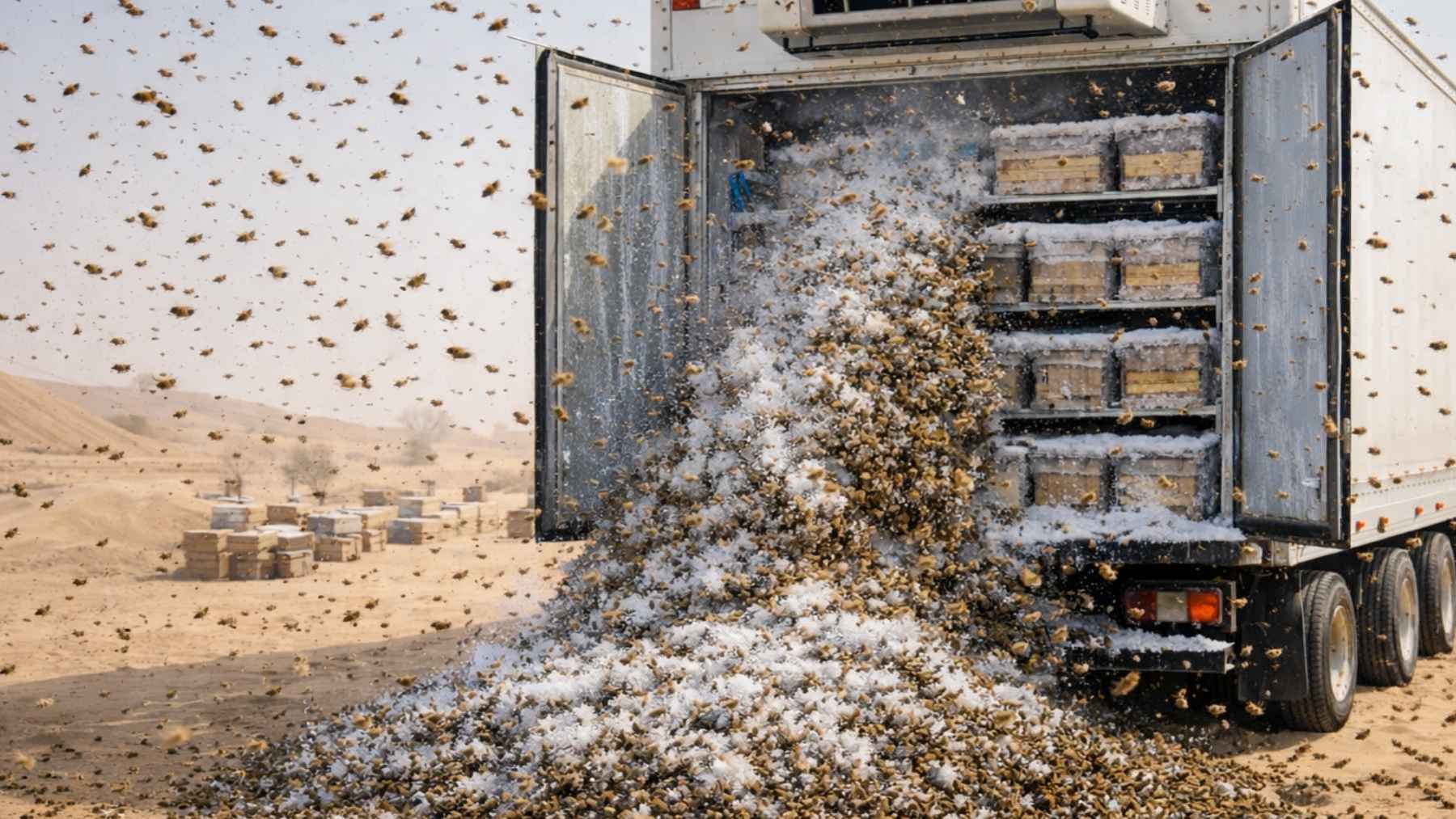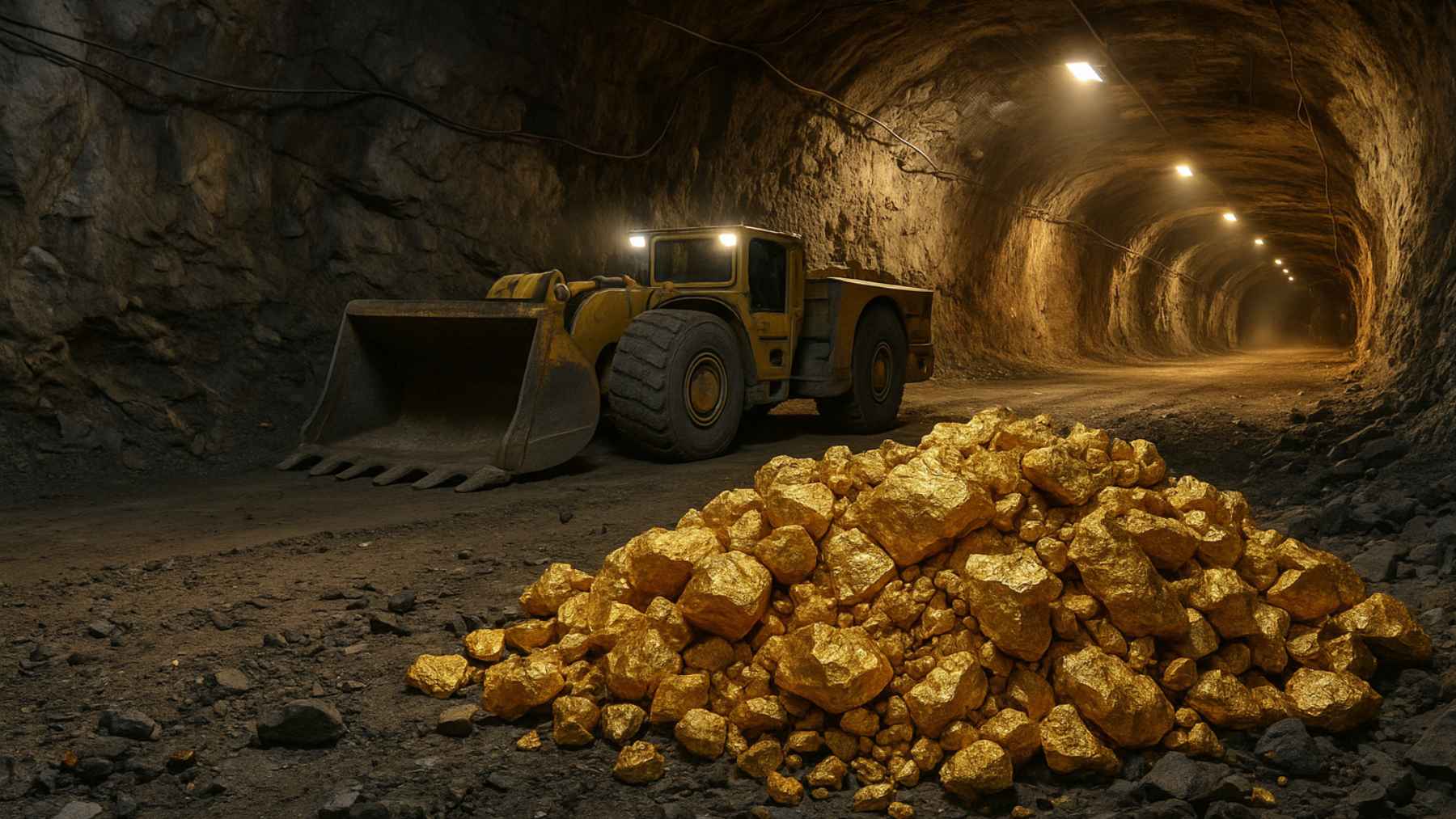
China has confirmed the largest gold discovery in its modern history in the northeastern province of Liaoning Province, an underground hoard worth roughly $195.6 billion at today’s prices.
The find at the Dadonggou gold mine holds an estimated 2.586 billion tons of ore and about 1,444 tons of gold, making it the country’s first “super large” low-grade deposit since 1949.
For China, this is a strategic windfall. Officials say the deposit will strengthen national gold reserves and could underpin a world-class production hub in the industrial city of Yingkou, where the ore body stretches across more than thirty square kilometers around Qingshiling and Tuandian.
The exploration campaign, led by Liaoning Geological and Mining Group with nearly one thousand staff and more than two hundred drill holes, took only about fifteen months, an unusually fast pace for a project of this scale.
Open-pit gold mining and environmental risks
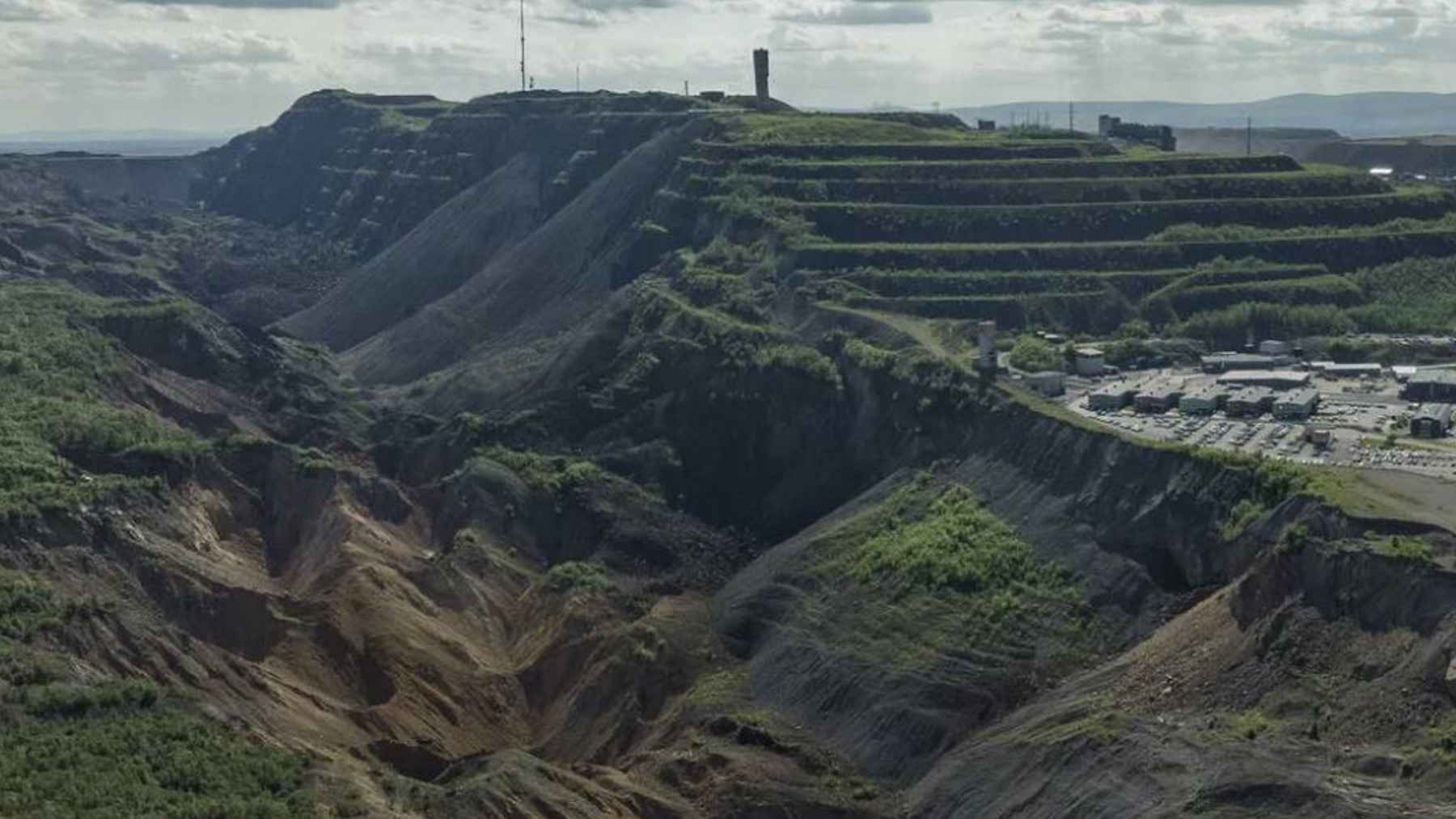
The mine is classified as a very large open pit. In practical terms, that means millions of tons of rock will be blasted, hauled and crushed year after year so that flecks of gold measuring just over half a gram per ton can be recovered. It is less a classic gold vein and more a gigantic earthmoving operation that will run for decades if fully developed.
Global gold demand, prices and climate concerns
The discovery also lands at a moment when global demand for gold is running hot. Prices have risen by more than 50% in a year, driven by geopolitical tension, central bank buying and investors looking for a safe place to park savings when the economy feels shaky.
Chinese households are buying more bars and coins, and consumption has outpaced domestic mine supply for years. So where does the planet fit into this rush for yellow metal?
Groups such as Earthworks point out that gold mining is among the most polluting extractive industries. Producing the gold for a single wedding ring can generate around twenty tons of waste.
Operations often leave behind huge piles of crushed rock and tailings that can leak mercury, cyanide and heavy metals into rivers and aquifers. Open pit mines strip vegetation and soil over wide areas, fragment habitats and create dust and noise that can linger long after the last truck leaves.
Cyanide use, tailings dams and toxic mine waste
Gold is commonly extracted using cyanide solutions that dissolve the metal from crushed ore. When waste ponds or tailings dams fail, the results can be devastating for wildlife and communities.
Studies have linked cyanide-bearing mine waste to mass bird deaths, while spills such as the Baia Mare accident in Europe released tens of thousands of tons of contaminated water and were described as the worst regional river disaster since Chernobyl.
Industry bodies including the World Gold Council promote standards like the International Cyanide Management Code, a voluntary program that sets benchmarks for transporting, using and disposing of cyanide in gold production.
More than half of primary gold output from cyanide using mines now comes from companies that participate in the code. The question facing Dadonggou is how strictly such practices will be applied and independently verified.
China’s green mine policies and sustainable mining
Chinese regulators say new mines must align with “green mine” policies that require ecological restoration and better pollution control. In recent years the country has introduced national standards for rehabilitating active mine sites and has designated more than 5,000 operations at national and provincial level as green mines.
China Daily reports that the Dadonggou project is being planned with an integrated industrial chain and an explicit focus on balancing economic, social and ecological benefits.
For people buying a small gold pendant or a few coins to hedge against inflation, the link to a vast open pit on the other side of the world can feel remote. Yet every ounce has to come from somewhere.
At the end of the day, the environmental footprint of this record breaking discovery will depend on how tightly the Ministry of Natural Resources enforces its rules, how transparently the operators report their impacts and whether independent watchdogs are allowed to keep an eye on water quality, tailings safety and land restoration over the long term.