If you have a phone or a laptop, you have already encountered lithium, even if you never think about it. It helps rechargeable batteries store energy for everything from earbuds to electric cars.
A study of an ancient volcanic crater on the Nevada-Oregon border suggests a huge amount of lithium may be locked in clay under the surface. The researchers argue that hot, mineral-rich water moved through the ground and concentrated the lithium to unusually high levels.
Where this lithium crater sits, and why it matters
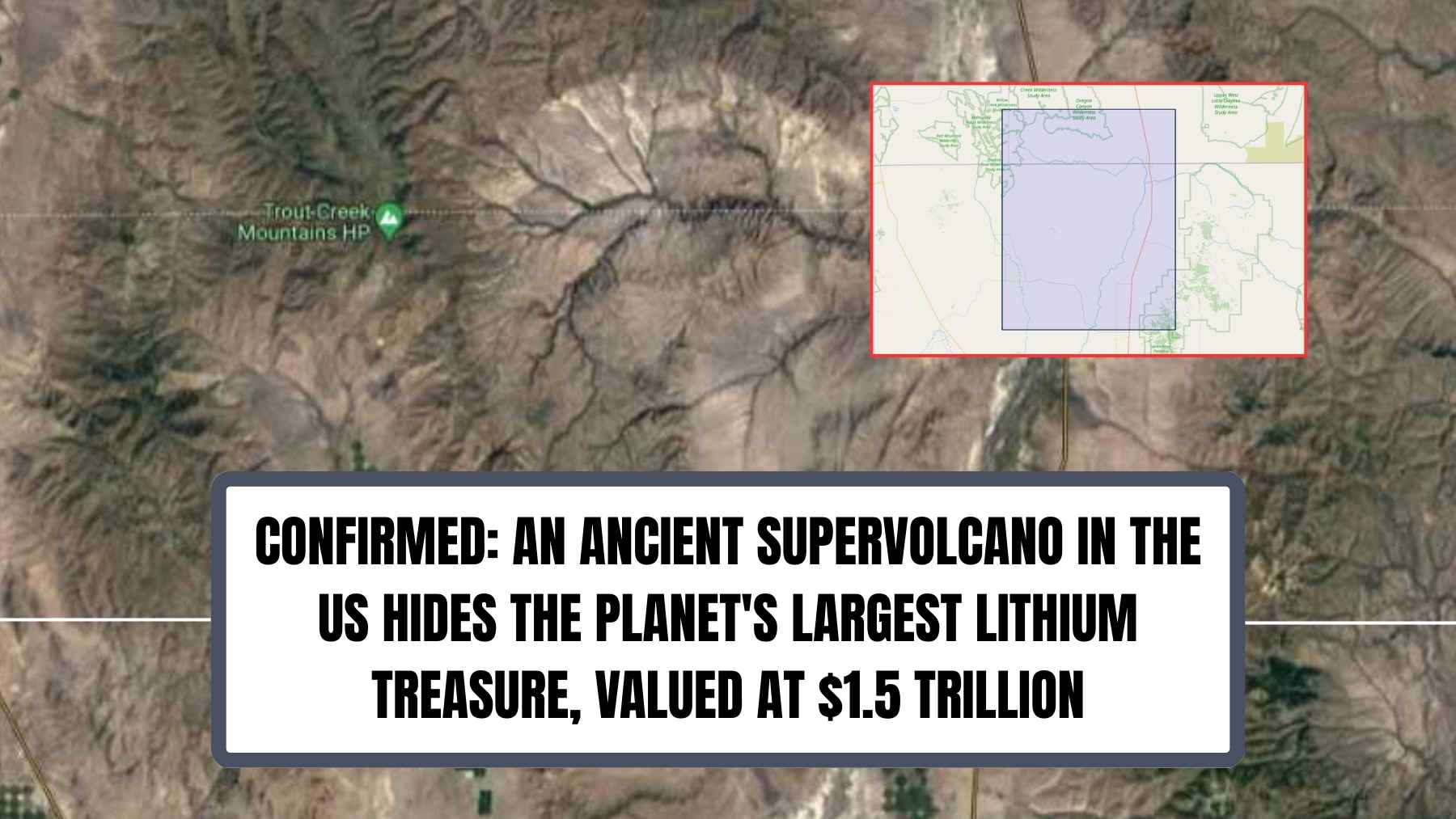
The place is the McDermitt caldera, a giant bowl left behind after a massive eruption about 16 million years ago. It stretches roughly 28 miles north to south and about 22 miles east to west along the Nevada-Oregon line.
A caldera forms when the ground collapses after an eruption empties a magma chamber, which is essentially a vast underground reservoir of molten rock. This is ancient volcanic history, not a volcano that is about to wake up and surprise anybody.
What the study found in the clay
The study, led by geologist Thomas R. Benson and coauthors, focused on Thacker Pass on the south side of the caldera. It appeared in Science Advances on August 30, 2023. In lab work, the team reported clay-rich rocks containing up to 1% lithium by weight, more than double what many other known lithium clays hold.
They also looked closely at a specific clay mineral called illite. Tests on the illite itself showed about 1.3% to 2.4% lithium by weight, meaning the right kind of clay can carry a lot of lithium in a small amount of rock.
The eye-popping estimate: 20 to 40 million metric tons
Because these lithium-rich layers may extend across much of the caldera, the researchers estimate McDermitt could contain about 20 to 40 million metric tons of lithium, which could make it the largest deposit identified so far. For perspective, the U.S. Geological Survey (USGS) estimates the world used about 220,000 tons of lithium in all of 2024, so even the low end of that range is enormous, if mining can actually reach it.
It’s important to note the study’s funding source. A Nevada Current report noted Lithium Americas funded the study, and one of the authors works for the company and holds stock.
At the same time, this is not a brand-new idea that came out of nowhere. The USGS reported unusually high lithium in McDermitt’s lake sediments back in 1978, and a 2020 paper in the journal Minerals called the area “possibly the world’s largest” lithium clay resource.
How a supervolcano helped make lithium-rich clay
After the big eruption, the caldera filled with thick ash and broken volcanic glass. A long-lasting lake then formed in the crater. Mud and ash settled on the lake bottom and turned into clay-rich layers over time.
Later, hot fluids kept moving through the rocks underground. The study says those fluids helped change a softer clay called smectite into illite, and that change helped the clay grab and hold more lithium.
Why this deposit could be easier to dig, but harder to process
Most lithium today comes from salty brines or from hard-rock mining. The study points out that volcanic lake-bed clay deposits like McDermitt can be broad and fairly shallow, which can mean less waste rock to move for each ton of ore.
But clay makes you work for it. Plans for Thacker Pass describe crushing the ore and using a chemical leaching step to pull lithium out of the clay, using chemicals like sulfuric acid, then turning it into lithium carbonate for batteries.
The $1.5 trillion headline, and what it really depends on
Some recent coverage slapped a price tag of about $1.5 trillion on this deposit by multiplying the high-end estimate by a past contract price for lithium carbonate. While eye-catching, this figure is highly speculative and should not be mistaken for guaranteed value.
Prices move fast. The USGS reported the average U.S. contract price for battery-grade lithium carbonate fell to about $14,000 per metric ton in 2024, after much higher prices in 2022 and 2023, so any “value” math can swing wildly from one year to the next.
Big promise, big questions for the people and land nearby
This part of the high desert is home to wildlife, ranching, and deep tribal history. A 2025 Human Rights Watch report states that the Thacker Pass project sits on ancestral lands and raises serious concerns about how agencies handled consultation and other rights issues.
Water is a flashpoint, too. On June 26, 2025, Nevada regulators ordered the mining company to stop pumping from a contested well tied to a dispute with a rancher, and a watchdog group described the rush around lithium as “sloppy permitting.”
What scientists will look for next
For geologists, McDermitt is a lesson in how nature hides valuable stuff in plain sight. The study ties the lithium story to a mix of lake sediments, long-lasting heat, and pathways for hot fluids to move through cracks in the rock.
That model gives explorers a checklist for other basins that might hold similar clay deposits. The foundational study was published in Science Advances.