People love to joke about “the next doomsday date,” especially when a space rock shows up in the news. But the real story is quieter, and a lot more useful, because NASA keeps a public list of asteroids with any non-zero chance of hitting Earth.
Right now, that watchlist includes five large near-Earth asteroids with “virtual impact” dates stretching from October 3, 2030 to March 16, 2880. The odds are tiny, but the dates show how scientists measure risk and why those numbers can shift as new observations roll in.
How NASA turns telescope data into risk estimates
Near-Earth asteroids are space rocks whose orbits bring them into Earth’s neighborhood. NASA’s Sentry system at the Jet Propulsion Laboratory’s Center for Near-Earth Object Studies continuously checks updated asteroid orbits for future close passes that could, in a worst-case scenario, become impacts.
A “virtual impactor” is basically a what-if path inside the margin of error, not a prediction that a strike is coming. Sentry also notes that it’s normal for objects to drop off the list when better measurements remove the impact scenarios.
The five biggest names on the current watchlist
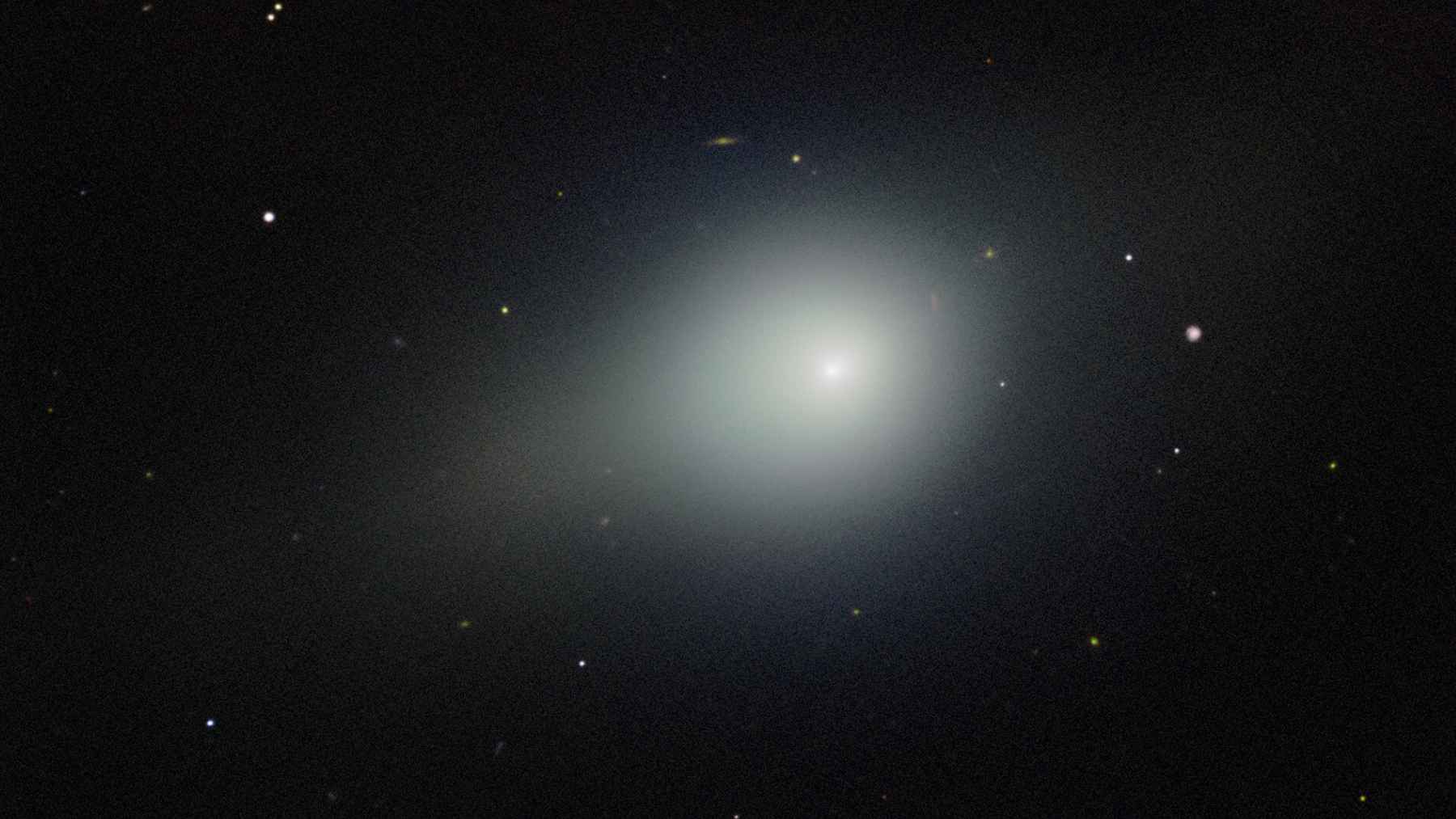
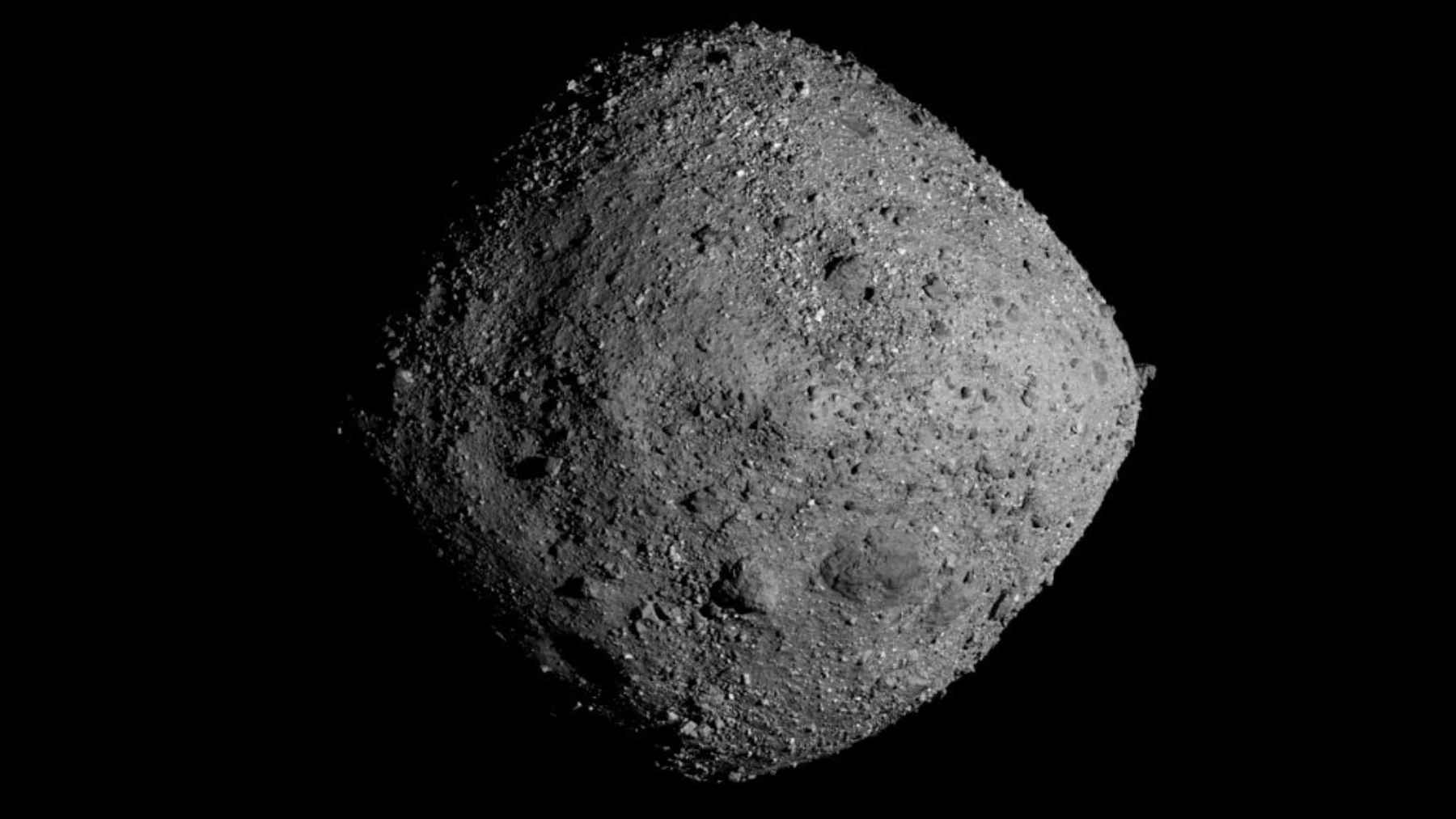
At the top is asteroid 29075 (1950 DA), estimated at about 1.3 kilometers wide, with a possible impact date of March 16, 2880 and odds around one in 2,650. Bennu, about half a kilometer across, has its highest single-date risk on September 24, 2182 at roughly one in 2,700, and NASA puts its total chance of an impact by 2300 at about one in 1,750.
Next comes 1979 XB, a roughly 0.66-kilometer asteroid last observed in 1979, with its largest listed impact date on December 14, 2113 and odds in the ballpark of one in 1.8 million. Another long-lost object, 2007 FT3, hasn’t been seen since 2007 and carries a possible impact date of October 3, 2030 with odds around one in 10 million, which is one reason astronomers would love to recover it with new telescope time.
Rounding out the five is 2015 JJ, an asteroid about 130 meters wide with a possible impact date of November 7, 2111 and odds around one in 14,800. If an object that size hit, the damage would depend heavily on where it came down, but it could still devastate a region in minutes.
What a Bennu-class impact could do to the climate
So what happens if a medium-sized asteroid actually hits? A Science Advances modeling study led by Lan Dai, working with Axel Timmermann at the IBS Center for Climate Physics at Pusan National University, simulated a Bennu-type impact that lofts hundreds of millions of tons of dust high into the atmosphere.
In their scenarios, sunlight drops, global temperatures fall by about 7 degrees Fahrenheit, and rainfall declines by around 15% for a period measured in years. The models also show a sharp hit to photosynthesis, meaning plant growth and ocean productivity could dip hard at first, and that’s where everyday life gets real fast, with crop yields and food prices under pressure.
Why the scary headlines rarely stay true
Asteroid risk is not a countdown clock, and most objects that look threatening early on end up being cleared after more observations. NASA says Earth is safe from asteroid Apophis for at least 100 years after additional tracking removed its last small impact possibility.
Meanwhile, planetary defense has moved from theory to practice. NASA confirmed in 2022 that the DART mission changed an asteroid’s motion in space, showing that a carefully aimed spacecraft can nudge a target over time.
The main official monitoring data have been published by NASA’s Center for Near-Earth Object Studies in the Sentry system.
The main scientific study on Bennu-type asteroid collisions was published in Science Advances.