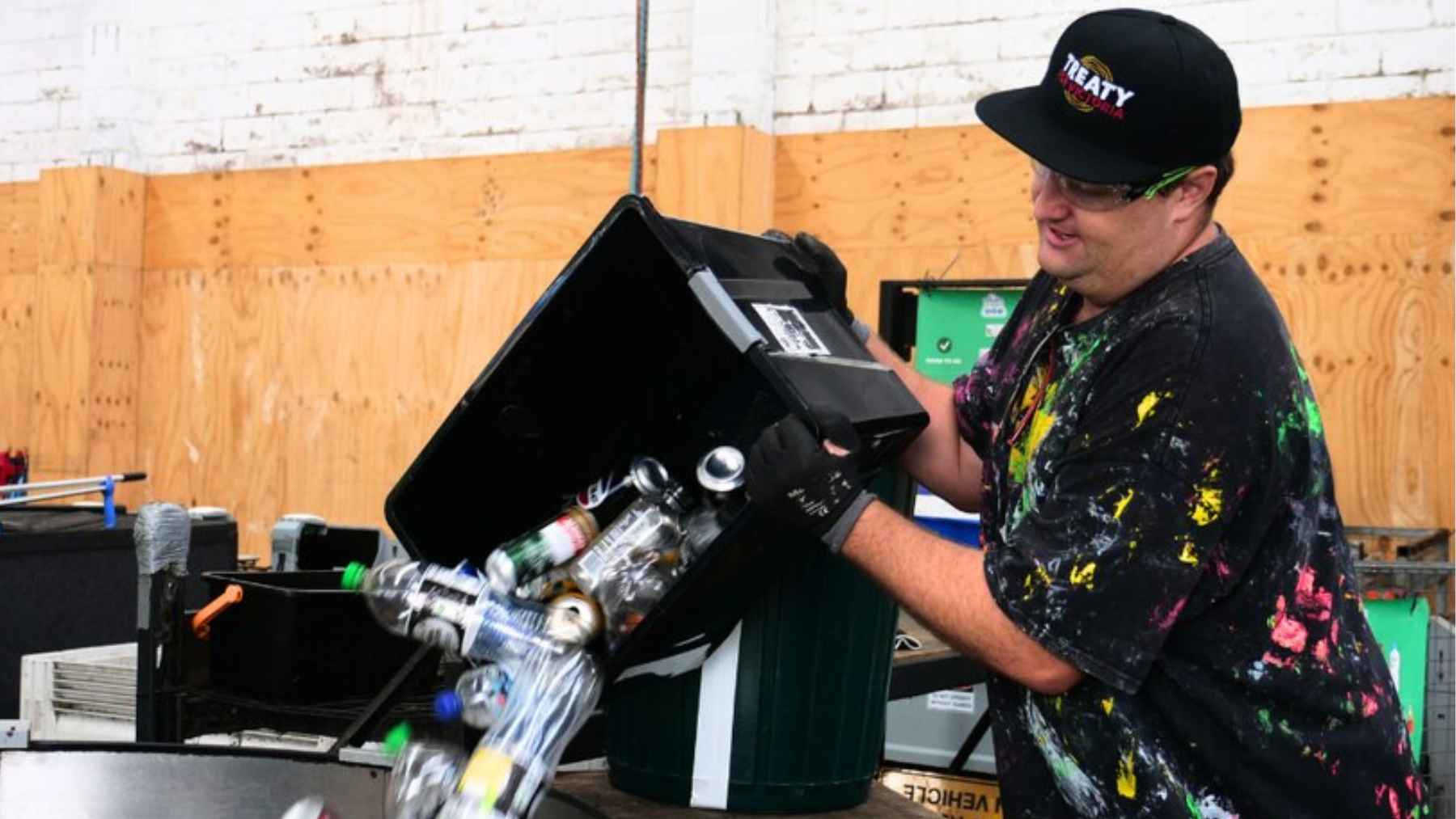
In Australia, an everyday recycling habit has turned into both a cleaner coastline and the deposit on a two bedroom home. Over seven years, Damian Gordon collected more than 450,000 cans and bottles through the state’s “Return and Earn” container refund program, saving about 46,000 Australian dollars in refunds that became his home deposit.
It all started quietly. After long shifts in the health system, Gordon liked to decompress with a walk along the beach. One evening he spotted a single plastic bottle bobbing in the surf and slipped it into his backpack with other trash he had picked up on the sand.
He later explained that he told himself “every little bit counts” and kept going back, cleaning the shoreline and nearby roads whenever he could.
How the Return and Earn recycling program works
When he discovered the Return and Earn program, those walks took on a new dimension. Each eligible can or bottle brought in a refund of 10 Australian cents at automated return points dotted across the state.
Gordon opened a separate bank account for the refunds and rarely checked the balance. “It just kind of piled up,” he told reporters, describing how the money grew silently in the background while he went about his day job.
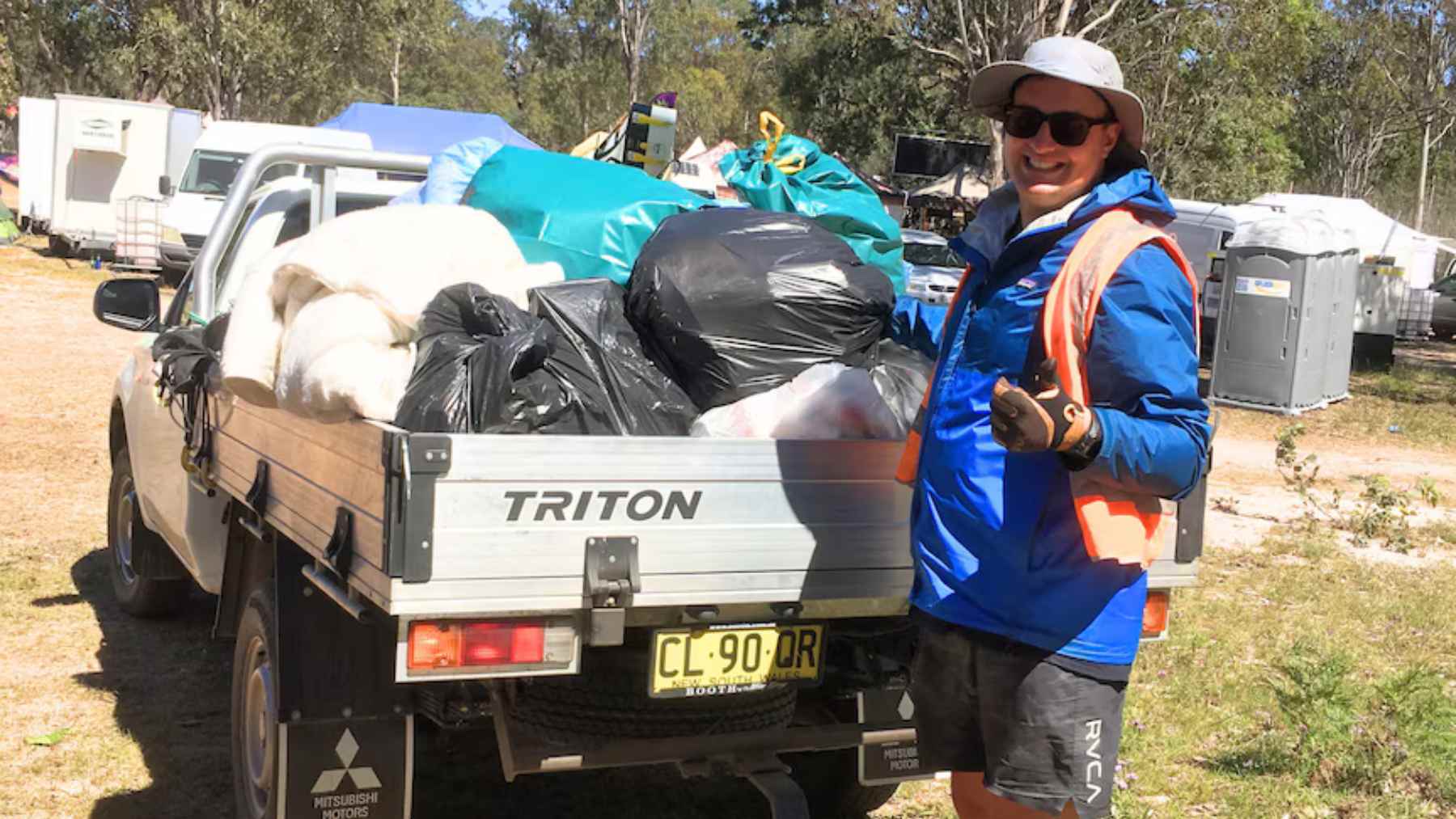
The real turning point came when he began volunteering at music festivals. These events are famous for big crowds, loud speakers and, unfortunately, overflowing rubbish. For Gordon they were also treasure troves of recyclables.
In just a few days at a festival he could fill his ute with thousands of cans and bottles, along with camping gear, strings of fairy lights and unopened non-perishable food that would otherwise head to landfill.
By 2024, that “can account” had passed roughly 46,000 Australian dollars. When he finally sat down with his bank statements, Gordon realized he had enough for a deposit on a modest coastal home.
He successfully bid on a small two bedroom place that he has described as “a little old fishing shack” and said he feels “blessed to have a roof” of his own. Inside, many of the furnishings are rescued pieces from council clean ups and events, cleaned and repaired instead of bought new.
Environmental benefits of aluminum can recycling
So what does one person’s can collection really mean for the environment? To a large extent, stories like this show how personal finance and climate action can line up. Recycling aluminium cans typically uses about 95% less energy than producing new aluminium from raw bauxite, according to the International Aluminium Institute and other industry analyses.
Several studies estimate that each tonne of recycled aluminium can avoid around nine tonnes of carbon dioxide compared with primary production, thanks to the energy saved.
Not every container Gordon picked up was aluminium. Some were glass, others plastic. Even so, the climate benefit from hundreds of thousands of returned drink containers is likely to be measured in many tonnes of avoided emissions, plus less pressure on landfills and fewer bottles washing up where families swim.
At the end of the day that matters just as much as the extra line on a savings statement.
Container deposit schemes and the circular economy
Zoom out and his story sits inside a much bigger trend. Since 2017, the Return and Earn scheme has helped residents in New South Wales recycle more than 15 billion drink containers and receive around 1.5 billion Australian dollars in refunds, according to recent government figures.
Officials say drink container litter in the state has fallen by about 73% by volume, and more than a million tonnes of material has been recycled through the program. For many households the refunds help with everyday costs like groceries or petrol. For a smaller group they have become a way to save for something bigger.
Experts warn that feel good stories can hide hard realities. There are not enough discarded cans in any city for everyone to fund a house deposit this way, and container refunds are not a fix for housing affordability. Yet the lesson is still useful.
When deposit systems are designed well and widely used, they turn what used to be pure waste into a steady stream of reusable material and a small but reliable income source for households, charities and community groups.
Small recycling habits with big impact
For most readers, the takeaway is simpler. Separating bottles and cans, making a quick stop at a return point or even picking up that stray drink container on the sidewalk can all be part of a daily routine.
One person might be saving toward a big goal like Gordon. Someone else might just want a cleaner park or a lighter carbon footprint and maybe a little help with the next electric bill. The point is that small, repeated actions can stack up in surprising ways.
The official statement was published on the Return and Earn.
Image credit: ABC Central Coast