Antarctica, the coldest and most deserted continent, remains a discovery area regarding geological structures. The researchers found that the region is home to a boiling-hot energy source, which fundamentally alters what is understood about the geothermal activity in this frozen desert. This was a revelation that could revolutionize how people perceive sources of energy in polar territories.
Find out how this boiling energy source makes a massive difference.
No one ever expected much to happen in Antarctica, the icy continent that is frozen solid and separated from the rest of the world by the southern seas. This hidden energy source pegged on geothermal heating derived from within the Earth, is fuming under the ice. This finding, therefore, poses some questions about its contribution to the albedo decrease and subsequent accelerated melting of Antarctic glaciers.
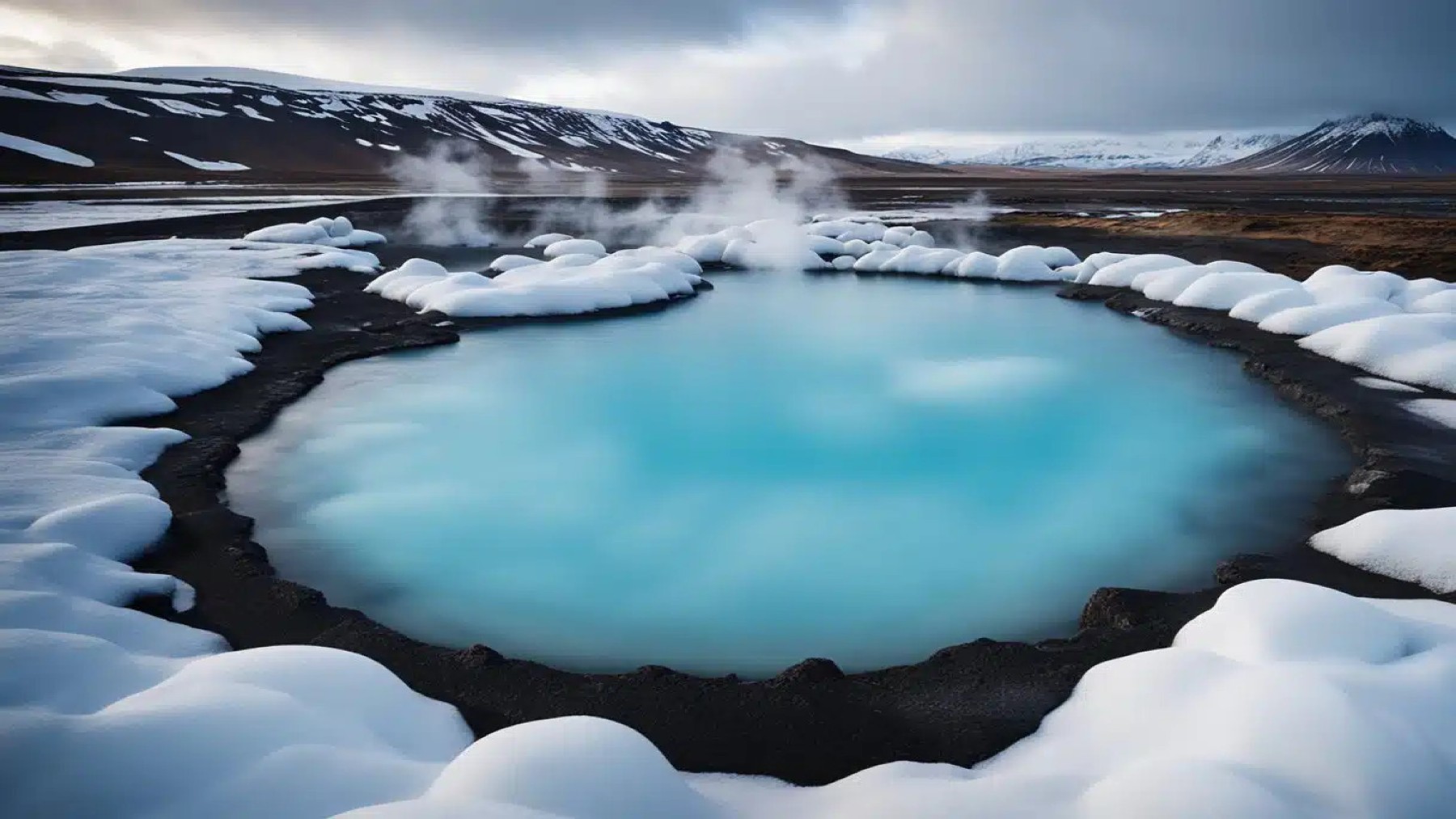
The current geothermal resource may not be as spectacular as geysers or brightly coloured hot springs like the ones in Iceland, but the basic concept is the same at its core. Heat comes from near the core of the earth and warms the bottom part of Antarctic ice shelves. This geothermal warmth could greatly contribute to the already rising instability factors of glaciers, especially in the region.
This is how geothermal activity could increase global sea levels nowadays
This, especially where the climate change issue is concerned, is even more interesting because scientists recently found that geothermal energy is available underneath the Antarctic ice. It was discovered that this heat is melting key glaciers like the Thwaites Glacier, which is fundamental in preserving the stability of global seas. If this glacier melts or breaks away from Antarctica and collapses, sea levels are likely to rise, and this will be greatly felt by the world’s coastal cities.
Whereas Iceland uses geothermal energy to keep homes and industries going, the process of harnessing geothermal energy in Antarctica is far more complicated. There are challenges regarding how isolated and cold the area is, but the discovery raises concepts about how geothermal heat may one day be commercially tapped as an exploitable green power source for warmth in the coldest climes.
Antarctica’s boiling energy vs Iceland’s hot springs: A comparison
Just to study the geothermal energy of Antarctica, scientists are trying to make comparisons with Iceland, which is famous for its geothermal attractions. It can be seen that Iceland is a nation of fire and ice due to its many volcanic features, which are in abundance, including geothermal heat. Visitors of Iceland marvel at the Blue Lagoon and geysir hot spring resources going through the ultimate view of this natural energy source.
Like in the case of Antarctica, the activity of bringing heat from the depths of the earth’s crust here is geothermal activity. Nevertheless, Iceland has been able to harness this energy for global environmental and economic gain, which is still impossible to do in Antarctica because of logistical constraints. Applying the Icelandic geothermal model directly to the Antarctic environment would be impossible with the present technology.
Future research on Antarctica’s boiling energy: What’s next?
While harnessing the geothermal energy of Antarctica for electricity is unimaginable in the near future, the discovery is a reminder of the fact that there are so many clean energy resources that are yet to be tapped. This well of hot water is currently hidden from plain sight and may, in the future, be used in the fight against climate change due to ever-improving technology.
It turns out Antarctica operates as a prodigious boiler and offers insights into the geological processes within Earth and new potential energy resources. Despite the fact that the Antarctic region remains relatively isolated and has its own peculiarities, we have evidence of the necessity of investigating geothermal conditions on the continent. The potential of this thermal energy source remains unknown, so the discovery could significantly open up the renewable energy frontiers of extremely hot environments.