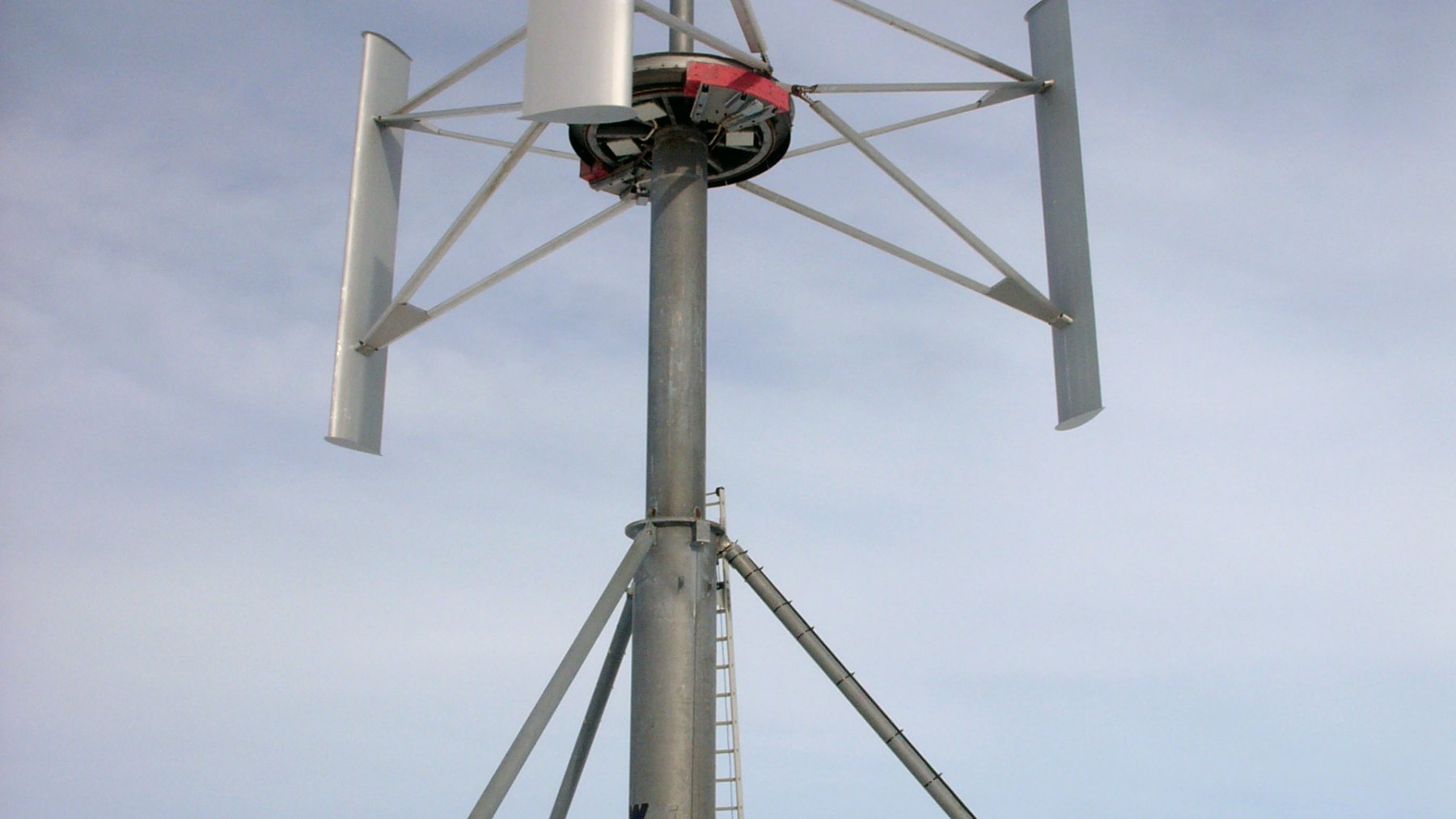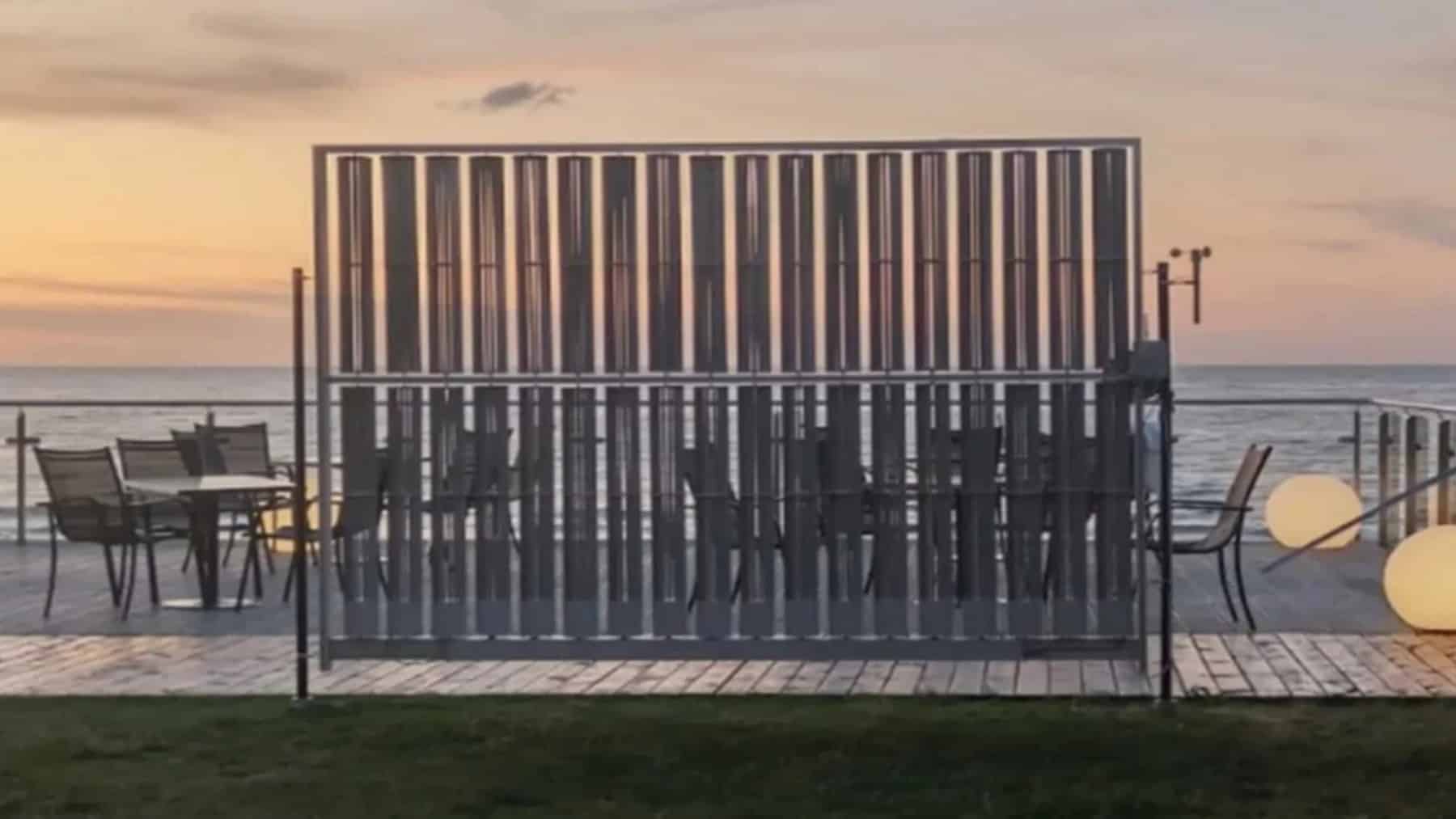
Could a quiet revolution be unfolding in Europe, and could this revolution be so hushed that no one in America knows about it? Introducing a futuristic Danish fence that not only protects citizens’ properties but also powers citizens’ homes. The Vind Panel is a modular wind turbine system that can produce up to 5 kW of electricity, making it possible to offset significant residential power usage. The new wind fence has been created to operate silently while looking sleek and functioning even in low wind conditions.
Redefining the future of wind energy in urban spaces
The Vind Panel surely flips the script on traditional wind turbines commonly linked with rural wind farms, high costs, and regulatory headaches. This futuristic fence was created by a Polish-Danish startup, and it consists of compact vertical wind turbines encased in a panel frame, allowing the panel frame to double up as a fence, wall installation, or even a rooftop unit.
A quality that makes these panels more attractive is the fact that they have been aesthetically designed to suit the environment and address the major criticisms of wind power infrastructure. Wind power infrastructure does not have an appealing visual impact. An added beauty is that these towering turbines can dominate the rural landscapes since the installations are quiet, bird-safe, and unheard of in residential settings. An added advantage is that these panels generate power 24/7, rain or shine, day or night, complementing solar energy, which is not as effective in cloudy or nighttime conditions.
Created with sustainability in mind
The Vind Panel generates clean energy but works on producing this energy sustainably. All of the panels are made from recycled materials such as reused metals and plastics, supporting a circular economy model. The company is further geared towards robotic automation in manufacturing, reducing production costs, and scaling up far more efficiently.
Alongside material sustainability, the product has been created to last. It has an approximate 50-year lifespan, with the modular design allowing for damaged parts to be swapped out. Durability and the low-maintenance profile makes it a long-term investment for eco-conscious consumers and municipalities. These Vind Panels have been created with sustainability in mind like that of the free, infinite and invisible panels.
Versatile: used in backyards and on highways
A core feature that makes these panels attractive is its versatility. These panels can be installed as a standalone unit in a backyard, used as fence for private properties, or can even be used along highways and airports as an energy generator and an acoustic barrier. These panels can be used for industrial sites, schools, and government buildings, and as photovoltaic panels for hybrid energy systems.
Incorporating these panels into the energy grid
Vind Panel can produce up to 400 kW for larger installations, which is more than enough to power multiple homes or contribute meaningfully to local grids. Having so much power, this system has gotten the attention of energy companies in Poland, such as Energetyka Cieplna Opolszczyzny (ECO) that is backing its development.
The startup has earned recognition by winning innovation awards, resulting in serious interest from investors and local governments. With mass production, the technology is hoped to become more affordable and easily accessible to everyday homeowners.
Why is America not showing interest?
Perhaps due to a lack of awareness, regulatory inertia, or market barriers, the conversation about this wind fence has not hit American shores and could be costing the U.S. a major opportunity in the race toward clean energy. American energy stakeholders need to start paying attention to the future of energy.
This 5 kW Vind Panel may be more effective than the 2-kW star-shaped wind turbine that is said to beat solar panels.