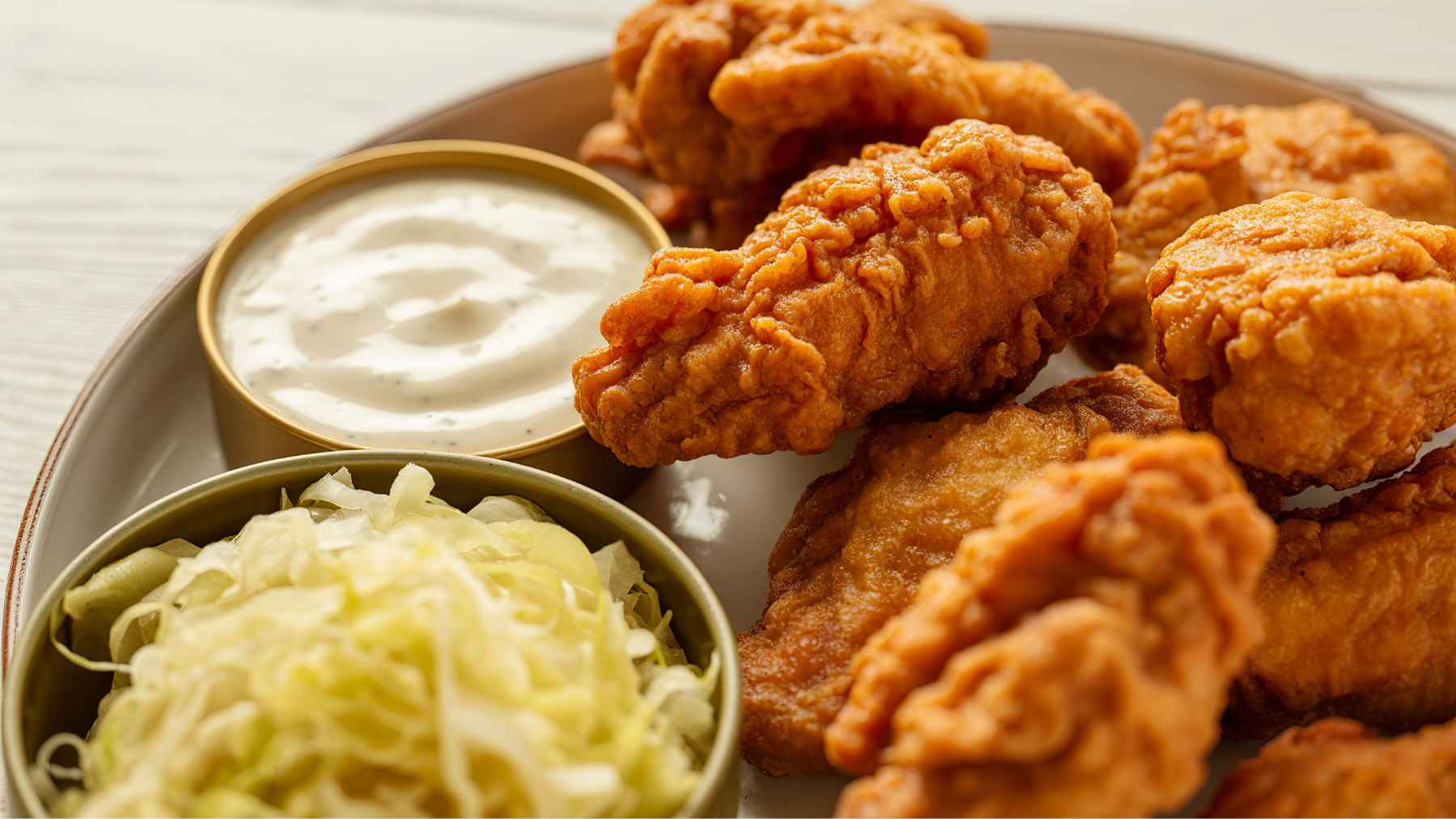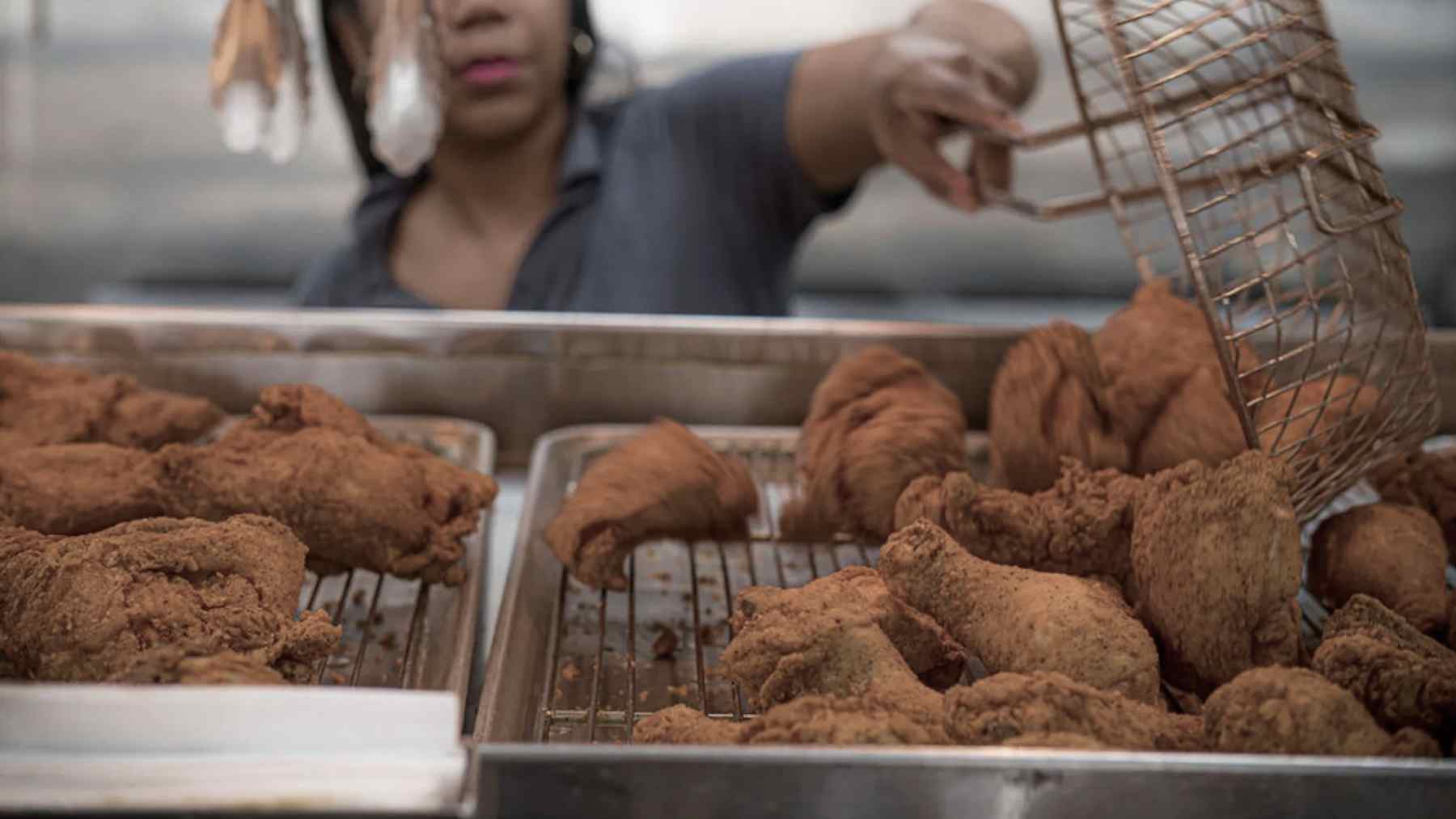
What does a Houston fried chicken chain have to do with climate change, food waste, and the air around us? More than it seems at first glance.
This month, Frenchy’s Chicken quietly drew a line in the sand. CEO Ernest Hunter II announced that two Houston locations, one on Rankin Road and another on Almeda Road, are no longer authorized to operate under the Frenchy’s name because they did not meet the company’s standards.
In his statement, Hunter told customers that protecting the Frenchy’s name, the food, and especially the experience people expect is a priority. He also reminded fans that nine locations remain authorized in Houston, with two more on the way in Port Arthur and Rosharon.
For most diners, that sounds like a story about branding and quality control. Hot chicken stays hot. Dirty rice tastes the way it “should.” The cup of fruit punch feels familiar. But in a world where our food system is responsible for roughly a third of global greenhouse gas emissions, it has become harder to separate the taste on our plate from the pressure on the planet.
A local decision in a much bigger food system
Frenchy’s is a Houston institution with roots going back to 1969 in the city’s Third Ward, when founder Percy “Frenchy” Creuzot first blended New Orleans flavors with Texas appetite.
So when the company publicly cuts ties with two outlets that fail to live up to “the Frenchy’s standard,” people notice. The company has not said what went wrong at those specific stores. The message focuses on consistency, reputation, and the customer experience, not on environmental performance or animal welfare.
That silence is common in the industry. Fast food chains are quick to reassure customers about portion size, seasoning, or wait times. Much less often do they talk about the energy that keeps fryers running, the plastic in every takeout bag, or the emissions from the chicken supply chain that eventually show up in the atmosphere.
Fried chicken and the climate tab
Zoom out from one Houston brand to the wider food system and a different picture appears.
Agrifood systems, which include everything from growing feed grain and raising animals to transporting, cooking, and throwing away food, account for about one third of human made greenhouse gas emissions worldwide.
Restaurants carry a heavy share of that burden. In the United States, an estimated 11.4 million tons of food are wasted every year in restaurants, both full service and quick service combined. Globally, food loss and waste generate about 8% to 10% of annual greenhouse gas emissions, a larger share than the entire aviation sector.
Inside a busy kitchen, most of that waste is invisible to customers. A batch of overcooked chicken, unsold sides at closing time, rejected orders, and oversized portions all quietly head to the trash. Studies suggest that in the United States more than 80% of unused restaurant food ends up thrown away rather than donated or composted.
The protein on the plate matters too. Swapping beef for poultry can cut climate impacts for a typical diet, yet large-scale chicken production still relies on intensive energy use and generates methane and nitrous oxide from manure, both powerful greenhouse gases.
So every fried chicken combo has a hidden receipt, one that never appears on the paper slip near the cash register.
What should “meeting standards” mean now
Frenchy’s move is about brand protection, not directly about sustainability. That is clear from the CEO’s own words. At the same time, his decision raises a simple question.
If a location can lose its name for failing to meet taste or service expectations, could franchises one day face the same consequences for wasting too much food, using outdated equipment, or ignoring greener packaging options?
In practical terms, that could mean setting clear benchmarks for energy-efficient appliances, tracking how much food lands in the dumpster each night, or favoring suppliers that cut their own climate impact. None of this would be visible to someone grabbing a quick lunch in the drive through line, yet it would change the environmental footprint of every order.
For now, these ideas remain mostly voluntary. Many smaller chains, especially regional favorites like Frenchy’s, operate on thin margins and face plenty of day-to-day challenges without adding new sustainability targets. Utility bills are already painful in a hot Houston summer. Swapping to low-waste packaging or installing high-efficiency fryers can feel like one expense too many.
What diners can watch for
Customers are not powerless in this equation. Just as people learn which location keeps their favorite recipe “right,” they can also start to notice whether a restaurant recycles, offers smaller portion options, donates surplus food, or communicates anything about its environmental efforts.
Sector wide reports show that foodservice is responsible for a significant share of food waste in many countries, so every shift in practice makes a difference over time.
As Frenchy’s rebuilds its network of authorized locations, it has a chance to define “the Frenchy’s standard” in a way that goes beyond flavor and friendly service. Even a simple public commitment to cut waste or support more sustainable sourcing would signal that quality in the fried chicken business now has more than one meaning
The official statement was published on Frenchy’s Chicken’s official Facebook page.