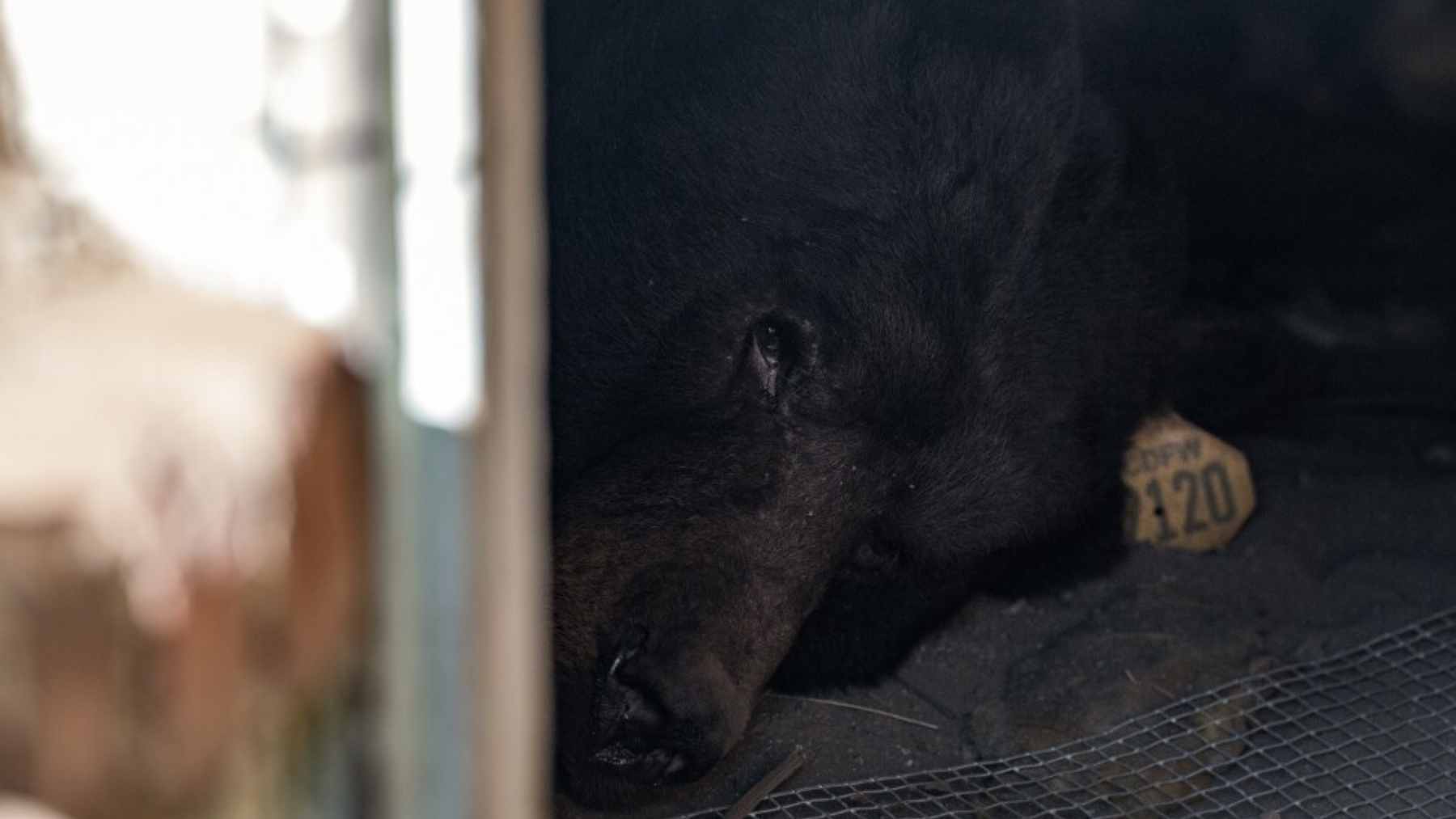
For more than a month, a 550-pound black bear turned the narrow crawl space under Ken Johnson’s Altadena home into a snug winter den. The tagged bear, known as Yellow 2120, settled in around Thanksgiving and refused to budge, even after state wildlife officers tried lures, noise makers and a large trap that ended up catching the wrong animal.
Above, Johnson listened to banging, scratching and the occasional growl while living without reliable hot water after a damaged gas line.
How the Altadena bear eviction happened
Last week, that long standoff finally ended. A volunteer team from the Lake Tahoe based nonprofit BEAR League crawled under the house, used paintball pellets to push the bear toward the opening, then helped Johnson install an electrified “unwelcome mat” at the entrance.
When Yellow 2120 tried to come back, a quick shock at the doorway convinced him to move on and the California Department of Fish and Wildlife (CDFW) later confirmed the bear was no longer under the home and the access had been secured.
Bear encounters in Altadena are becoming a pattern
What sounds like a one-off viral story is quickly turning into something larger. In the days after the original eviction, Yellow 2120 reportedly holed up under two more homes in Altadena before BEAR League again used electric mats to push him out.
Other bears have since been found beneath nearby houses, prompting headlines about a “bear invasion” and nervous neighbors sealing their foundations. Altadena, tucked against the San Gabriel Mountains, is starting to look like a case study in how quickly wild animals and suburban life can collide when the conditions line up.
Wildfire, habitat, and why bears end up under homes
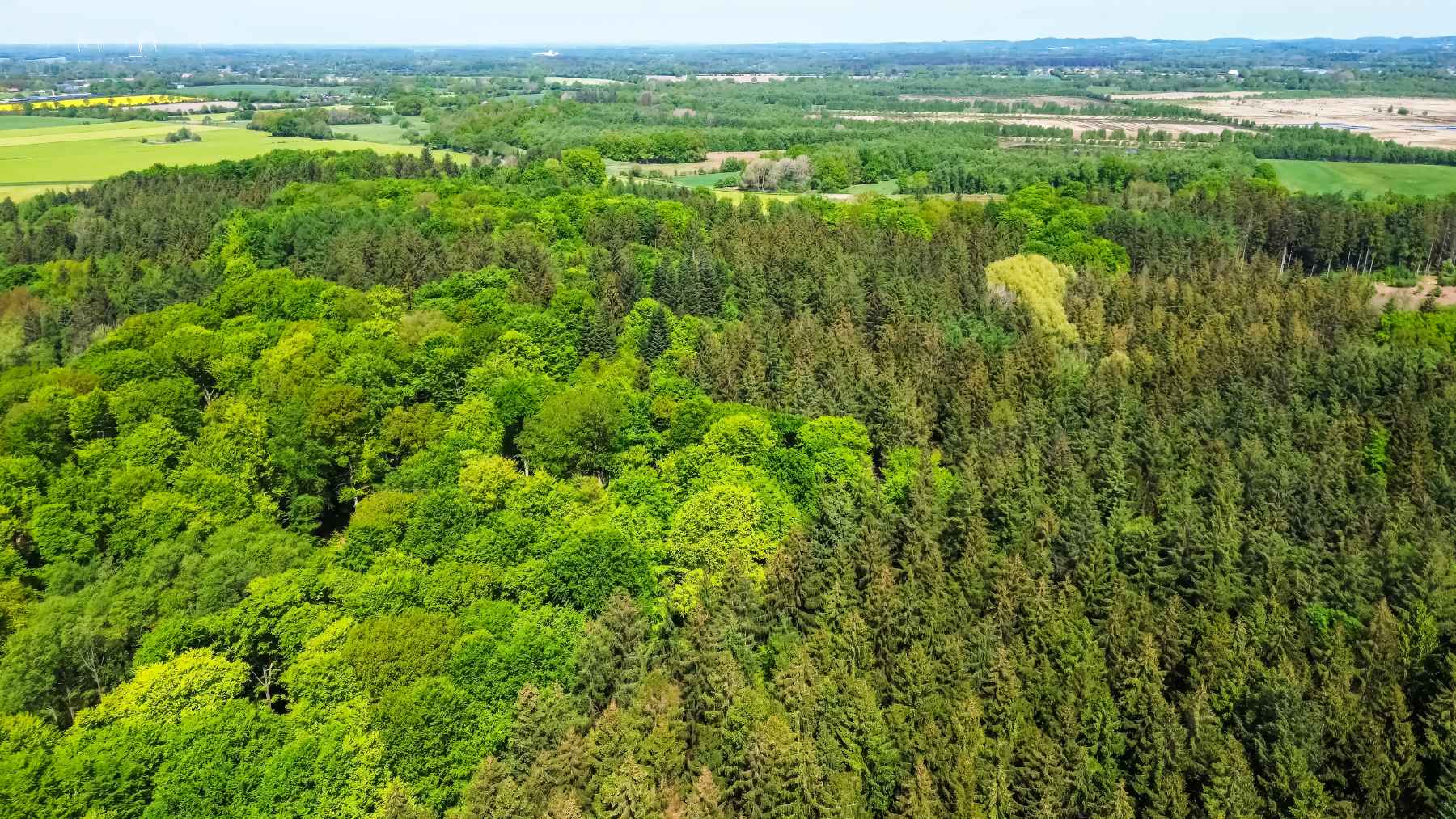
So why are bears ending up under people’s floors instead of deep in the forest? Reporters and biologists point first to fire and habitat.
The Eaton wildfire in early 2025 burned across the local foothills and pushed wildlife into nearby neighborhoods; Yellow 2120 had already been trapped and moved once after denning under another Altadena home, then found his way back.
Studies of those January fires around Los Angeles have since concluded that human-driven climate change made the extreme fire weather more likely and helped enlarge the burned area, which means more animals suddenly searching for shelter on cooler, greener ground near houses.
California black bear population and rising conflict
At the same time, California’s black bear population has quietly grown. New state analysis estimates roughly 60,000 black bears across the state, one of the largest populations in the United States, and finds that conflicts with people have climbed into the thousands in recent years.
CDFW’s updated Black Bear Conservation and Management Plan describes a population that is healthy overall but increasingly bumping into roads, trash cans and backyard fruit trees as bears explore new territory. In practical terms, that means more “Altadena moments” unless people change how they build and how they store anything that smells like food.
Coexistence tools and the role of wildlife nonprofits
Groups like BEAR League sit right in the middle of that shift. The nonprofit says it has been humanely evicting bears from under homes around Lake Tahoe for about thirty years and now handles as many as 150 such calls a year.
Their approach is simple rather than high-tech; they scare the animal out, make the space feel uncomfortable and then insist that the homeowner seal the opening so the bear is not tempted again. As the organization likes to remind residents, an unsecured crawl space in bear country is basically an invitation to a very large winter houseguest.
The real costs of living in bear country
For Johnson, the saga has been far from cute. The bear twisted gas lines, tore up ductwork and left him with thousands of dollars in repairs after a year already marked by wildfire damage and job loss, enough that he turned to a crowdfunding campaign to cover the costs.
His story shows another side of climate and wildlife impacts; even when no one is injured, the bills still arrive, along with the stress of wondering what is thumping under your feet at night. Many Altadena neighbors now find themselves weighing the price of reinforcing vents and crawl space doors against the risk of a half-ton visitor moving in.
What California’s bear debates mean next
Wildlife advocates argue that the answer is not to punish the bears but to fix the gaps people have left in the system. A petition launched on behalf of “Mello” Yellow 2120 calls on CDFW to lean more on non-lethal tools and to formally collaborate with groups that specialize in coexistence instead of defaulting to relocation or killing in future conflicts.
The state’s new bear plan similarly emphasizes securing attractants, educating communities and designing homes and neighborhoods with wildlife in mind, so that bears remain wary visitors rather than long -term tenants.
At the end of the day, Yellow 2120’s winter under the floorboards is a small story inside a much bigger one. As fires grow more intense and wild spaces shrink, California is being forced to decide how much room it will make for the animals that were here first and how much risk and responsibility people are willing to accept in return.
The press release was published by the California Department of Fish and Wildlife.