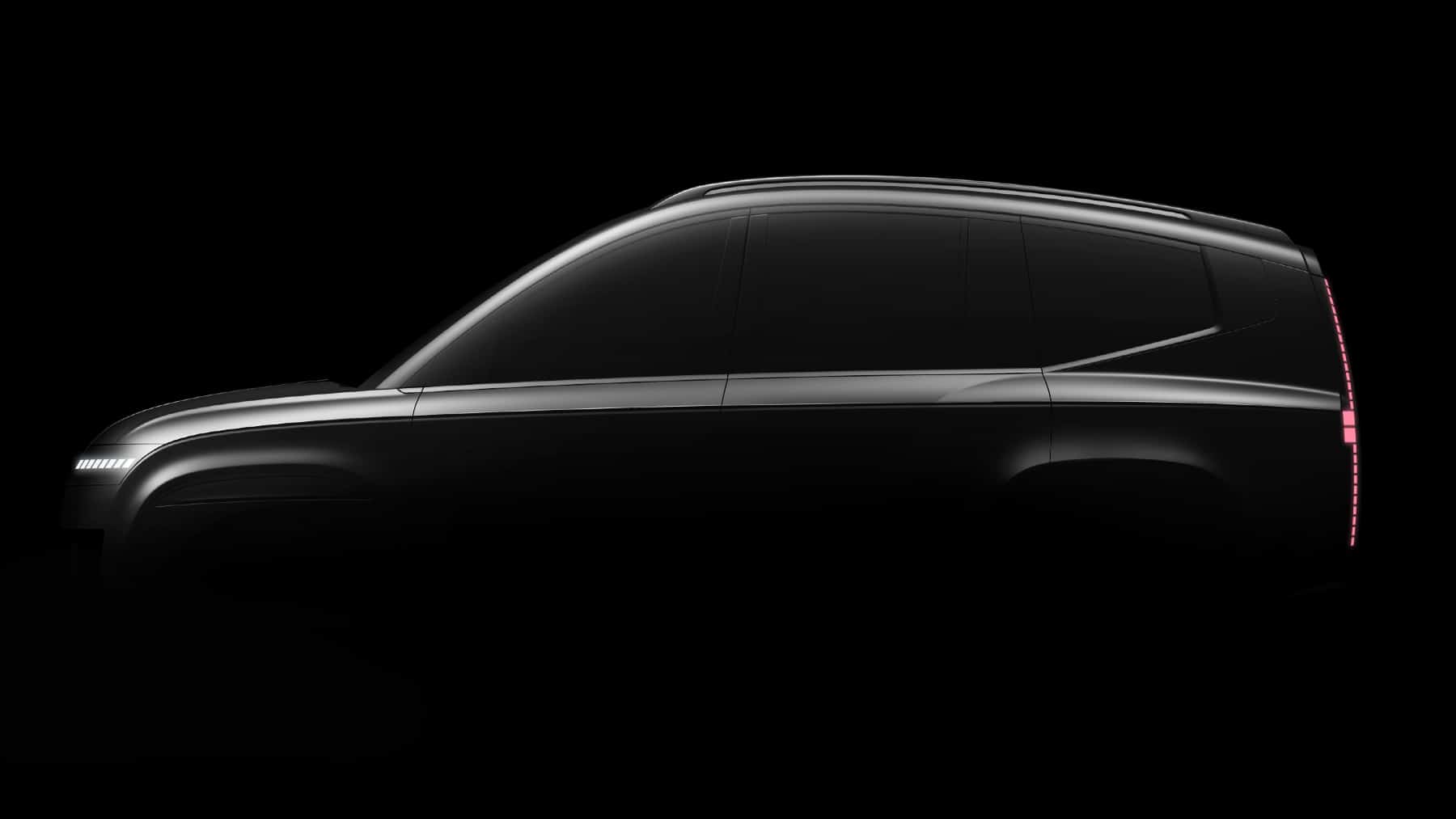
Hydrogen fuel cells and electrical technology are continuing to make their mark on the road. When it comes to alternative engine technology, automobile developers have been pushing towards advanced solutions and concepts that showcase innovation, strong performance, and a commitment to sustainability. While the internal combustion engine is still the most dominant engine seen in passenger vehicles, solutions such as electrical and hydrogen fuel-cell technology are on the rise.
The electrical engine dominates the passenger vehicle world
The electric engine has been pinned by many automobile developers as the most promising option for shifting the world away from the internal combustion engine. Today, nearly all major automobile developers have an electric vehicle on offer. In order to remain competitive in today’s passenger vehicle market, showcasing a commitment to sustainability is an essential part of automakers’ offerings.
While the electrical vehicle is the most popular alternative engine model among consumers, hydrogen fuel-cell technology is becoming a strong complement not just for automobiles but for other sectors in the transportation industry where the electrical vehicle falls short. Companies such as Toyota and Hyundai have been particularly pioneering this technology, with Hyundai recently announcing a new hydrogen fuel-cell SUV coming soon to consumers.
New hydrogen Fuel‑cell vehicle from this company
Last October, Hyundai announced that it would be releasing a brand new hydrogen fuel-cell engine SUV. Dubbed the ‘Initum’, the vehicle is part of Hyundai’s continued advancement of its hydrogen-engine offerings– where the only emission from these vehicles is water vapor, making them a cleaner and more sustainable option than the internal combustion engine.
The vehicle is still in its concept stage and is set to go into production sometime this year. The company has stated that they plan for the vehicle to have a driving range of over 400 miles with a maximum motor output of 150 kW. Additionally, the vehicle’s zero-to-100-km acceleration has been dropped by eight seconds in comparison to their current fuel-cell electric vehicle, the Nexo.
“This is outstanding acceleration performance compared to competitor FCEVs,” said Jin Hwan Jung, Hyundai senior vice president in charge of vehicle development technology, at a presentation in Seoul last year.
The vehicle will incorporate Hyundai’s third-generation fuel-cell stack with a durability increase of 40% compared to the Nexo. The design is also set to be more rugged-looking than current SUV vehicles, with a focus on exposing the materiality of the car instead of offering a sleek finish, which is a design choice often chosen for electric vehicles.
“We took a new approach of exposing the materiality as it is, and we elevated the resilience of steel to morphological beauty,” described SangYup Lee, global design head for Hyundai and Genesis.
Innovation to reach carbon-neutrality
While the electric engine continues to be the more popular choice over hydrogen fuel-cell vehicles, innovation like this from automobile companies highlights the myriad ways the transportation sector is looking at achieving carbon neutrality. While electrical engines are the preferred choice by both consumers and producers, hydrogen fuel-cell technology has been targeted as a more likely solution in sectors such as the long-haul trucking industry and the aviation industry, where the batteries required for electrical technology are a problem for these industries.
While a future without the internal combustion engine may still seem far away, certain regions are offering a glimpse of hope towards what a world without these vehicles could look like, as well as highlighting how an alternative engine future may be sooner than we think. Norway, for example, is well on its way to achieving 100% of new vehicle sales being fully electric, thanks to the country’s commitment to scaling up supporting alternative engine infrastructure and offering incentives for the purchase of these vehicles.
Disclaimer: Our coverage of events affecting companies is purely informative and descriptive. Under no circumstances does it seek to promote an opinion or create a trend, nor can it be taken as investment advice or a recommendation of any kind.