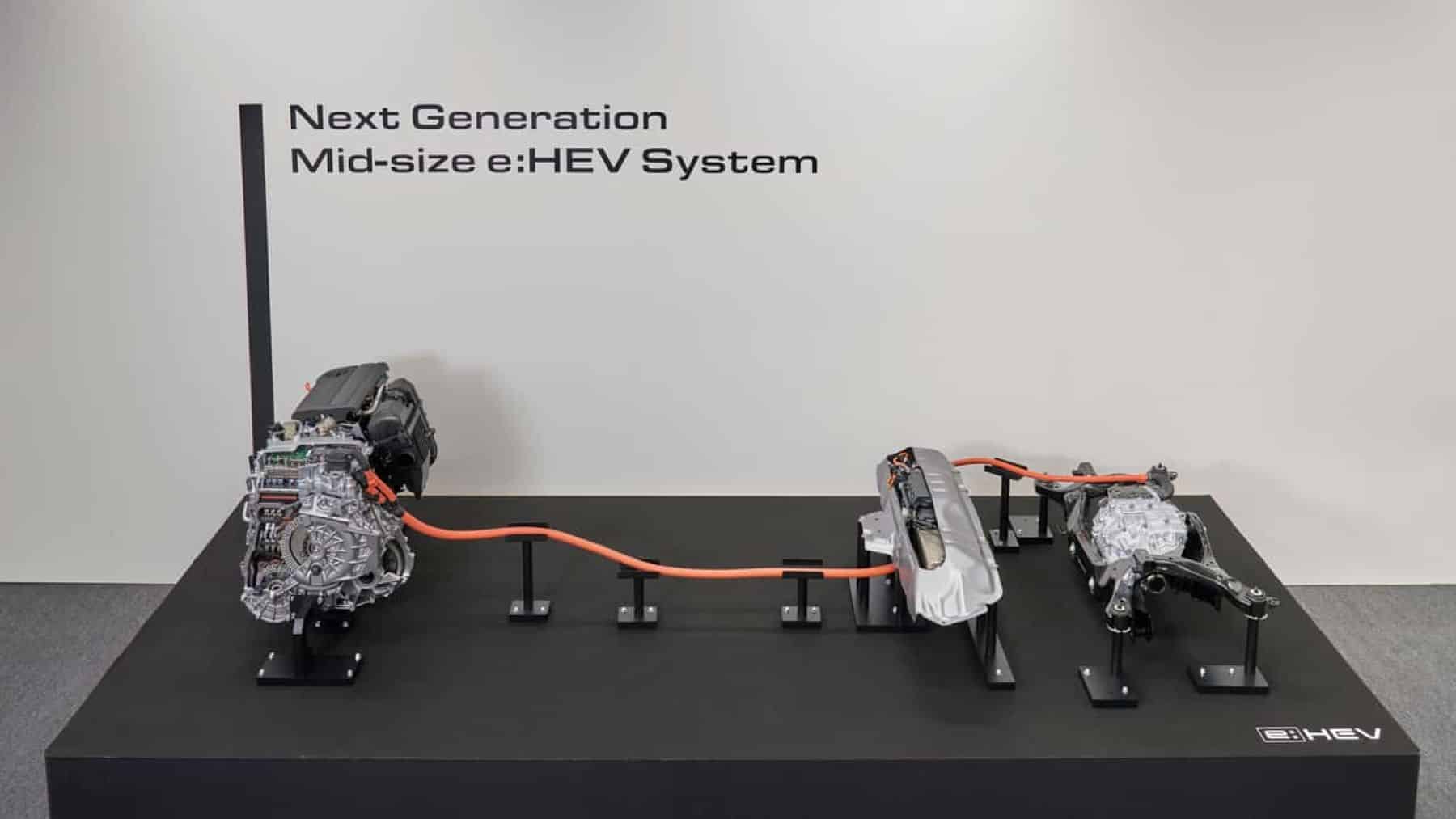
Japanese automobile companies have been producing some of the most innovative and futuristic alternative engine solutions in the past decade. While Toyota has taken up the most significant spotlight in terms of its leading hydrogen fuel-cell engine, companies such as Honda have continued to pull their weight in terms of advancing vehicle engines. Honda has recently released their two-motor hybrid electric engine. While not a hydrogen-focused engine, the engine holds significant potential in the electrical engine field.
Japan continues to advance hydrogen
Toyota’s fuel-cell technology efforts have made Japanese automobile brands almost synonymous with this type of technology. With Toyota’s launch of the Mirai over a decade ago, the company has continued to prioritize hydrogen technology investment over electric engines. While Toyota does have its own electrical and plug-in hybrid engine solutions, the investment in hydrogen technology means that the company is promoting diverse development in the alternative engine space.
Honda has also been heavily involved in fuel-cell technology. The Japanese company recently released its own plug-in hydrogen fuel cell electric vehicle in the state of California. In addition, Honda recently announced a partnership with Japanese companies Suzuki, Kawasaki, and Yamaha to release a hydrogen-powered motorcycle. While Honda and Toyota have both been prolific in their hydrogen technology, Honda continues to impress with their electric engines, recently releasing a two-motor hybrid electric powertrain.
Honda releases new two-motor electric powertrain
Honda has been developing and improving their two-motor electric powertrain system since its 2014 debut with the Honda Accord Hybrid. The company is now on its fourth generation of the electric powertrain system, with the new engines built into the Honda CR-V (2023+), Accord (2023+), and Civic (2025+) models. Since the original engine’s debut, Honda has sold over 700,000 models in the US with this engine.
In simple terms, the two-motor electric powertrain works by using one motor to power the car while the other generates electricity. The gas engine assists both motors when needed. The car switches between running on gas, electricity, or using both at once. The change occurs depending on what is more efficient in fuel usage. The engine is capable of charging its own battery when the vehicle is stopping or braking. The new generation has a horsepower of 204 hp.
Honda has won several awards
The engine is part of Honda’s overarching goal to sell only zero-emission vehicles by 2040. Honda has received numerous accolades and awards for their two-motor electric powertrain system, including the Honda CR-V being the best-selling hybrid vehicle of 2023. This new fourth generation of the electrical powertrain was included in WardsAuto’s “Wards 10 Best Engines & Propulsion Systems” award.
Criticism of hydrogen engines
While both Toyota and Honda plan to utilize hydrogen engine systems as part of their carbon-neutrality goals, Toyota has faced criticism in the past for its continued investment in these vehicles. Some experts have argued that electric engines are much more efficient and environmentally friendly, and are the automobile world’s best option for moving away from the internal combustion engine. In addition, some argue that continued investment in hydrogen technology slows down the adoption of electric vehicles. Toyota was particularly criticized during the 2024 Summer Olympic Games for its promotion of hydrogen vehicles.
In addition, both Toyota and Honda will find that infrastructure limitations will be the biggest problem in the widespread adoption of hydrogen vehicles. While electrical engine charging infrastructure is more widespread than it was a decade ago, the same cannot be said for hydrogen technology. It is for this reason, too, that Toyota received criticism for continuing to advance hydrogen engines when there is not enough infrastructure to actually support them. However, hydrogen engines do hold potential in other transportation sectors, including air and maritime industries, where electrical technology is not suitable.