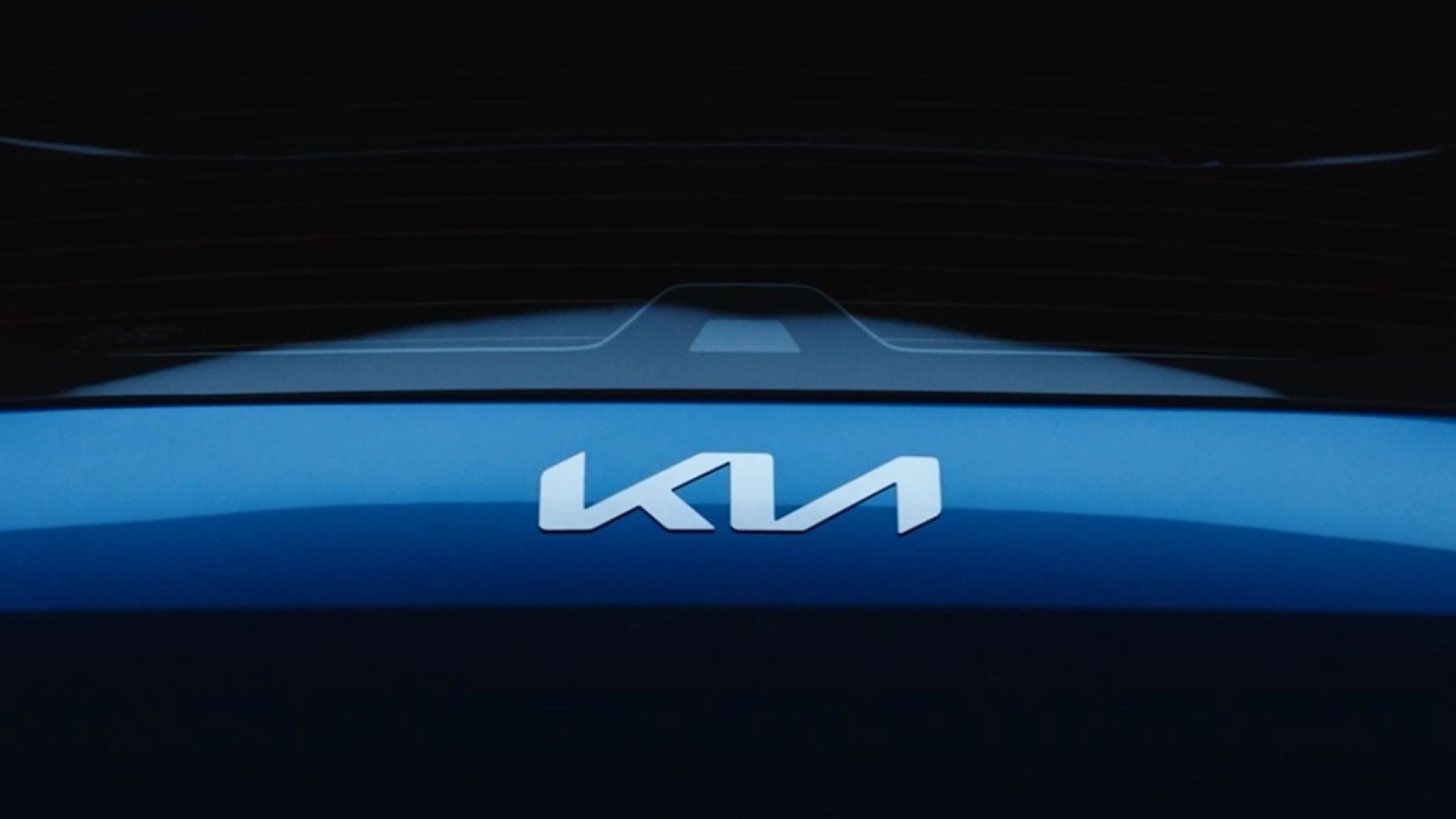
Kia America has announced a recall of over 80,000 vehicles in the United States due to a critical issue with the floor wiring beneath the front passenger seat. This problem could result in airbags and seat belts failing to deploy properly in the event of a crash, or in unintended side curtain airbag deployment. The recall affects certain 2023-2025 Niro EV, Plug-in Hybrid (PHEV), and Hybrid models.
What’s the problem with the wiring?
The recall is prompted by floor wiring beneath the front passenger seat that may become damaged over time. When damaged, the wiring can interfere with the vehicle’s safety systems, including airbags and seat belts. In the worst-case scenario, the damage could cause airbags to malfunction, either failing to deploy during a crash or deploying unexpectedly. This creates a significant risk to the safety of the vehicle occupants.
The floor wiring plays a key role in connecting various electrical components related to the airbag and seat belt systems. If the wiring becomes damaged, it compromises the ability of these systems to function properly when needed most, such as during a collision. Kia is not the only automaker who has been involved in recent mass recall of vehicles amidst safety concerns.
Which vehicles are affected by the recall?
The recall affects a specific range of Kia vehicles: approximately 80,255 units of the 2023-2025 Niro EV, PHEV, and Hybrid models. These vehicles were identified due to the risk posed by the wiring beneath the passenger seat. Kia is advising owners of these affected models to take immediate action and contact their local dealerships.
The recall does not extend to other Kia models or earlier years, focusing only on the 2023 to 2025 Niro series. Kia owners who are unsure whether their vehicle is affected should consult the official recall notification or check with an authorized dealer for clarification.
What Kia is doing to address the issue
To resolve the issue, Kia has committed to inspecting, repairing, and rerouting the floor wiring assembly on the affected vehicles, as necessary. This will be done free of charge to vehicle owners. In addition, dealers will install protective covers over the wiring to prevent further damage and reduce the risk of the safety system malfunctioning.
Kia plans to notify affected vehicle owners by mail in March, informing them about the recall and the steps they should take. The company will provide detailed instructions on how to schedule repairs at local Kia dealerships. As part of the recall process, dealers will inspect the affected vehicles and make the necessary adjustments to ensure that safety systems, including the airbags and seat belts, function as intended.
This recall follows another significant safety-related recall in November, where Kia and its sister company Hyundai recalled over 208,000 electric vehicles to address a separate issue with the 12-volt battery charging system. While different from the current wiring issue, both recalls highlight Kia’s ongoing efforts to ensure the safety and reliability of its vehicles. The company has demonstrated a commitment to addressing manufacturing defects and making necessary repairs to maintain consumer trust and safety.
The Niro models involved in this recall represent Kia’s push toward more environmentally friendly vehicles, with the Niro series being popular in hybrid and electric vehicle markets. This makes the recall especially important, as it affects a range of vehicles that consumers often view as alternatives to traditional gasoline-powered models.
As automakers shift toward more sustainable solutions, the rise of alternative engines, particularly electric and hybrid powertrains, has become a major trend. Companies like Kia are leading the charge with their expanding lineup of electric and hybrid vehicles, responding to consumer demand for eco-friendly options. This transition is part of a broader industry-wide push to reduce carbon emissions and reliance on fossil fuels. With advancements in battery technology and government incentives, more manufacturers are investing heavily in these alternative engine solutions, transforming the future of the automotive industry.