Can Mars really make lightning in air so thin and cold? A new Nature study says the Red Planet can produce tiny spark-like discharges, though not in the dramatic sky-splitting way we know on Earth.
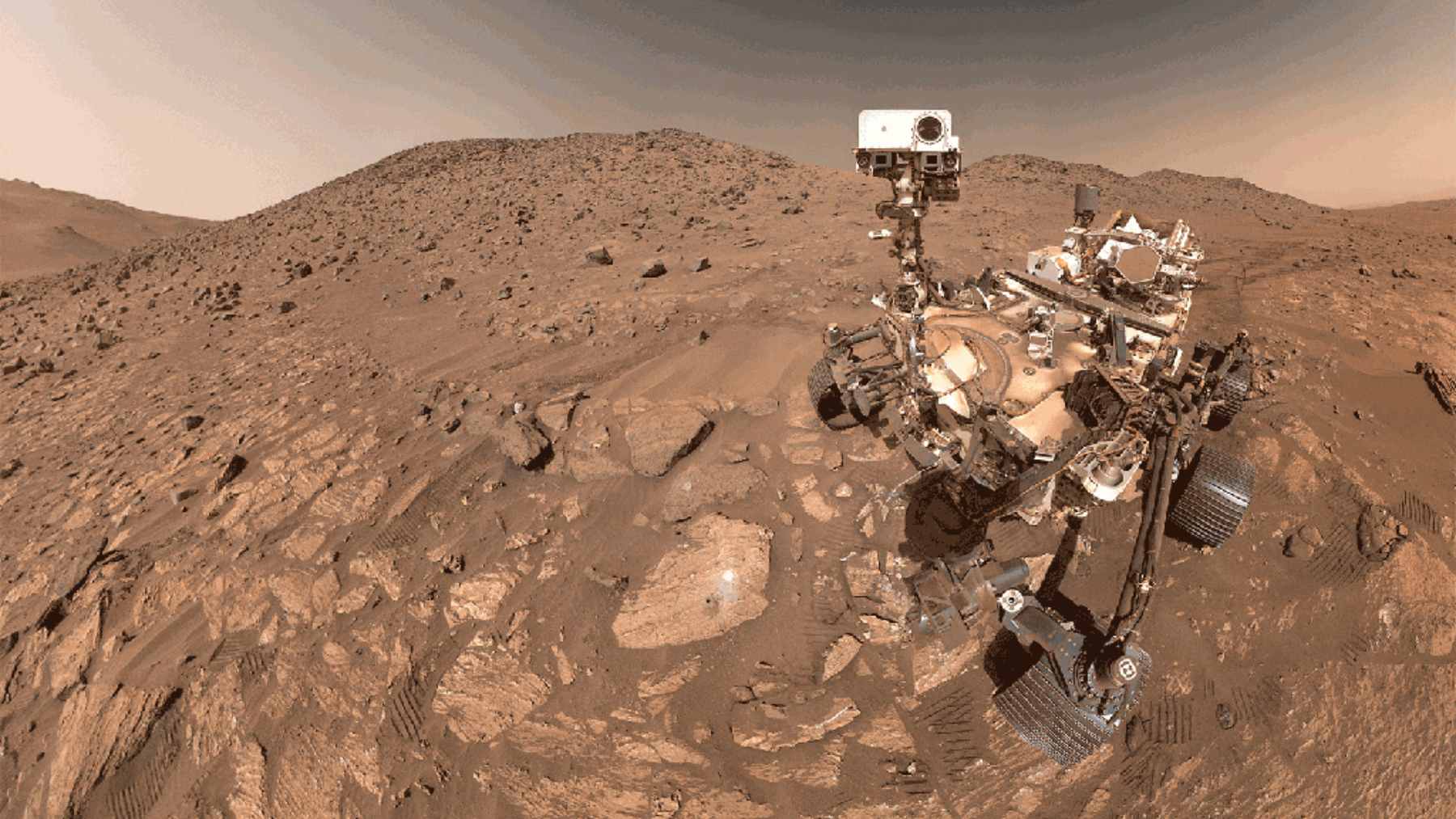
NASA’s Perseverance rover detected these events inside dust devils and dust storm fronts, giving scientists the first direct evidence that Mars’s atmosphere can become electrically active.
That may sound like a small technical result, yet it touches some of the biggest questions about Mars.
The sparks may help create highly oxidizing chemicals, disturb surface organics that scientists hope to study, influence how dust moves through the air, and raise new concerns for the robots and future astronauts that will have to work in that gritty, static-filled environment.
What Perseverance actually heard
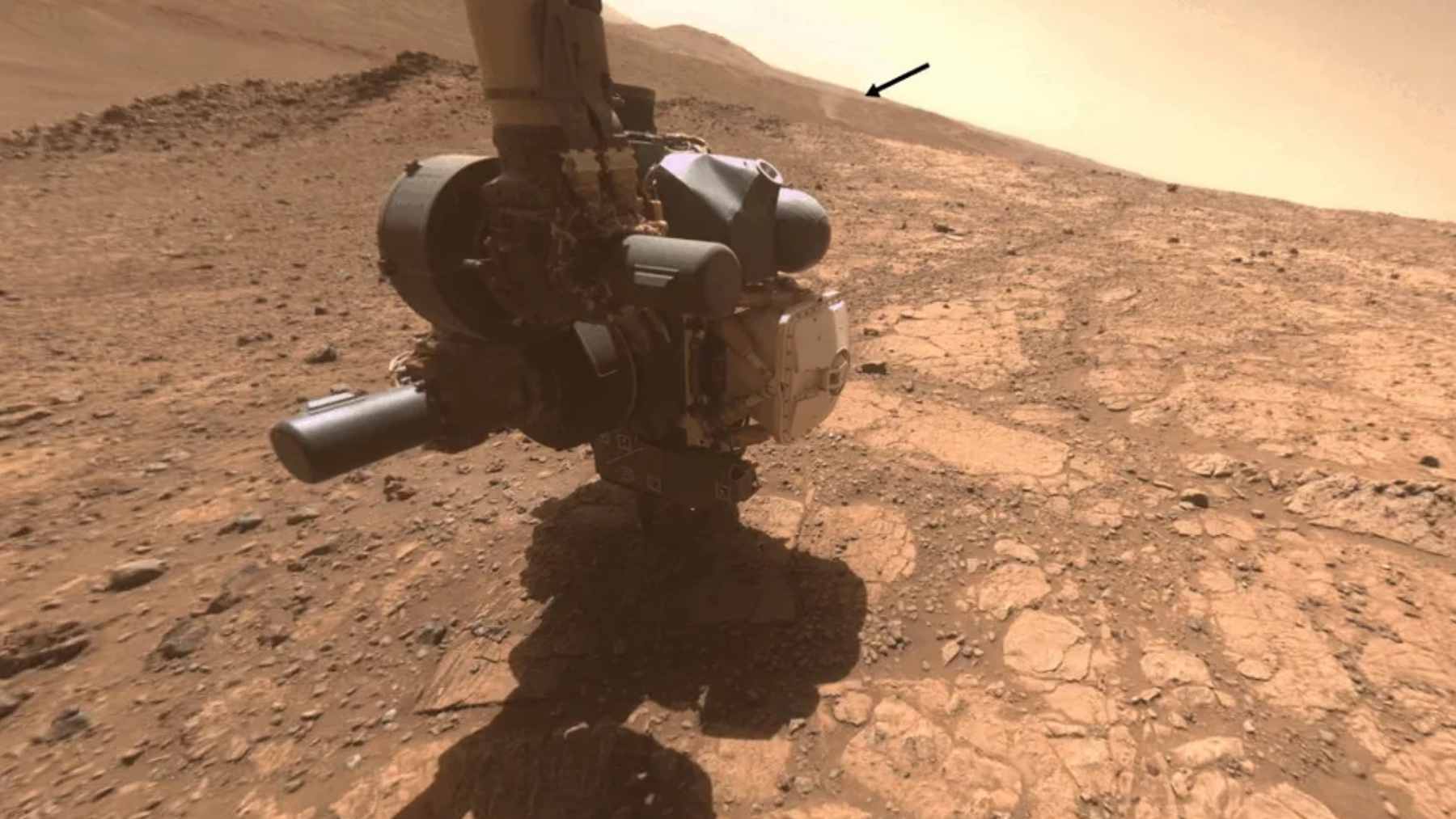
This was not a giant bolt flashing across the sky, or the kind of thunder that rattles windows. SuperCam recorded 55 electrical events over two Martian years, with 16 detected when dust devils passed directly over the rover and 35 others linked to turbulent convective fronts during regional dust storms.
In some recordings, scientists could hear the sharp “snap” of a spark mixed with the rush of wind and even grains hitting the microphone. That matters because the team was not relying on theory alone or on a vague signal from far away.
They captured both electrical interference and an acoustic shock signature right at the surface, which is about as close as Mars gets to saying that sparks really are flying.
Why Mars can spark at all
So why would this happen on a planet with such a thin atmosphere? The answer is triboelectric charging: the same basic effect behind the small zap you get after shuffling across a carpet or touching a doorknob on a dry day. On Mars, swirling dust grains rub together, swap charge, and can then release it as tiny arcs.
Mars also makes the process easier than Earth does, at least near the surface. According to the study, electric fields can reach the breakdown threshold of the Martian atmosphere, on the order of several tens of kilovolts per meter.
NASA’s summary adds another important twist, with localized turbulence and active dust lifting appearing to matter more than dust abundance by itself.
Why it took so long to prove
Scientists have suspected electrical activity on Mars for decades, but direct proof kept slipping away. Perseverance’s SuperCam microphone was built to study laser shots, rocks, wind, and ambient sounds, yet it also turned out to be sensitive to electromagnetic disturbances from nearby discharges.
Sometimes science moves forward because an instrument catches more than anyone expected, and that happy accident mattered here.
Nature notes that the microphone sampled only a tiny fraction of time during the mission’s first two Martian years, averaging one 167-second recording every two sols. Even with that limited listening window, researchers still found 55 events.
That underscores how easy it would have been to miss this phenomenon before a rover was finally able to hear it in the first place.
What the chemistry could mean
Here is where the story gets bigger. The paper and official statements say these discharges may help create a more reactive electrochemical environment and speed up the formation of highly oxidizing compounds such as chlorates and perchlorates.
Those substances can damage organic molecules on the surface and alter other atmospheric compounds, which is a big deal when scientists are trying to reconstruct Mars’s environmental history.
That does not mean Mars is suddenly off the table in the search for ancient life. But it does mean scientists may need to think harder about how fragile chemical traces survive on a planet where dust can literally make sparks.
CNRS and NASA also say the effect could help explain why methane may vanish faster than expected, although that part remains an open scientific question rather than a settled answer.
Why future missions should pay attention
There is a very practical side to all this. Mars is a dusty world, and both NASA and CNRS say the charges involved in these discharges are likely to influence dust transport while also posing risks to electronic equipment.
Add future human missions to that picture, and the discovery starts sounding less like a curiosity and more like the kind of engineering problem planners need to factor in early.
The finding also matters because mission designers need to know which weather hazards are routine and which are rare. SuperCam has already collected more than 30 hours of Martian audio, and this result shows that listening can reveal processes cameras alone may miss. Small sparks, big consequences.
The official statement was published on NASA’s website.