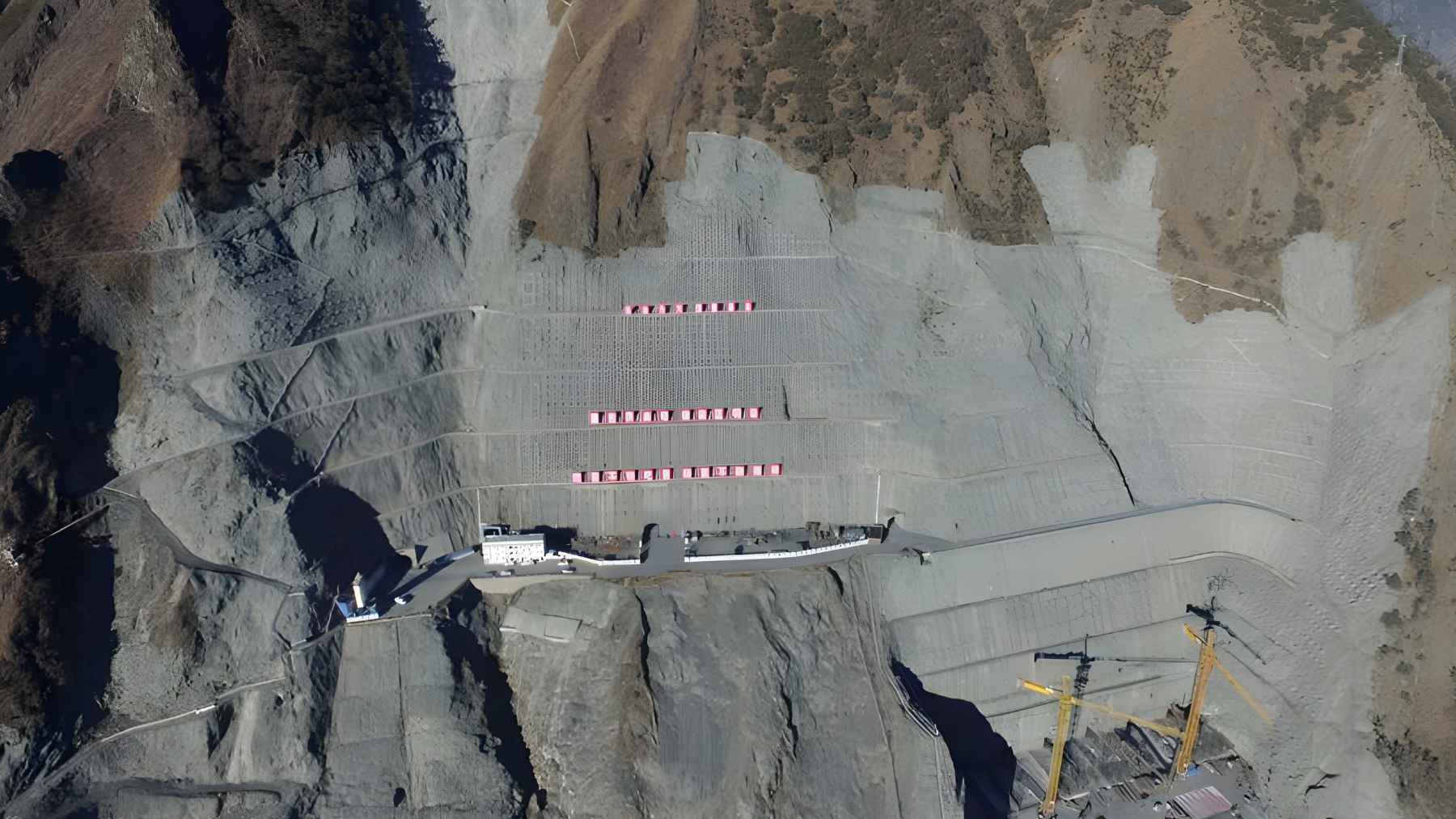
In southern Mexico, bulldozers and rail crews are reshaping one of the narrowest slices of land on the continent. Millions of tons of earth are being moved to finish the Interoceanic Corridor of the Isthmus of Tehuantepec, a 303 km rail bridge that links the Pacific and the Gulf of Mexico.
Officials present it as a modern dry canal that can rival the historic Panama Canal and help keep global trade moving even when water runs short.
A rail bridge across a biodiversity hotspot
The corridor connects the ports of Salina Cruz on the Pacific and Coatzacoalcos on the Gulf through upgraded tracks, highways, and a string of industrial parks.
Official planning documents describe a logistics platform designed for heavy container trains, with the main rail line stretching a little over 300 kilometers and engineered for port-to-port journeys in under six hours. Planners say the system could eventually move around 1.4 million containers per year.
On paper, that sounds like efficiency. Trains move large volumes of freight using far less fuel per ton mile than trucks, and several studies suggest rail can cut freight-related greenhouse gas emissions by roughly three quarters when it replaces long-haul road transport.
For shippers tired of watching vessels queue for canal slots, the idea of loading goods onto a train for a same day crossing has obvious appeal.
Climate stress in Panama, pressure on Mexico
Part of the timing is no accident. In 2023, an unusually severe drought dropped water levels in Gatún Lake and forced Panama Canal authorities to cut daily transits by roughly one third and impose draft limits.
A new study led by scientists at Northeastern University and published through the American Geophysical Union warns that such extreme low water years could become common by the end of the century if global emissions stay high.
Each ship that crosses Panama uses tens of millions of gallons of fresh water to operate the locks, water that also supplies cities. When that system strains under drought, companies look for backup routes. At the end of the day, that is where Mexico’s dry canal steps in.
A greener option that could still fuel new emissions
From a climate angle, a shorter route that combines efficient rail with sea transport can avoid thousands of extra miles at sea when the canal is restricted, and it can support nearshoring of factories closer to North American consumers. In theory, that means lower fuel use and less CO2 per product that eventually lands on a store shelf or in a driveway.
Yet the corridor is not only a railway. Federal plans include gas pipelines, refinery linked projects and up to fourteen industrial parks along the route.
Environmental reporters who reviewed a government risk assessment found that large parts of the isthmus, one of Mexico’s most biodiverse regions, could be transformed into continuous industrial zones with polluted rivers, degraded soils and declining wildlife if safeguards fail.
Communities, safety and the real test ahead
For Indigenous communities and small towns along the tracks, the project is already changing daily life. Researchers and local organizations document conflicts over land, complaints about insufficient consultation and fears of territorial dispossession as land prices and speculation rise.
Those tensions sharpened after a passenger service on the Interoceanic Train derailed in December 2025 in Oaxaca, killing at least thirteen people and injuring nearly one hundred. The tragedy raised questions about construction quality and oversight on a corridor that is being rolled out at high speed to capture global freight.
So the environmental balance of Mexico’s dry canal will not be decided only by glossy images of new trains or promises of faster deliveries.
It will depend on whether rail freight truly replaces more polluting routes, whether industrial parks respect forests and rivers, and whether frontline communities get a real say in how this new trade artery grows.
The scientific study on future drought risks for the Panama Canal was published on AGU Newsroom.