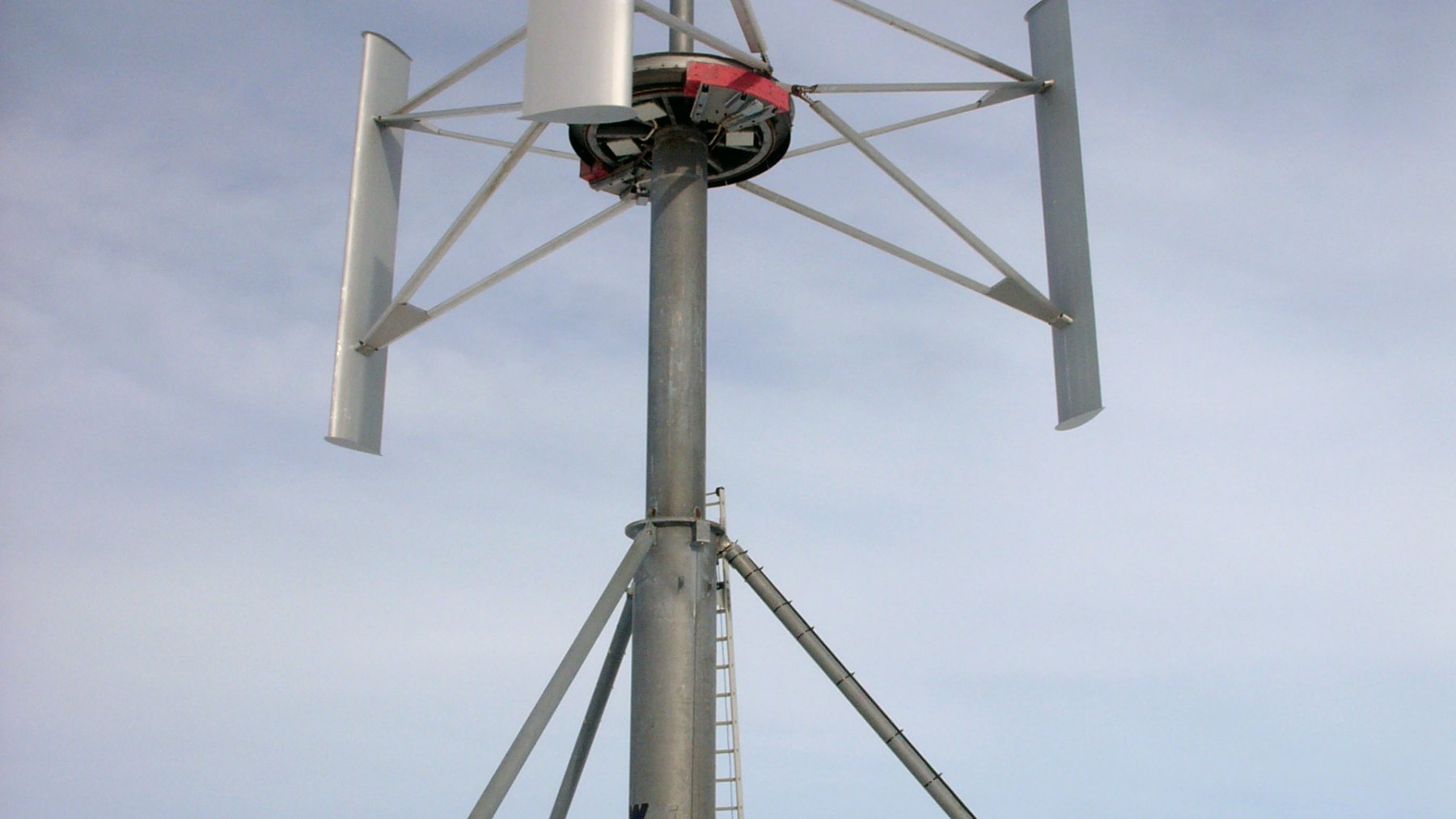
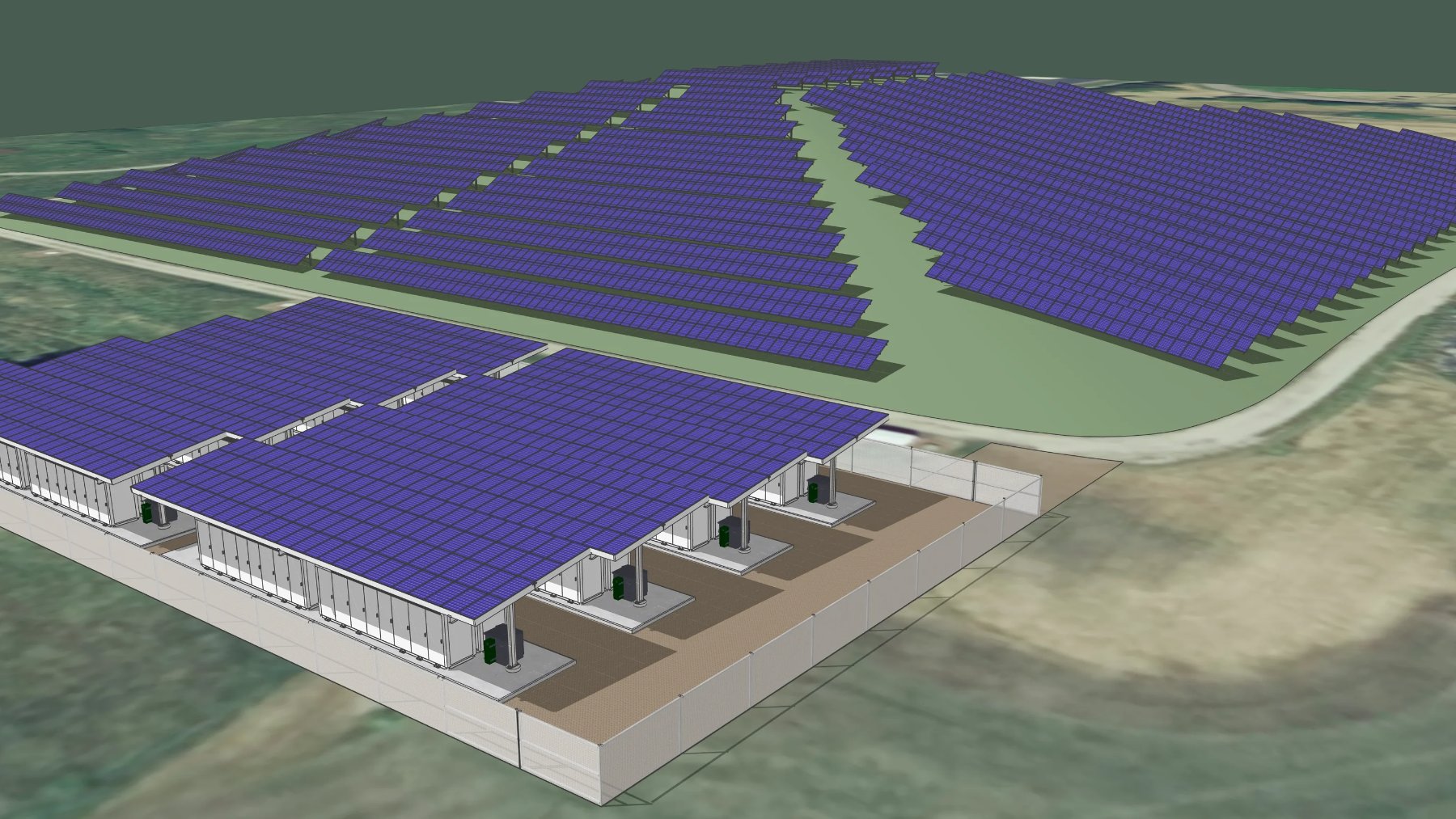
One of the largest projects on Earth is underway in Western Australia, with the future of energy slowly taking shape. The largest renewable energy project is called the Western Green Energy Hub (WGEH), and it promises to restructure the way in which the world produces and exports green energy. Spanning over an area of 22,700 square kilometers, the project will make use of 20,000,000 solar panels and 3,000 wind turbines.
Generating energy by turning to the sun and the wind
When the solar panels and wind turbines combine, more or less 70 gigawatts of installed capacity will be generated, which will result in more than 200 terawatt-hours (TWh) of energy annually. Producing more electricity than Australia produced back in 2023, how can this project not be seen as one of the largest projects on Earth?
The focus behind WGEH falls on its sustainable energy mission of utilizing green hydrogen and ammonia. In relying on solar power and wind turbines to generate sustainable power for homes and businesses, the project will work on using all excess energy generated to produce green hydrogen. Approximately 3,5 million tonnes of green hydrogen will be generated yearly.
For transportation and storage purposes, the green hydrogen will be turned into green ammonia. The green ammonia will be exported throughout the Asia-Pacific region, and it’s expected that the greatest demand for such green ammonia may come from countries like Singapore.
Seven phases of construction are on the cards that will be ongoing for 30 years, and the purpose is to allow for about 35 independent energy hubs online by 2050. While those are the longer-term plans, the main focus is on ensuring Australia is less dependent on coal and gas. In doing this, Australia will become quite the global power hub.
Looking at 20,000,000 solar blankets on a desert scale
In terms of the desert environment where such plans will be put in place, durable infrastructure and cooling systems may be necessary. InterContinental Energy and CWP Global are just some of the companies that are also looking at technological improvements to align with the expectations of the project.
Australia’s investment in undersea export cables and port infrastructure will ensure that electricity gets delivered instantly to Singapore. Australia is looking at similar technology to the SunCable project for this large-scale project. Challenges are to be expected as this is such a large-scale project, but it’s yet to be seen if Australia is up for the challenge.
An innovative project that means so much more than innovation
While the WGEH is an innovative project, it extends beyond a mere innovation in favor of addressing pressing climate concerns. Since wildfires, heatwaves, and more drastic weather changes have been felt by the Australian population and by people throughout the globe, such a renewable energy project is most important.
While this is a rather large-scale and globally intertwined project, Australia is not just stopping with this sustainable energy project. Australia has also planted a second solar tree producing 555 kW, and artificial photosynthesis that is set to beat coal and hydrogen.
WGEH- a new way of thinking of energy independence globally
Should the WGEH be successful, it will be the core turning point in how we see energy independence as more countries look at expanding international cooperation in order to make the transition to greener and cleaner power. Since over 200 TWh of renewable energy is expected to be produced yearly, such a large-scale project can power up millions of homes. The goal is to achieve net-zero emissions by 2050.
Australia may soon embrace cleaner energy on a rather global scale, causing other countries to consider energy independence initiatives as well. Being called the world’s most significant energy project and one that is set to achieve higher decarbonization efforts, the
WGEH is producing almost unknown energy at this energy hub. Millions are talking about the WGEH that will see
25 million solar panels and 3,000 turbines working in unison as Australia chooses to work with Asian countries, too.