NASA’s option of Elon Musk’s SpaceX to demolish the International Space Station (ISS) has been replicated. NASA is steadily seeking a replacement for the ISS; it is planned to retire in 2030. According to Ken Bowersox, director of space operations on BBC News, SpaceX has been given $843 million to create a vehicle to help bring the space station into Earth’s atmosphere, ending its use. The current structure of the ISS has been the source of significant scientific discoveries.
Nonetheless, the infrastructure in the station has worn out, and NASA’s maintenance expenses are steep; therefore, it has resorted to controlled deorbiting. The deal signed with SpaceX by NASA has global implications regarding technology and politics: The future of space travel, consequences of deorbiting structures that are friendly to the environment, and numerous questions regarding the fact that space exploration is now in the hands of private companies like SpaceX.
What the future holds: Transitioning from the ISS to lunar and Mars missions
The ISS has powered space research for over two decades, supporting experiments that expanded general human understanding in biology, physics, and astronomy. According to SES, the current transition away from the ISS is changing the focus of space exploration from the aim of Earth orbit to the Moon and Mars. The Artemis program of NASA and many other space exploration agencies indicate the arrival of a new age of lunar bases and human missions to Mars.
This transition is a part of NASA’s general plan: to increase human presence beyond low-Earth orbit. However, the ISS has been a place of collaboration, and changing the status quo may disrupt existing collaborations between space-faring states. In the future, the participants claimed that SpaceX, Blue Origin, and other private ventures will have a more significant role in space initiatives. It has also emerged this year that SpaceX is critical in future space missions, especially when NASA intensifies its use of commercial counterparts.
Critical concerns: The environmental impact of deorbiting the ISS
The idea of deorbiting the ISS raises many environmental concerns. The spaceship entering the Earth’s orbit measures about the size of a football field, and as it re-enters the surface, it disintegrates; what remains will likely plunge into the spacecraft graveyard, a vast part of the ocean. Thus, reentry to such a large structure raises concerns about mixing space debris and contamination with hazardous substances.
However, as some specialists emphasize, the control of the deorbiting process will be stringent, though we still require space debris laws to carry out more rigid regulations and improvements in technology for large space vehicles.
SpaceX’s “Deorbit Vehicle” is probably one of the most delicate vehicles, and they must be designed to the finest detail. The reentry process is always as hazardous as the launch process, which is challenging without well-developed technology. For this particular mission, it must be noted that SpaceX is handling it, which is why NASA trusts its technological prowess.
The evolving landscape of space exploration: Political and ethical implications
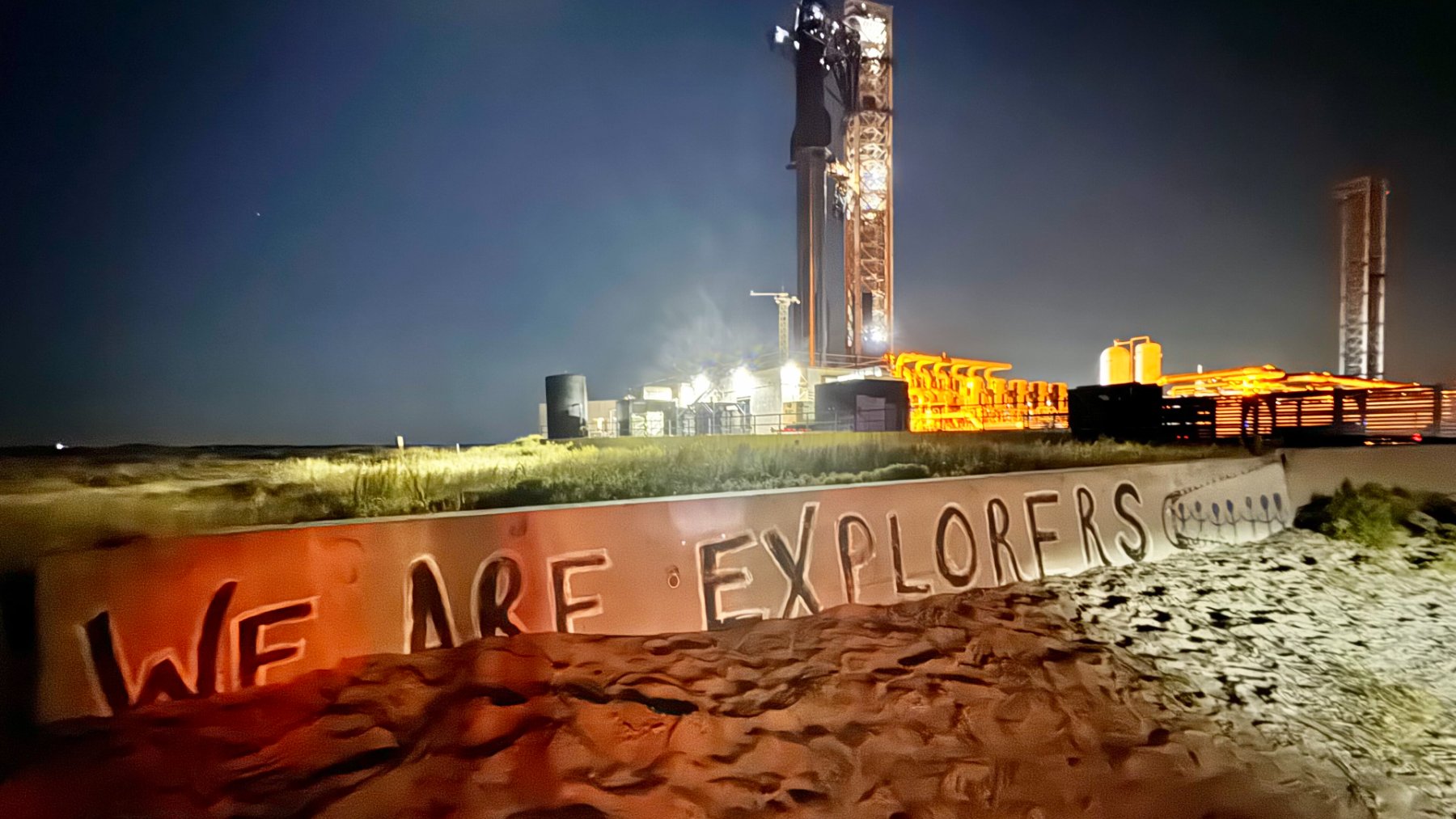
The fact that SpaceX became involved with deliberately destroying the ISS proves how private entities are increasingly maneuvering their way into the outer aerospace industry. Privatization of space missions is evident in the current deal between NASA and SpaceX. Despite the progress spurred by governmental agencies and private firm partnerships to develop and lower the cost of these technologies, the partnership inquires about ethical and political concerns.
The possibility of destroying such an important symbol of international collaboration as the ISS, a private company, might be viewed as a sign of the transfer of power relations in space exploration. The ISS has been developed with NASA, Roscosmos, ESA, JAXA, and CSA. It may cause some international actors to fear that Minardi is relinquishing responsibility for their deorbiting to a private corporation, SpaceX.
Such privatization might lead to the emergence of different accessibility and power distribution over space resources and information, as it is likely that private companies will take over significant aspects of the space. Thus, NASA’s choice of SpaceX for the destruction of the ISS signifies the completion of the kind of space exploration with its successes and problems to signify the new era.
NASA continues to look forward to the next generation of space exploration, and as the ISS closes shop, the agency now sets its eyes toward deep space. However, the controlled re-entry of the ISS by SpaceX has given rise to numerous severe environmental, political, and ethical issues. Given the increasing role of private players, global coordination and control is inevitable. A yardstick will help ensure fairness and sustainable utilization of the space.