Foldable phones and rollable TVs look futuristic, but they still have a simple problem. Every time the panel bends, it tends to lose brightness. That fading crease is one big reason most of us still use rigid glass screens.
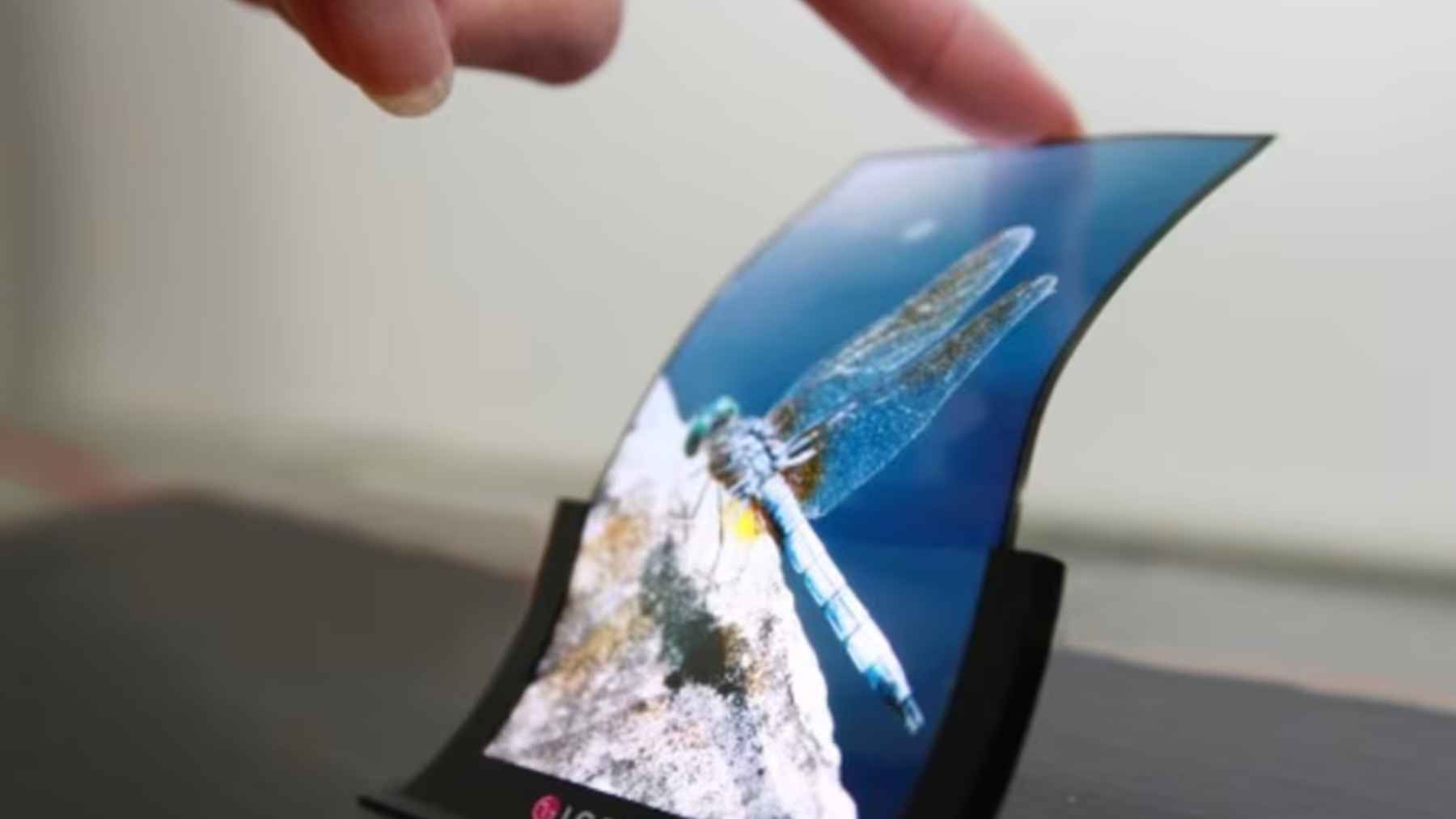
South Korea now reports a flexible organic light-emitting diode that stays bright while it stretches. In a project led by Seoul National University and Drexel University, researchers built a new OLED structure that holds its brightness through repeated bending.
According to results published in Nature, the device combines a stretchable light-emitting layer with transparent MXene-based electrodes and silver nanowires.
Why flexible OLED screens lose brightness
Conventional flexible OLEDs rely on thin, brittle transparent electrodes that carry charges into the pixels. When those layers are bent or stretched, cracks appear and the electrical paths break. Over time, a foldable screen can look duller.
For years, this trade off between flexibility and brightness has stalled the rollout of truly stretchable screens. Yury Gogotsi, a professor of engineering at Drexel University, said the new design “tackles a long-standing problem in flexible OLED technology, especially keeping the light output stable after many bends.”
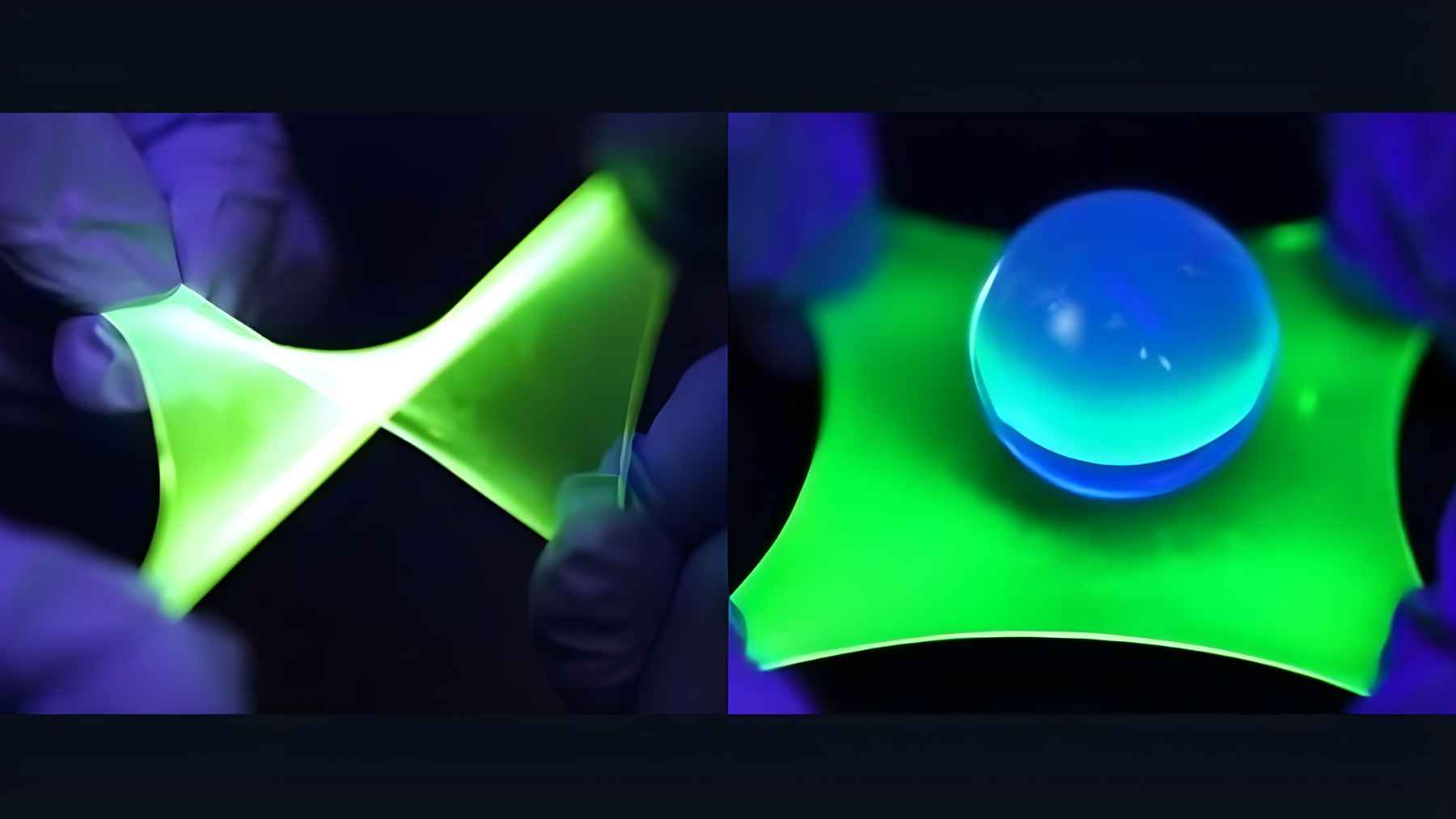
How the new material keeps light levels high
At the core of the prototype is a phosphorescent organic layer that can stretch along with the rest of the device. Inside it, tiny energy packets called excitons are created when charges meet and then release light. The researchers report that more than 57% of the energy is turned into visible brightness, significantly higher than in most flexible OLEDs.
The second key piece is the transparent electrode. Instead of standard conductors, the team used MXene, a two-dimensional nanomaterial developed at Drexel, combined with a mesh of silver nanowires. This network kept charges flowing even when the panel was stretched by up to 60% and still delivered more than 80% of its original brightness after one hundred stretching cycles.
From lab prototypes to everyday devices
Danzhen Zhang, one of the researchers, noted that making conductive materials more flexible almost always hurts light output. In this case, he said, the MXene-based electrodes “keep both conductivity and mechanical strength,” which helps the device survive repeated movement.
Early tests suggest that stretchable displays no longer have to choose between being soft and being bright.
If designs like this scale up, they could change how screens show up in daily life. Think of smartwatches that wrap around your wrist, phones that unfold without a dim crease, or soft health patches that display readings right on your skin.
In practical terms, engineers need to prove that the materials can handle many bending cycles and can be manufactured at low cost. Overall, this work points to a future in which bending a screen feels as ordinary as folding a piece of paper.
The main study has been published in the journal Nature.