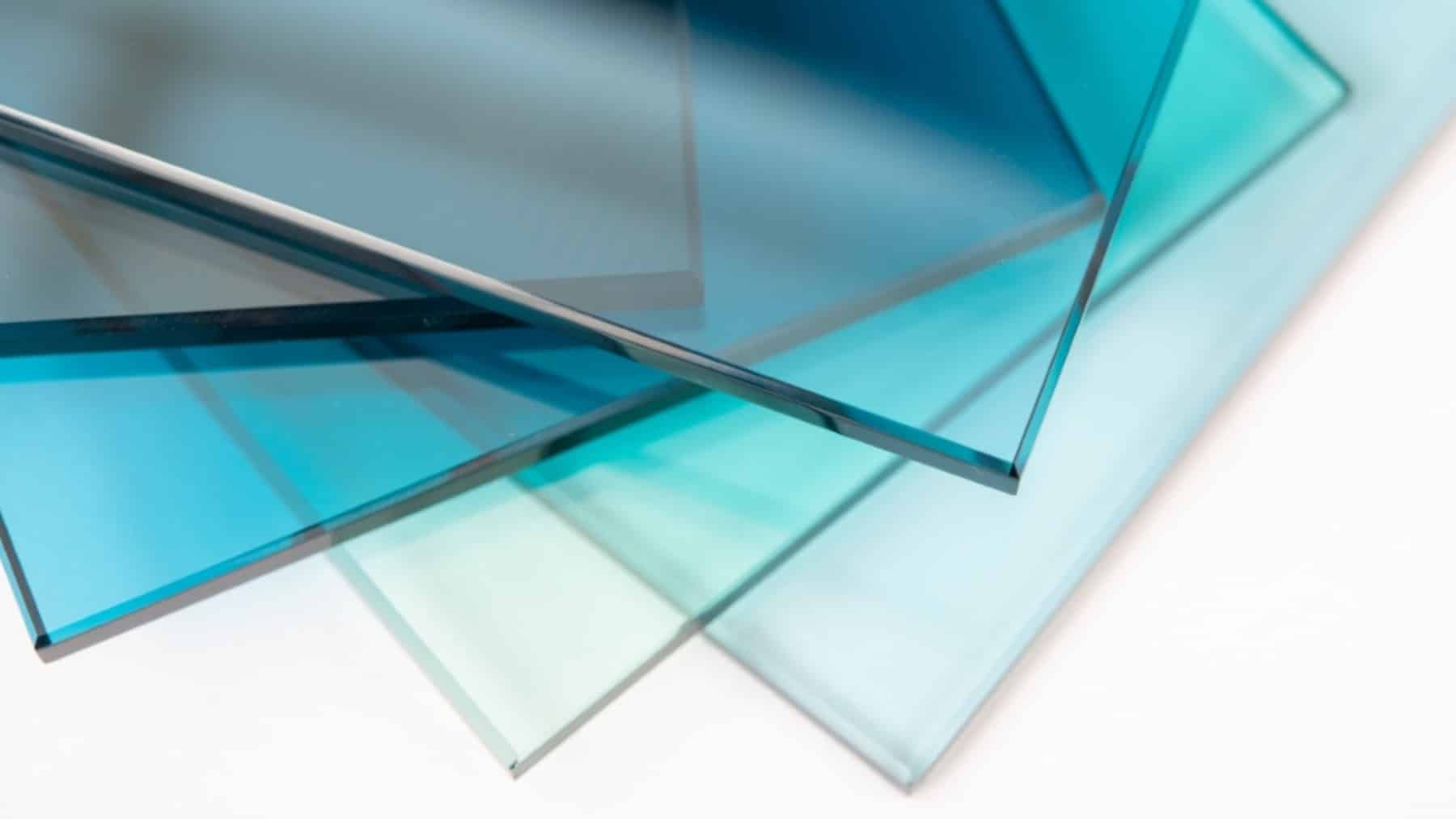
Imagine a solar panel that is basically impossible to see. Korea is putting forth the first solar panel in history that is invisible.
Thus far, the main challenge when it comes to adopting renewable energy solutions is finding space for these renewable energy solutions. Devoting an area to traditional solar panels that are on the bulkier side can pose an even bigger challenge. Imagine the possibility of generating electricity through your window or phone screen without having the appearance of your window or phone screen change in any way. Credit ought to be given to an innovation from South Korea which shows how easily a futuristic vision can become a reality.
Korea changing the solar panel game
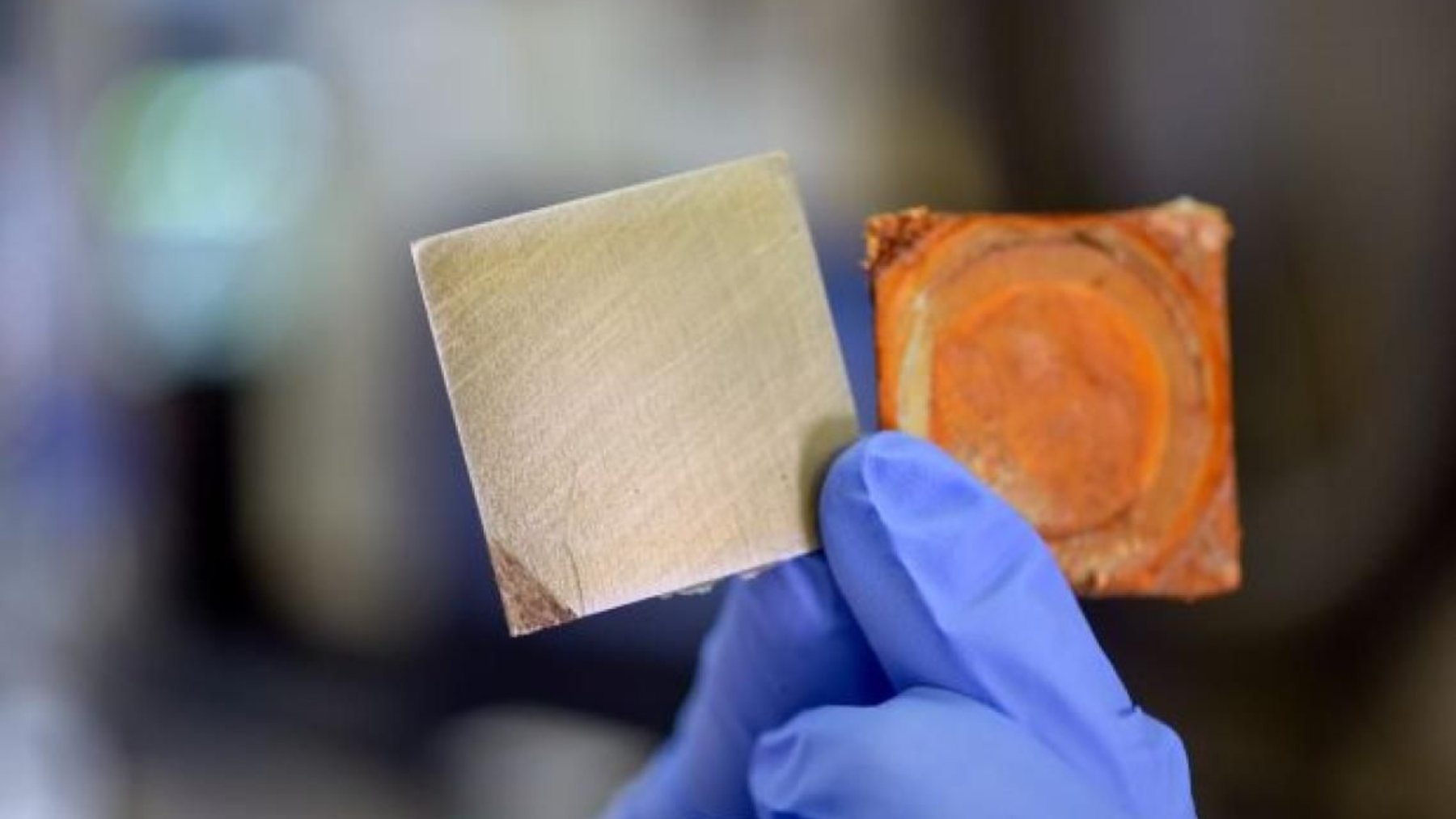
The world’s first ever fully transparent wire-free solar panel has been introduced by the Ulsan National Institute of Science and Technology (UNIST) in South Korea. This solar panel is “invisible” to the human eye. Although it’s the first of its kind in history, it also revolutionizing how we integrate solar power into our daily lives.
Drifting away from previous transparent solar technologies that battled with an obstructive wing or low efficiency, this invisible solar panel uses an all-back-contact (ABC) design. As simple as ABC, all electrical connections are hidden on the rear of the solar cell thus allowing the cell to maintain its clean, transparent appearance which is similar to that of a glass window. Another rather significant feat in the transparent photovoltaics field is that this module achieved an impressive power conversion efficiency (PCE) of 14.7%.
As has been detailed in the journal, Proceedings of the National Academy of Sciences, the transparent solar panel utilizes crystalline silicon (c-Si) which is also found in more traditional panels. However, the UNIST team reengineered the c-Si to ensure the same performance with visual transparency. Invisible solar panels are set to reach the solar market soon with the unveiling of the first invisible solar cell.
The inner workings behind this transparent panel
Transparent solar cells don’t work by absorbing visible light but rather by capturing ultraviolet (UV) and near-infrared (NIR) light, which is invisible to the human eye. These wavelengths are then redirected to photovoltaic strips hidden along the panel’s rear. In the rear, the energy gets converted into usable electricity. While the panel looks and functions like ordinary glass, the functionality is only noticed when you check your power meter.
UNIST’s researchers were able to achieve an average visible transmittance of 20%, meaning that most natural light passes through unaffected, making these panels perfect for use on windows, and displays. Materials such as titanium dioxide (TiO₂) and nickel oxide (NiO) also play vital roles in ensuring the panel’s performance. While these materials are effective at absorbing UV light, they are also non-toxic and eco-friendly.
The journey ahead for these transparent solar panels
While Europe’s multicolored solar panels inspired by butterflies unleashed a new era of solar panel glory, these transparent solar panels may be paving the way forward to a more fruitful journey in the transparent solar panel realm.
“This study fundamentally solved the aesthetic problem of existing solar cell modularization,” explained Professor Kwanyong Seo of UNIST. Although these transparent solar panels are quite the breakthrough, some challenges still lay ahead before invisible solar becomes mainstream. Some of the challenges include that of cost and efficiency. The biggest hurdle is that manufacturing transparent solar panels is more complex in comparison to manufacturing traditional panels.
The gap in terms of ease between manufacturing traditional panels and transparent panels is narrowing due to ongoing research into perovskite-based materials and other advanced semiconductors. Ubiquitous Energy and other companies have already achieved near 10% efficiency in transparent panels. The hope is that as technology advances, prices of these panels will drop too. As stated by Professor Seo, the team is keen about furthering developments to make transparent panels the core of, “the eco-friendly future energy industry.”