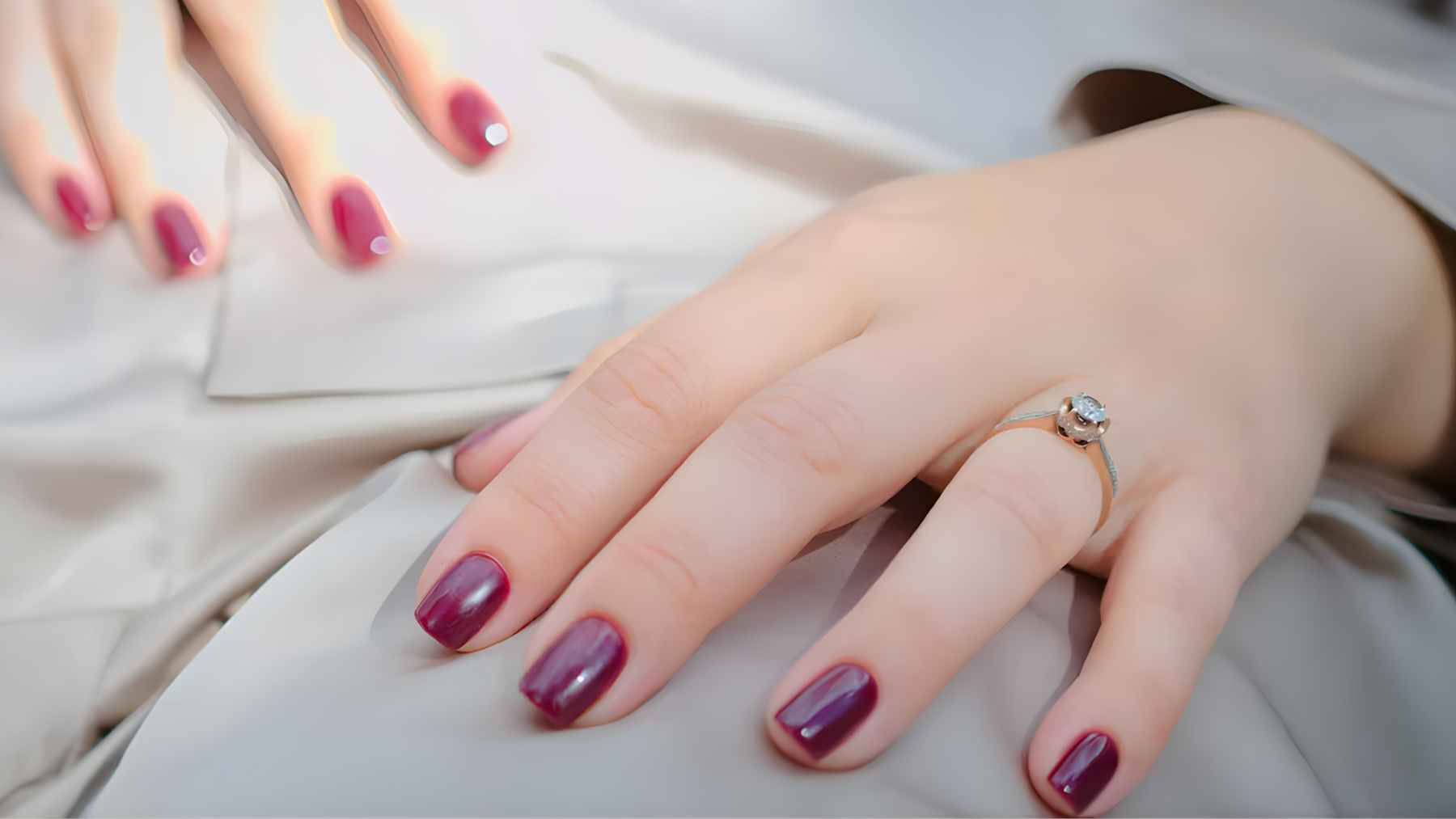
Square-shaped nails are having a moment, again. Scroll through salon menus or watch a quick manicure video and you will see that crisp, straight edge everywhere, sometimes long and dramatic, sometimes short enough for typing and texting.
So why do people keep picking it? Beauty experts and psychologists say the shape can act like a small piece of nonverbal communication, hinting at what someone values day to day, like order, practicality, or a clean, structured look. But the bigger takeaway might be simpler. Nail care itself can lift mood and ease stress for many people, and there is real research.
Why square nails are often linked to a practical mindset
In beauty reporting, square nails are commonly described as “functional” and “easy to manage,” especially compared with sharper shapes that can snag or break more easily. Nail artist Ioana Cristescu, quoted in coverage of the trend, has linked the choice to a calm, sociable vibe and a preference for efficiency and simplicity.
That logic tracks with everyday life. If you are juggling school, work, sports, or just trying not to chip polish while opening a soda can, a sturdier shape can feel like a smart compromise between style and convenience.
What psychology can and cannot say about nail shapes
Here is the tricky part. There is no established scientific test that can look at someone’s nail shape and reliably “read” their personality the way a blood test reads cholesterol.
What you can say, more safely, is that style choices often reflect priorities. In other words, choosing a neat, squared-off shape might line up with someone who likes clear lines, routines, and goal-focused thinking, but it can also be about trends, workplace rules, or simply copying a look you saw on your favorite creator.
Some writers point to broader personality ideas to explain why “calm” people may come across as deliberate rather than rushed. Physician and blogger Sandip Roy has argued in a Medium essay that quiet temperaments often think deeply and aim to be precise, even if that can be mistaken for slowness from the outside.
Nail care and emotional wellbeing, the strongest evidence so far
The most solid data here is not about the shape itself. It is about what happens when people take time to care for their nails.
In a September 19, 2023 paper, researchers Atsushi Kawakubo and Takashi Oguchi studied Japanese women who got nail care in salons or did it themselves at home. The team, working through Saitama Gakuen University and, found that nail care was tied to higher positive emotions and more relaxation, and the salon group reported stronger effects on those two areas than the self-care group.
The study also hints at something many salon regulars recognize. Light, everyday conversation with a nail tech may help, while very heavy personal sharing did not appear to boost the benefits in the same way. Think of it like a mental “reset,” not a therapy session.
Why this trend matters beyond aesthetics
If square nails feel like “you,” that can be part of building a consistent self-image. Fashion psychologist Dawnn Karen has described fashion psychology as the study of how color, image, style, shape, and beauty can influence behavior while also reflecting cultural norms.
In practical terms, that means even small grooming choices can affect confidence, motivation, and how ready you feel to face the day. Anyone who has walked out of a salon staring at their hands like they just got a tiny upgrade knows the feeling.
At the reminder level, this topic is also a reality check. Personality claims tied to nail shapes are mostly interpretation, but the mood boost from self-care is far more grounded, and it may help explain why people keep booking that appointment.
The main study has been published in Frontiers in Psychology.