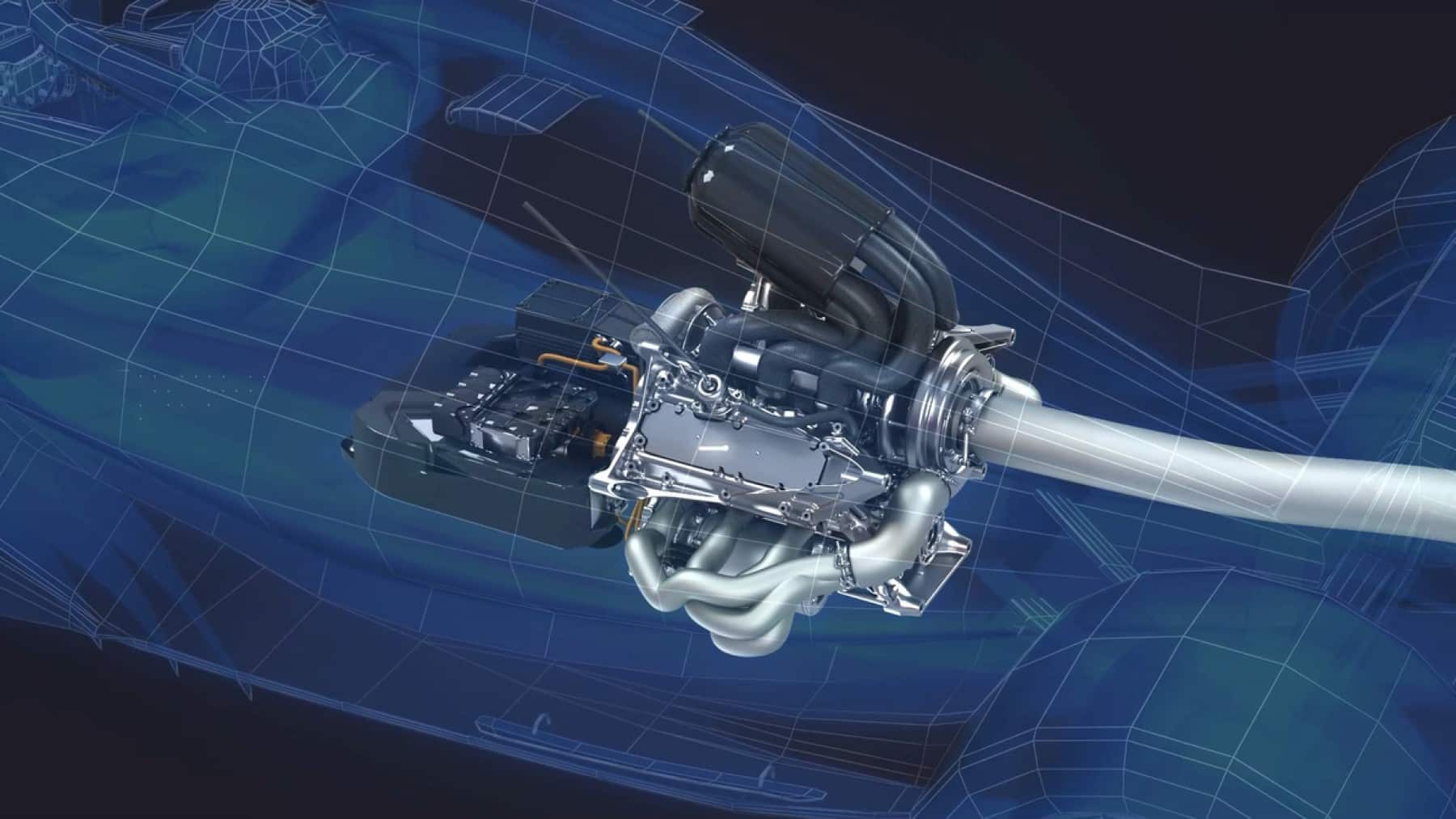
When it comes to representing both luxury and futuristic engineering, no one does it like Ferrari. The historic Italian company is hailed not only for its luxury sports car products, but also for its continuation of being forward-thinking when it comes to advancing engine solutions on and off the race track. Recently, the company has unveiled a new prototype that is unlike anything we have ever seen before, showcasing precision engineering and technological advancement.
The road towards sustainable engine solutions
When it comes to the advancement of engine solutions, sustainability has been a key area that automobile developers have been thinking about. In the past decade, alternative engine solution technology has continued to exponentially rise, with nearly all major automobile companies now offering some type of alternative engine technology in order to remain competitive, with the preferred favorite being electric engines.
As the world grapples with the imminent climate crisis and seeks to reduce harmful carbon emissions, which contribute to irreversible climate damage, the passenger vehicle industry in particular has been scrutinized for its production of the internal combustion engine. As such, companies like electrical vehicle manufacturer Tesla have been revolutionary, not only being able to produce advanced alternative engine solutions technology in order to address climate needs, but also managing to sway public perception of these solutions as being desirable and representative of the modern era.
When Tesla first launched the Roadster nearly twenty years ago, it catapulted the company into being a leader of not just electric engines but a pioneer of the alternative engine revolution in the automobile world. With competitors looking to have similar success with other alternative engine solutions, such as hydrogen fuel-cell technology, Ferrari has surprised the world with this brand-new prototype.
New prototype by Ferrari shocks the world
In an age where consumers are more concerned than ever over the current climate crisis, it would seem counterproductive for an automobile company to release a new internal combustion engine. However, this is exactly what Ferrari has done. The luxury vehicle manufacturer has recently submitted a patent for a new V12 ‘oval-piston’ designed internal combustion engine, which is unlikely to be anything ever seen before.
“As pistons have a cylindrical shape, the driving engines for vehicles of known type have some drawbacks, mainly deriving from the fact that the group of cylinders and of relative pistons has a relatively high longitudinal footprint, measured parallel to the rotation axis of the crankshaft…the object of the present invention is to provide a driving engine for vehicles without the drawbacks set forth above and which is simple and inexpensive to produce,” describes the Ferrari patent.
In essence, Ferrari is hoping to produce a smaller and more efficient V12 engine, which the company is known for, by changing the design of the pistons. While other automakers have experimented with this type of design before, such as Honda, the technology never made it to a mass production level.
Ferrari continues to advance sustainable solutions
Despite the new patent, Ferrari is not neglecting their sustainable and alternative engine obligations. Already offering electric vehicle models such as the 296 GTB, the company has continued to ensure that it delivers on both sustainability and consumer demand for internal combustion engine technology, which still dominates on the road.
In addition to electrical technology, Ferrari continues to look towards diversifying their alternative engine solutions. The company recently filed another patent for a hydrogen-powered internal combustion engine. Hydrogen technology in passenger vehicles, while not as popular as its electrical counterpart, has continued to be on the rise. The technology not only provides another avenue for automobile developers to achieve carbon-neutrality, but also ensures that developers are not relying solely on one solution for climate goals.
Disclaimer: Our coverage of events affecting companies is purely informative and descriptive. Under no circumstances does it seek to promote an opinion or create a trend, nor can it be taken as investment advice or a recommendation of any kind.