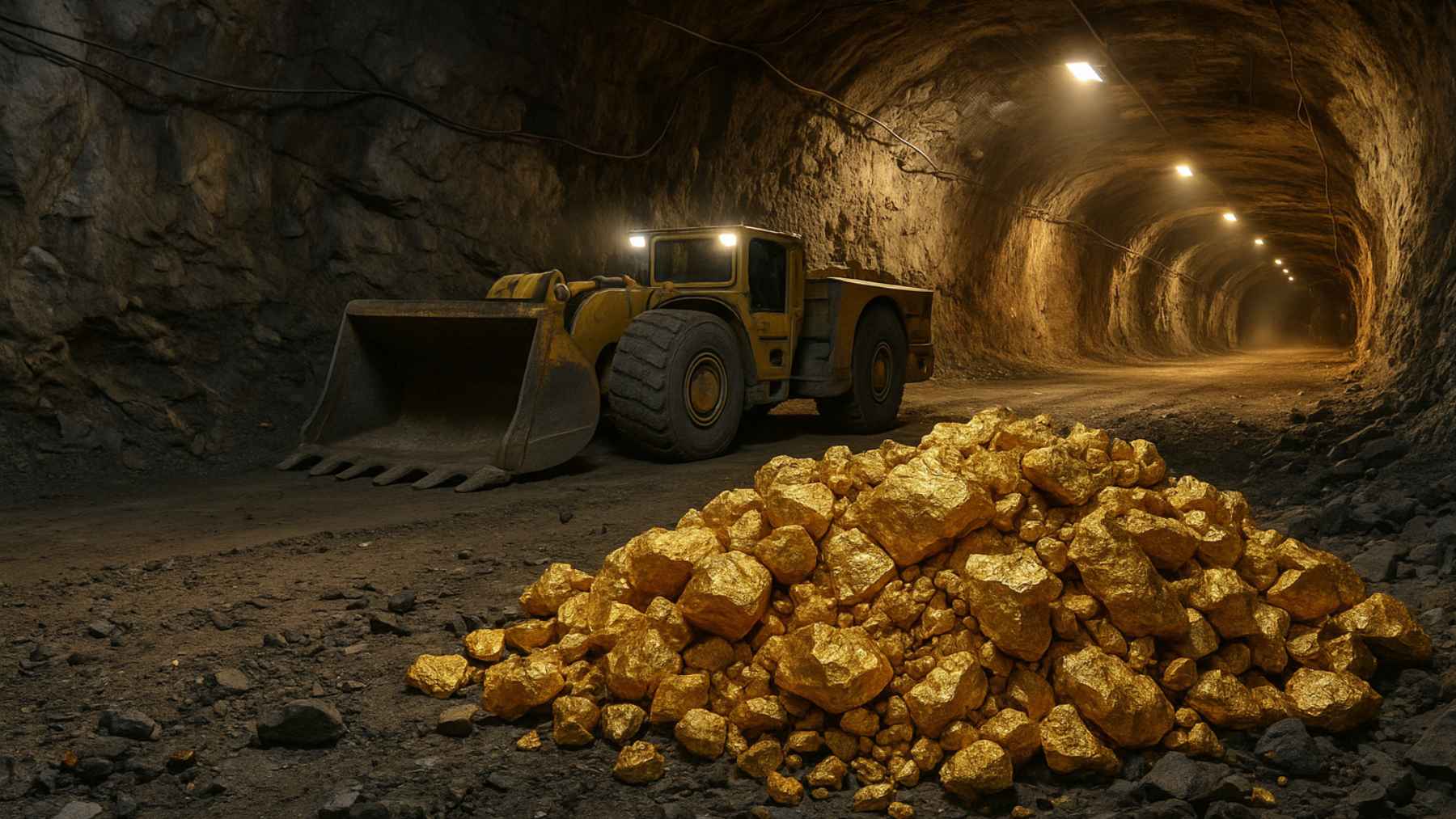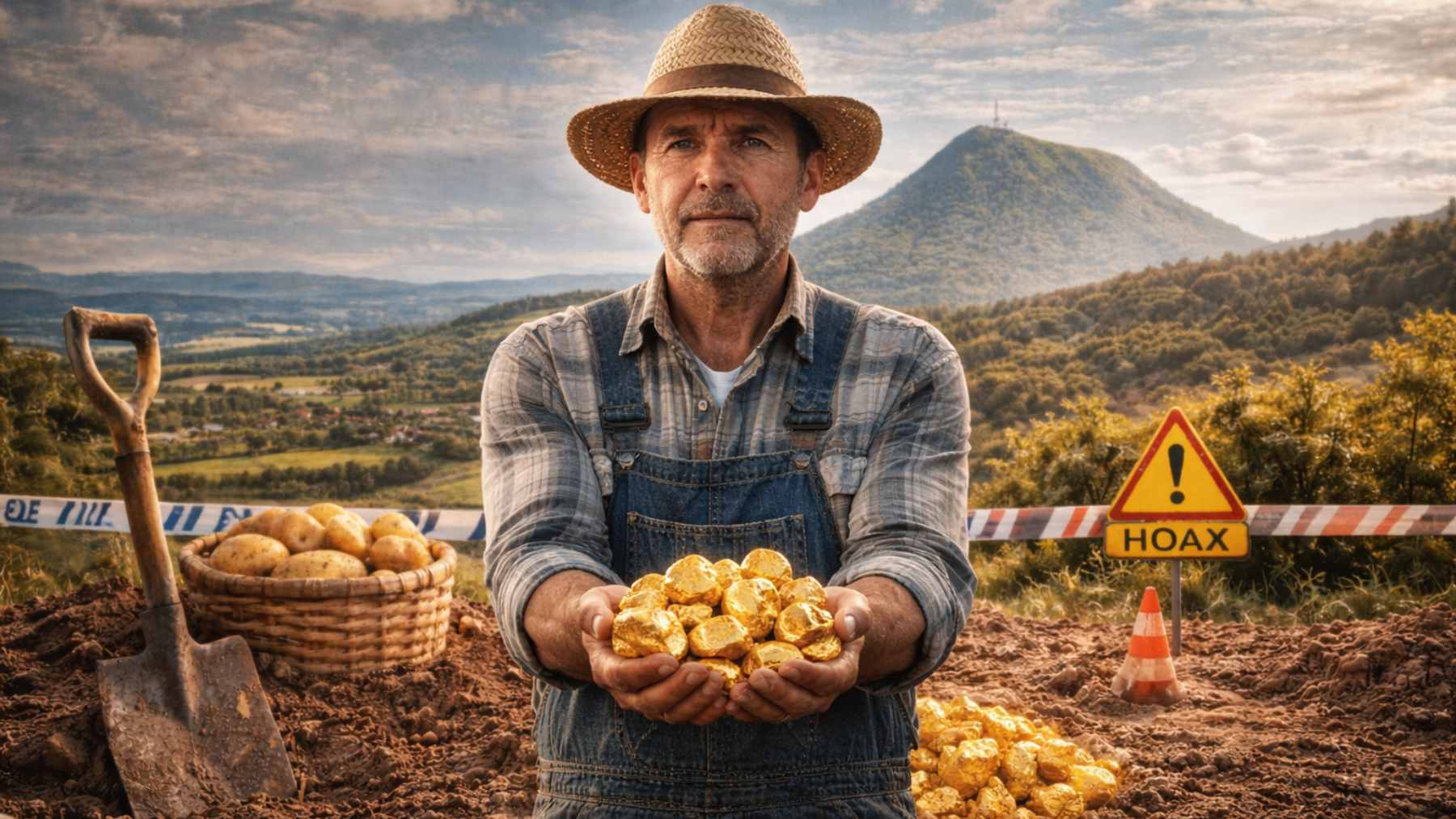
Over the past year, social networks and clickbait sites have been buzzing with a story that sounds like a fairy tale gone wrong. A French farmer supposedly finds a gold deposit worth four billion euros in his garden. The state arrives, declares that everything under the soil belongs to the nation, and freezes the mine in the name of environmental protection. It feels like a perfect parable about greed, law and nature. There is just one big problem. The tale of Michel Dupont is not real.
Fact checking by major and niche outlets now shows that the supposed discovery of one hundred fifty tonnes of gold in Auvergne was stitched together from generic names, invented experts and wrong math. Anadolu Agency has described the whole thing as a hoax after failing to find any official confirmation, and noted that the numbers do not even match the current price of gold. One French tech journalist went further and called it a “viral fable,” linking the text to automated content farms that use artificial intelligence to pump out dramatic mining stories for ad clicks.
So if the farmer and his billion euro garden are fictional, why does this story still matter for the environment. Because the legal and ecological questions it raises are very real. What would actually happen if a huge gold deposit sat under a quiet pasture? Who would decide whether to dig, and how much damage would be considered acceptable?
Who really owns what lies under your feet?
French law draws a clear line between the land you own and many of the minerals buried beneath it. For metallic ores such as gold, the subsurface is managed under the national mining code and treated as a separate kind of property that the state controls in the public interest. Official guidance explains that so-called mining substances belong to the Nation, while only quarry materials like sand and gravel belong by default to the landowner.
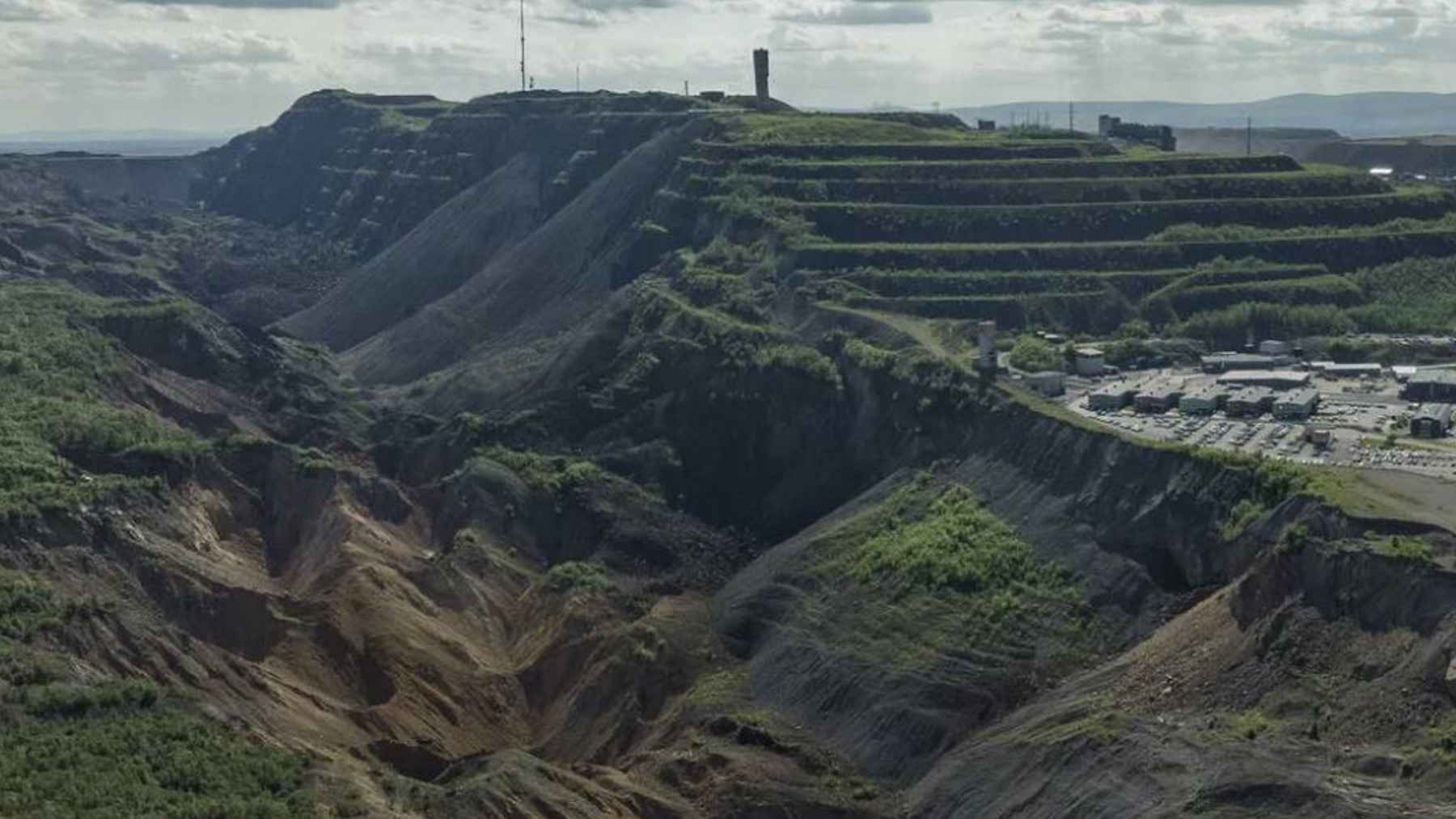
In practical terms, that means any real project must pass through layers of permits and environmental studies. Recent reforms. Mines that could significantly harm water, air, health or biodiversity need a specific authorization that folds in environmental law as well as the mining code. In rural areas, that can make the difference between a valley that stays mostly green and one that turns into an open pit with permanent waste dumps.
What a real mega mine looks like
To see what is at stake, you only have to look across the Atlantic to the now blocked Montagne d Or project in French Guiana. There, a consortium planned an industrial gold mine in Amazonian forest, in a crater roughly 2.5 kilometres long, 400 metres wide and up to more than 300 metres deep. After years of legal battles, the Bordeaux administrative because of the risks to what judges described as “exceptional biodiversity” between two protected massifs and nearby rivers.
For Montagne d Or, environmental groups documented that the mine would clear about 1,500 hectares of tropical forest and threaten more than 120 protected species. They warned that industrial extraction would rely on huge volumes of explosives and cyanide in a region already affected by mercury pollution from decades of gold mining, with millions of tonnes of waste rock and tailings stored in rain soaked terrain. Those warnings are a world away from the neat drama of a single farmer and a single gold vein, but they speak directly to the same fear. What happens when short term wealth collides with long term damage?
Why gold mining is such a heavy environmental issue
The science behind those concerns is not theoretical. Globally, gold mining is seen as one of the most destructive extractive industries. It is linked to deforestation, contamination of rivers with mercury and cyanide, and massive waste piles that can linger long after a mine closes. One analysis by the group Earthworks notes that producing enough gold for a single wedding ring generates around twenty tonnes of mine waste. Large tailings dams have caused some of the worst mining disasters on record, releasing toxic mud over river valleys and farmland.
Those impacts are not limited to the Amazon or other distant jungles. A recent WWF report estimates that, once indirect impacts are counted, mining-related deforestation already touches up to a third of the world’s forest ecosystems. In parallel, the boom in gold prices has fed mercury pollution in countries such as Peru and Ghana, where artisanal mining has left some communities with toxin levels far above health guidelines in soils, fish and people.
A better way to get the gold we actually need
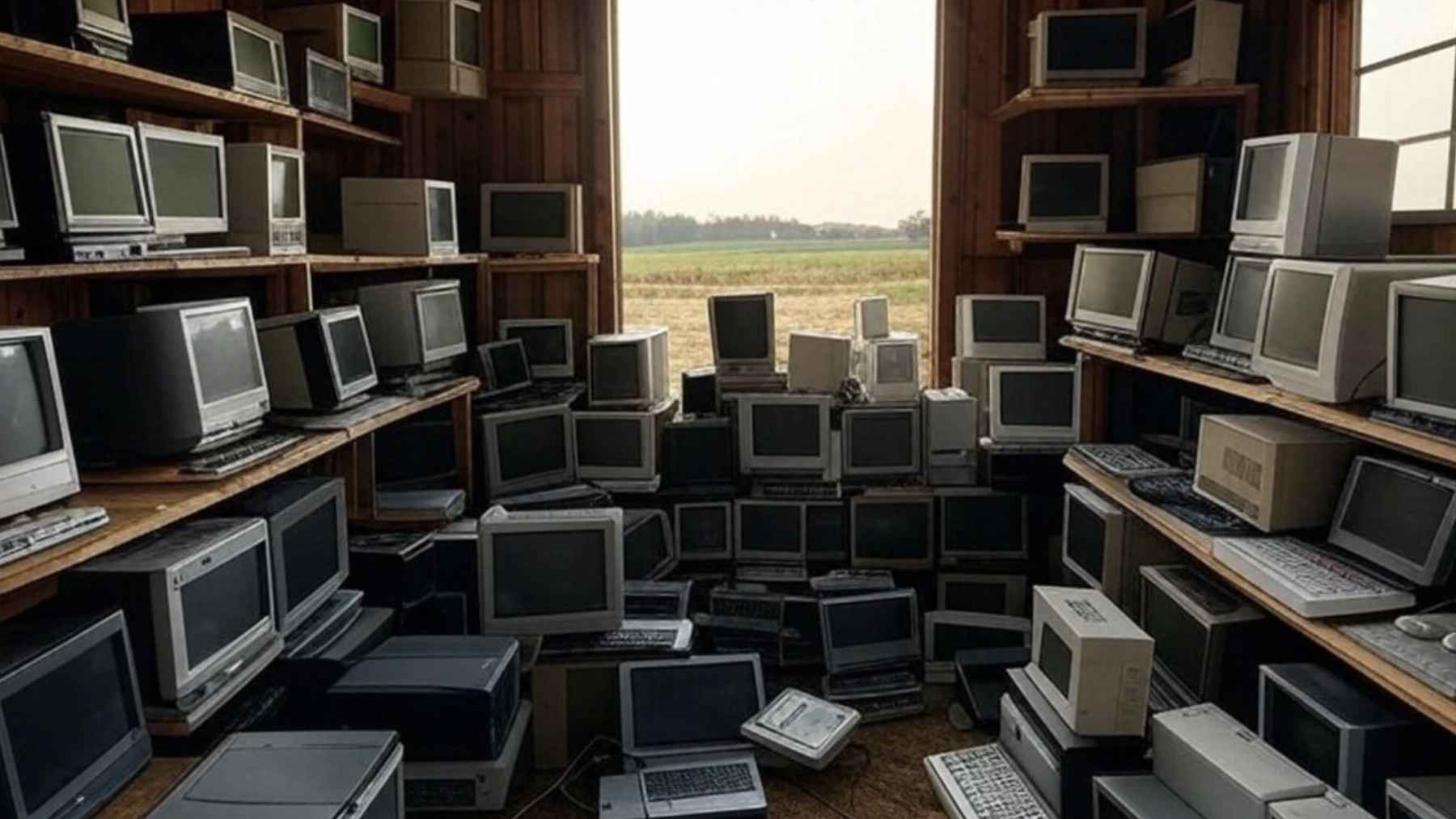
Here comes the other uncomfortable part of the conversation. Most of the gold mined today does not end up in the electronics that power the energy transition. According to parliamentary work cited by France Nature Environnement, a bit more than half of global gold goes into jewellery, around forty percent sits in bank vaults, and only a small fraction is used in industry and electronics.
Environmental groups argue that if societies genuinely need gold for phones, laptops or renewable energy technologies, it would be far less harmful to invest in serious recycling systems for electronic waste than to open new pits in sensitive ecosystems. In French Guiana, NGOs have pushed for public money to support renewable energy, eco tourism and sustainable agriculture rather than large industrial mines, pointing out that these sectors can create jobs that last longer than a single mineral boom. That shift sounds abstract on paper, but on the ground it can mean clean rivers, intact forests and fewer people forced to choose between a paycheck and polluted drinking water.
Reading viral treasure tales with a critical eye
The Michel Dupont hoax shows how easily environmental language can be woven into false stories. Some versions mention impact studies, threatened rural peace and even the promise of hundreds of jobs. None of that has been documented in reality, yet the narrative feels plausible because it echoes genuine conflicts around mining, employment and nature.
For readers, one takeaway is simple. When a story about an overnight billionaire and a giant resource find seems too perfectly scripted, it is worth checking whether serious outlets, scientific bodies or official platforms mention it. At the same time, the fears baked into that fiction are grounded in real cases such as Montagne d Or, where courts have now accepted that protecting biodiversity and water can justify stopping a mine even when there is strong economic pressure to move ahead.
The press release was published on “Guyane Nature Environnement”.