Future missions to the Moon and Mars will keep astronauts in deep space for months or even years. Out there, far from Earth’s protective magnetic field, high-energy particles slam into the body and slice through DNA, raising long-term risks of cancer and other diseases.
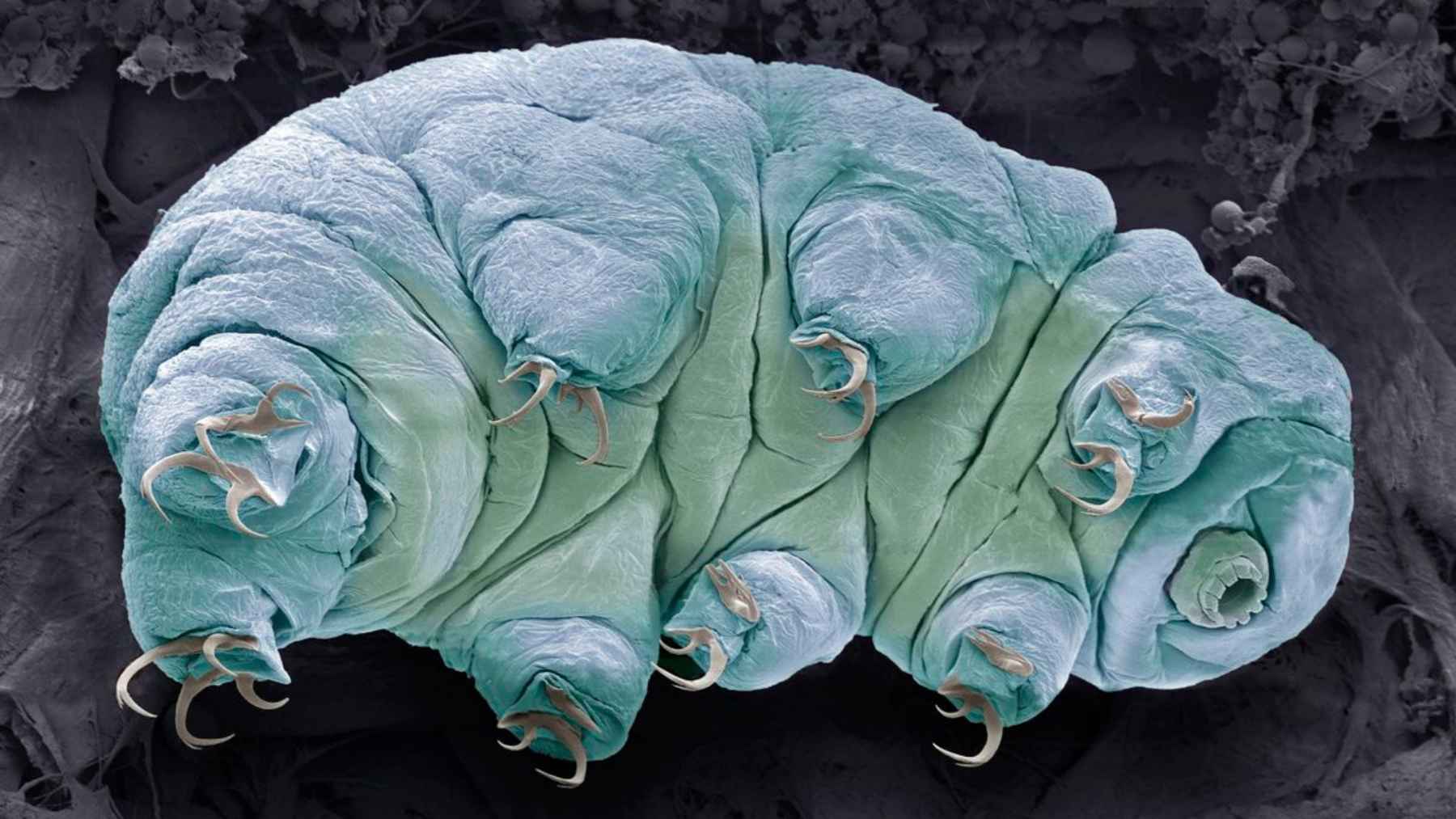
That is why scientists have been looking at one of the toughest animals on the planet, the microscopic tardigrade, for inspiration. A new preprint led by Corey Nislow at University of British Columbia now suggests that turning astronauts into “tardigrade-like” humans will be far more complicated than it first appeared.
Why space radiation is such a big problem
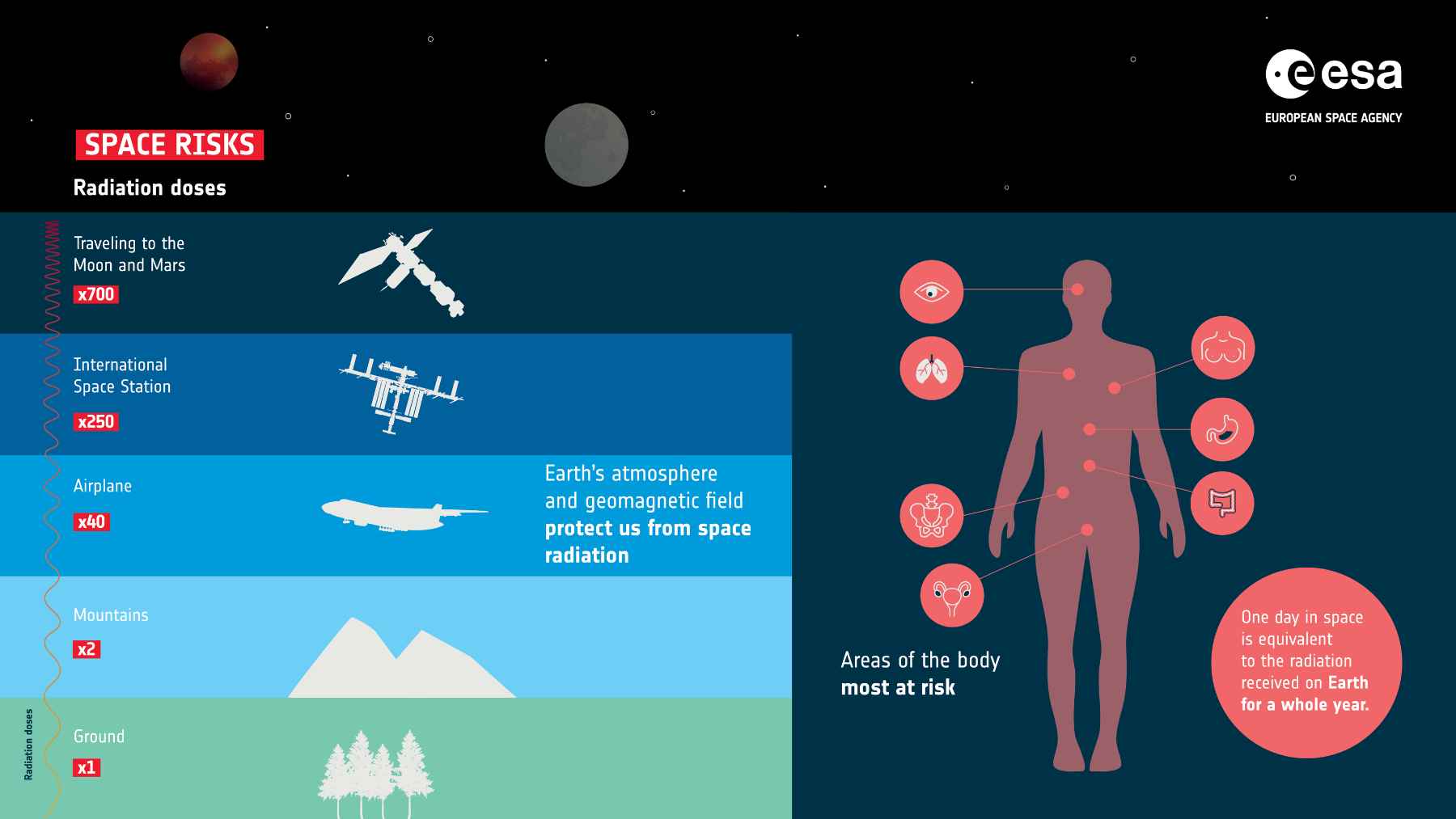
On the ground, most of the radiation we meet in daily life comes from medical scans or natural background levels. In deep space, astronauts face a constant drizzle of galactic cosmic rays and bursts of charged particles from the Sun that can damage DNA in every organ.
For a long journey toward Mars, total exposure could easily reach hundreds of millisieverts, several hundred times what most people receive in a single year on Earth. Heavier shielding helps, but every extra kilogram of metal or plastic makes rockets more expensive to launch, so agencies like NASA are exploring biological solutions as well as engineering ones.
That is where tardigrades come in. These tiny “water bears” can survive intense radiation, extreme dryness, and even short trips in space that would kill most other animals, which makes them irresistible to space biologists.
The tiny animal that inspired a DNA shield
In 2016, Japanese researchers identified a unique tardigrade protein called Dsup, short for “damage suppressor.” When they inserted its gene into human cells in the lab, those cells suffered far fewer DNA breaks after X-ray exposure, suggesting a built-in molecular shield.
Later work showed that Dsup sticks directly to chromatin, the packed form of DNA inside the nucleus, and can defend against damage from radiation and reactive oxygen molecules. That protective effect encouraged a wave of high-profile research looking at medical uses, such as helping cancer patients tolerate radiation therapy.
In one recent study, a team from Massachusetts Institute of Technology and University of Iowa used nanoparticles to deliver messenger RNA instructions for Dsup into mice. Their tissues showed much less radiation-induced DNA damage, hinting that short-term pulses of the protein could protect healthy cells during treatment and, one day, perhaps safeguard astronauts.
What the new study found in yeast cells
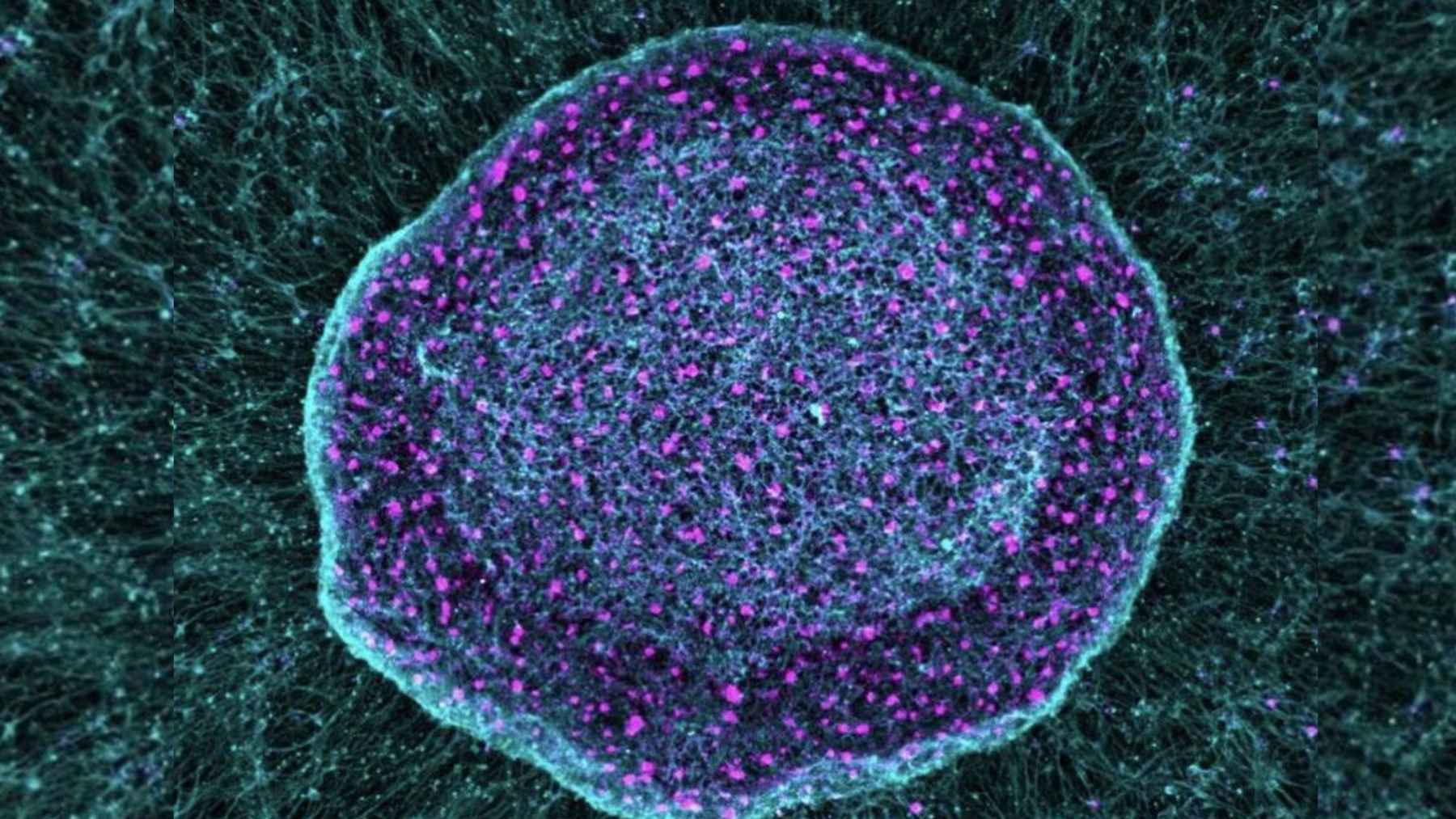
The new bioRxiv study takes a broader, more systematic look at what Dsup really does inside living cells. Nislow’s group engineered yeast to produce the tardigrade protein and then exposed the cells to a wide range of DNA damaging agents, not just one type of radiation.
They confirmed the good news first. Dsup cut down on genetic damage from several stresses, supporting the idea that it wraps around DNA and acts as a physical barrier that keeps harmful molecules away. In simple terms, it behaves like a protective bubble around the genome.
The trouble starts when cells make more of the protein. At higher levels, the yeast grew poorly; in some conditions, they died. The same shielding effect that blocks mutagens also makes it harder for the normal machinery of the cell to read, copy, and repair DNA.
According to Nislow, “there is a cost for every benefit we have seen,” a line that neatly captures the central trade off. In cells that already have limited repair tools, coating the genome with Dsup may actually prevent critical fixes and push them closer to collapse.
New doubts about mRNA injections for astronauts
Because Dsup can be delivered as messenger RNA, several teams had suggested packaging it in lipid nanoparticles, similar to the technology used in many recent vaccines. In theory, astronauts could receive doses before high-risk activities, gaining temporary DNA protection for a few days in orbit.
“Two or three years ago I was convinced this strategy would work,” Nislow has admitted in interviews, reflecting the optimism around tardigrade-inspired shields. The new yeast data show that if Dsup lingers too long or reaches too many cells, the same protein that guards DNA can quietly undermine cell health.
Other experts urge nuance rather than a complete retreat. James Byrne from the University of Iowa has argued that constant production of Dsup across the whole body would likely bring serious side effects, yet tightly controlled short pulses around sensitive tissues might still be useful.
In practical terms, that means any future treatment for astronauts would need very precise control over where the protein is made, for how long, and in what amount. That is a much taller order than simply injecting a generic “tardigrade shot” before launch.
A difficult path to tardigrade-style astronauts
The new findings do not kill the idea of borrowing tricks from tardigrades, but they do strip away some of the hype. Instead of a magic bullet that makes humans nearly indestructible in space, Dsup now looks more like a specialized tool that must be handled with care.
Researchers will now have to test more targeted approaches, such as limiting Dsup to certain organs, using it only during brief windows of extreme exposure, or combining it with other radioprotective strategies. All of this has to happen within strict safety rules, since the goal is to save astronauts from radiation, not trade one risk for another.
For the most part, the study is also a reminder that evolution rarely gives out free lunches. What works perfectly in a tiny animal that has spent millions of years adapting to extreme environments may carry heavy costs when dropped into human biology.
The main study was published on bioRxiv.