Could infinite energy found beyond Earth offer a solution to our sustainable energy problems? Well, it seems that tapping into a cosmic force not visible to the naked eye could have powerful results. Pushing solar power and wind generation out of the picture, neutrino energy is coming to the fore. Neutrino energy or high-energy cosmic radiation could lead to infinite power out of Earth and from within deep space.
Looking beyond Earth towards neutrino energy
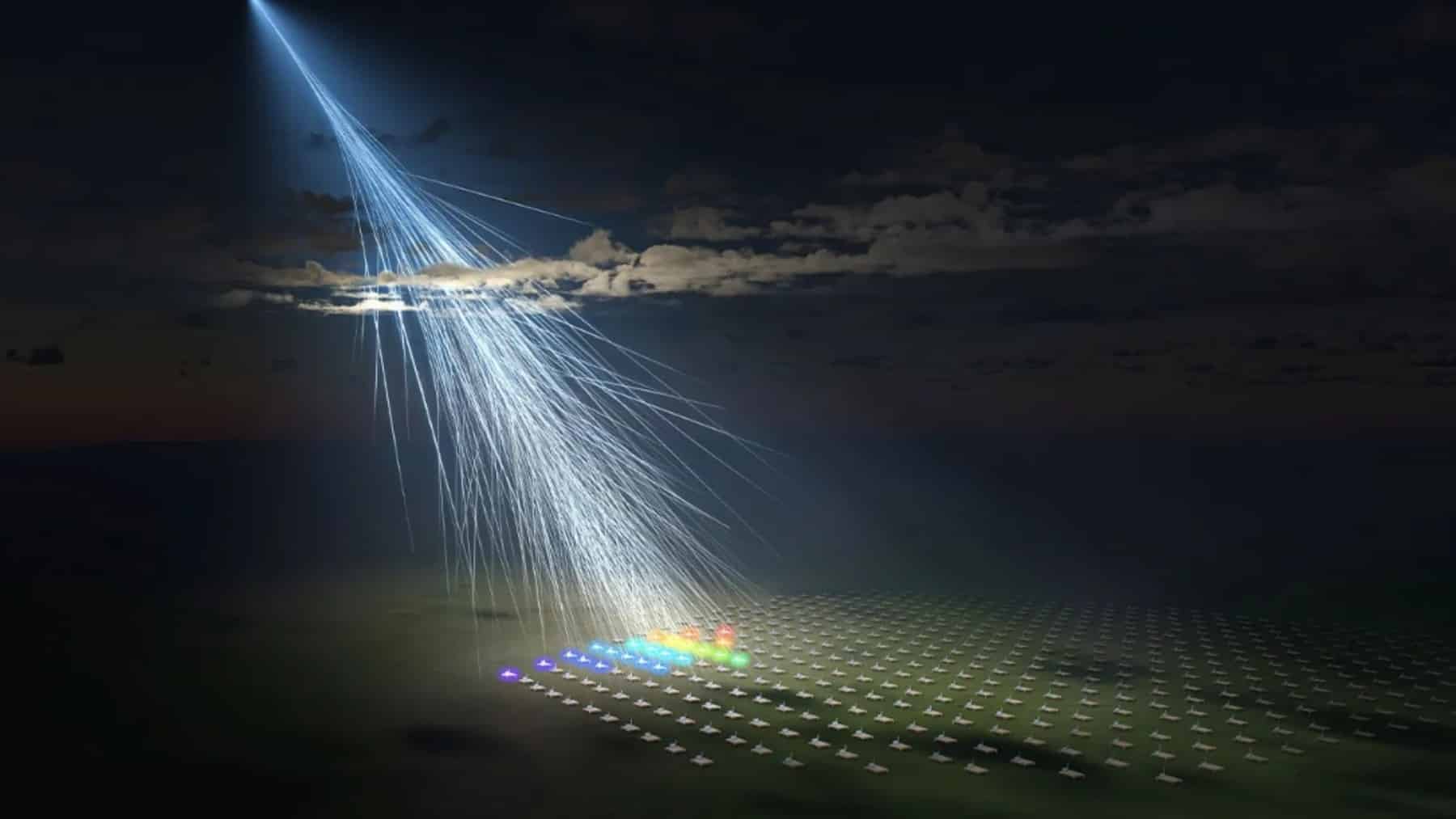
Neutrinos can be classified as subatomic particles created when nuclear reactions occur in stars, supernovae, and during other cosmic phenomena. Billions of invisible neutrinos pass through Earth every second. The focus fell on neutrinos in 2015 at a time when scientists like Takaaki Kajita and Arthur McDonald used science to show that these neutrinos have mass. After winning the Nobel Prize in Physics, these scientists provoked other researchers and scientists to Einstein’s famous equation E=mc² to equate that if neutrinos have mass, they surely do contain energy.
Using science as the basis, a new field emerged that focused on gaining kinetic energy from these neutrinos. The beauty of neutrinos is that they offer a constant energy supply. The particles come to Earth all day and night, and during all weather conditions. Perhaps scientists have uncovered one of the most reliable streams of sustainable energy.
Understanding the Neutrino Power Cubes
Interest in neutrinos led to the emergence of the Neutrino Power Cube, created by German American firm Neutrino Energy Group. The cube is ultimately a generator that makes use of layers of silicon and carbon-coated metallic substrates. The minute neutrinos strike the cube, the materials vibrate, and this vibration gets converted into energy.
Neutrino power does not demand sunlight and thus offers power continuously. According to Neutrino Energy CEO, Holger Thorsten Schubart, a PV cell will work without light if it has a neutrino cell inside it. Thus, the advantages of these invisible neutrinos are numerous.
Enabling an array of applications, including powering electric vehicles, the Neutrino Energy Group is looking toward a future where the Neutrino Power Cube could stand in place of traditional energy sources. Perhaps a lack of grid dependence is on the cards too, with these cubes that can generate energy from neutrinos 24/7. Yes, infinite energy is out from Earth, and if we convert these cosmic rays into energy, the possibilities will be endless.
Sustainability ensured beyond the sun and Earth
While the question of whether it’s possible to convert cosmic rays has been answered, the fact that infinite energy could exist puts somewhat of a damper on the International Energy Agency’s prediction that solar energy will be the leading sustainable energy form by 2040. Where neutrinos could help is to fill in the gaps where solar power could fall short. However, harnessing these cosmic rays is not without difficulties. Technological scaling and incorporating the cubes into existing infrastructure are some of the main issues. There are limitations in terms of reaping the benefits of cosmic rays safely and efficiently, particularly due to their ionizing nature. Yet, neutrino energy doesn’t require harnessing dangerous cosmic rays directly.
Neutrino Energy Group states that since energy is being captured from omnipresent neutrinos surrounding our environment, health and safety concerns are not necessary. The team believes that their technology could reduce energy costs and that their solution is perhaps far more feasible than that of solar power. The Neutrino Power Cube has another advantage of not having to endure the effects of environmental degradation over time. Perhaps we will gain power by tapping into the potential of the invisible cosmic rays.