Wireless internet is handy until your video call freezes right when your boss asks a question. Wi-Fi is great for moving around the house, yet it can be unstable and full of lag when walls, neighbors and distance get in the way, especially for people who depend on remote work or online classes.
There is a wired alternative that does not involve snaking long Ethernet cables along baseboards or drilling into drywall. By reusing the coaxial cable that was installed for cable TV and a small adapter, you can turn old wall jacks into fast, stable internet ports.
Why a wired connection still matters at home
A wired connection gives your devices a direct path to the router, so speeds are usually higher and delay is lower. That means smoother meetings and quicker uploads.
Wi-Fi signals weaken as they pass through brick, concrete and even thick wooden floors. If your router sits in the living room and your office hides in a back bedroom, you already know how often calls break up or uploads stall, and running new Ethernet cables in a rental can be hard or even forbidden. So what can you do when Wi-Fi keeps failing you?
How MoCA turns cable TV jacks into internet ports
Many homes already have coaxial outlets in several rooms, meant to connect televisions to a cable service. The same thick, round cable that carries high-definition TV can also carry data signals for a home network, which is the idea behind MoCA, a standard from the Multimedia over Coax Alliance that can deliver real-world speeds up to 2.5 gigabits per second over existing coax runs.
A MoCA adapter sits at each end of a coax line and acts like a translator between Ethernet and the coax cable. In one loft-style apartment, there were no Ethernet jacks anywhere, yet every room had a coax outlet, and once adapters were installed that decades old cable carried a steady one-gigabit link across thirty meters for everyday work and streaming.
What you need to build a coax-based home network
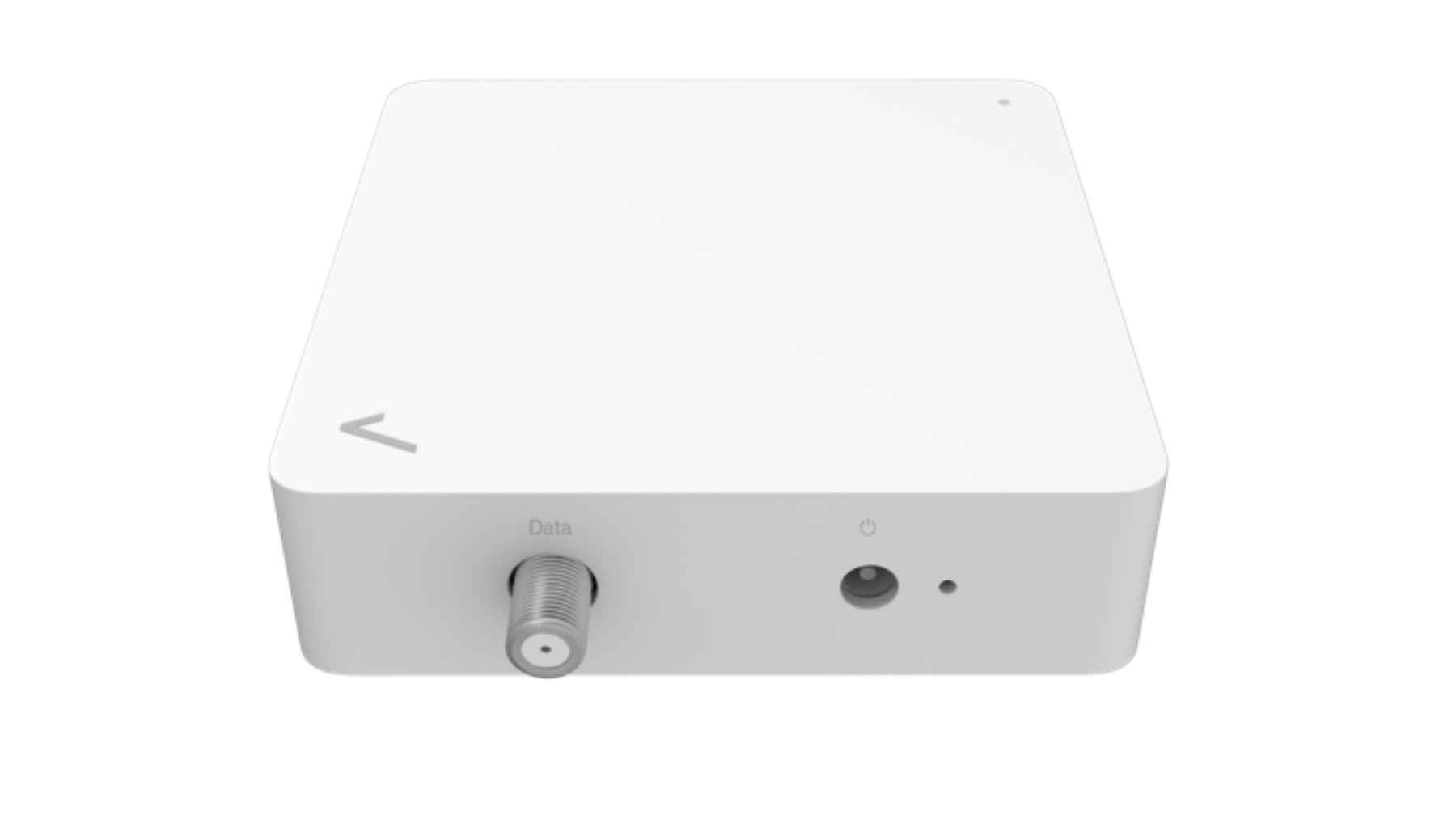
For many people, the entry point for internet is a cable modem or a fiber gateway that feeds a home router. Some cable modems from providers such as Xfinity include built in MoCA support, which means you only need a single adapter in the remote room to complete the link, and a MoCA 2.5 Ethernet over coax adapter like the TMO 312C from Trendnet can connect your office computer to a nearby coax jack through a very short run of coax.
If your modem or router does not speak MoCA on its own, one adapter connects to the router through Ethernet and to the coax that feeds the rest of the home, often using a simple coax splitter near the entry point. A second adapter goes in the distant room, where it connects to that room’s wall jack and then to your computer, console or television, and you can repeat the pattern for more rooms if the coax wiring links them together in a single network.
Keeping MoCA secure and running smoothly
A small extra piece of hardware can make a MoCA network faster and more private. A point of entry filter attaches to the coax line as it enters the home, before it reaches the modem or the first adapter, and it keeps MoCA signals from leaking back toward the provider’s network while reflecting higher-frequency signals back into the home.
One example is a compact filter from Belden that is available online for under ten dollars from retailers such as Amazon, and adding a filter often improves signal levels and gives more headroom for multiple adapters sharing the same coax plant. MoCA still depends on the quality of the coax cable and splitters in your building, so very old or damaged wiring can limit results, yet if your coax can handle high-definition television channels it will usually support a modern MoCA network without major issues.
The main technical standard for MoCA 2.5 was published in the “Home Networking Gets a New Performance Standard” press release on the Multimedia over Coax Alliance site.