Google is stepping up in terms of the energy game, having secured the approval for a first-of-its-kind geothermal energy agreement that is meant to power its rapidly expanding network of data centers. Google’s agreement signifies a transformative moment towards both clean energy development and powering artificial intelligence (AI) and cloud computing infrastructure. Although geothermal energy will offer millennia of sustainable power, the words “It’s impossible for us to reach there” reflect a reality that the scale required to reach that dream may pose a significant challenge.
Google is embracing the idea of geothermal power
It was the Public Utilities Commission of Nevada that approved Google’s agreement with Fervo Energy and NV Energy to deliver about 115 megawatts (MW) of 24/7 enhanced geothermal energy on May 13, 2025. The project is called Project Red and is a commercial pilot located in Northern Nevada. The idea is to supply the power for Google’s data centers and cloud infrastructure in the region.
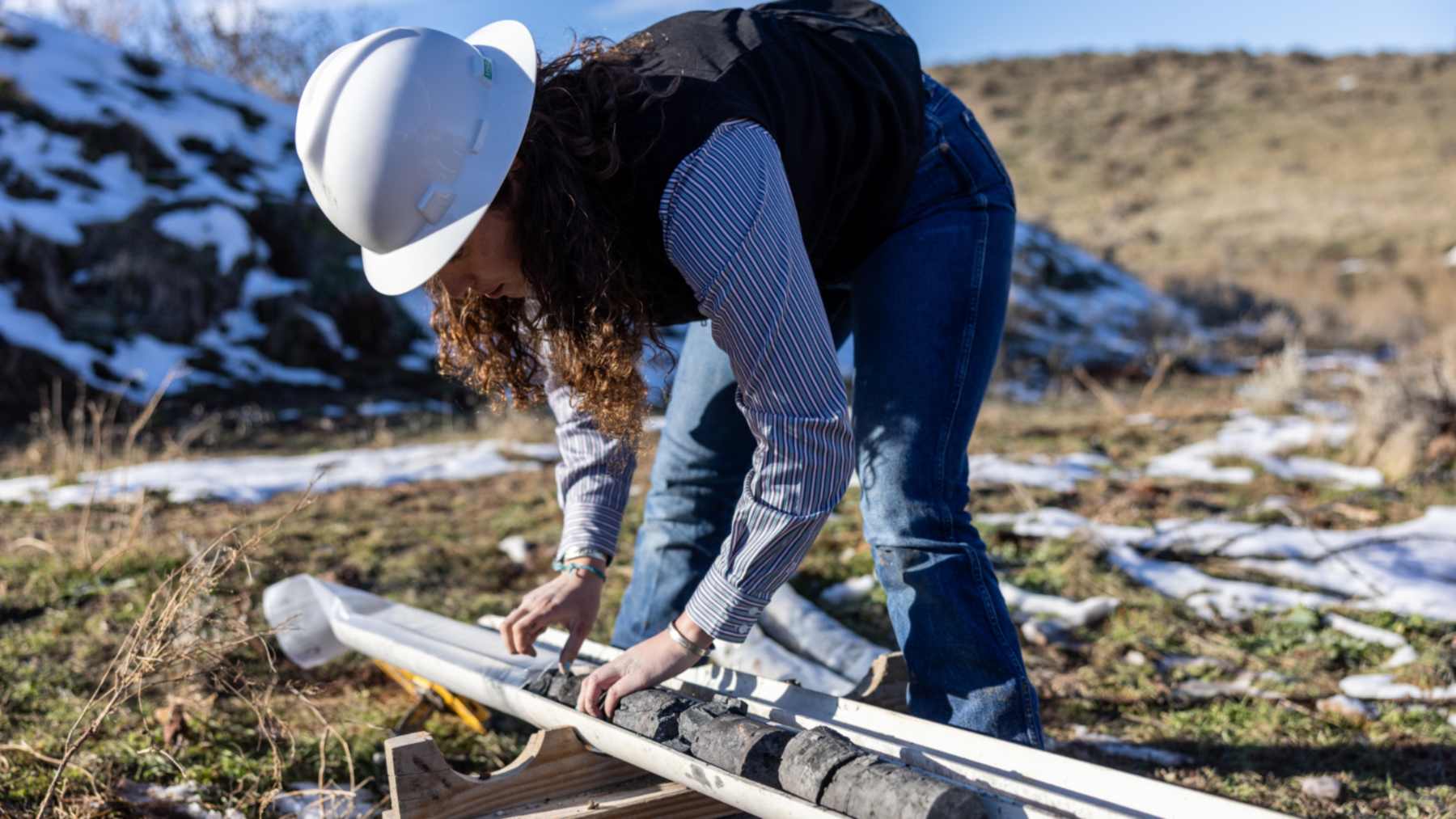
The overall goal is to power Google’s data centers and office campuses with carbon-free energy 24/7 by 2030. A necessary component for this strategy is to make use of enhanced geothermal systems (EGS), such as those that have been developed by Fervo. As opposed to more traditional geothermal methods, EGS has the power to unlock initially inaccessible underground heat sources using advanced drilling technologies that will ensure that geothermal is scalable in ways never possible before.
Following in Google’s footsteps is Meta. Meta, in partnership with Sage Geosystems, is considering a 150 MW geothermal project using advanced fracking techniques, along with the initial electricity generation planned for 2027.
A new energy game… documented on paper
According to the U.S. Department of Energy estimates, geothermal energy could supply up to 120 gigawatts (GW) of reliable electricity by 2050, which could possibly meet about 16% of the country’s anticipated power needs. In Utah alone, there are 10 GW in untapped geothermal reserves.
While the paperwork outlines that millennia-long energy lies beneath our feet, we are not close to tapping this energy as yet. Technical advancements in drilling and storage, as well as the energy system able to power the AI and computing tools needed to scale up geothermal development, need to be considered.
Google is, however, set on reaching the earth’s core for a greener energy solution with the idea of creating the first green internet.
It’s not impossible, but difficult
While it may not be entirely impossible for us to reach there, it is difficult. The difficulty does not lie with geothermal availability, but with our current energy demand versus supply curve. What is required is the development of enough energy to power up data centers. Data centers are the backbone of everything, and they are massive power consumers.
Data centers grew by over 60% between the years of 2016 and 2023. According to the consulting firm, Peak Strategies, projects that U.S. power demand will increase by 38,000 MW over the next five years as a result of AI and digital infrastructure growth.
The dilemma is that we wish to build intelligent systems capable of unlocking geothermal power at scale, however, we require energy that we don’t have and cannot deploy fast enough. When it comes to high-performance computing, AI workloads, and data center cooling systems, we are increasing the limits of our existing power grid. Although geothermal may solve the problem in the long run, we still need to rely on wind, fossil fuels, and solar, all of which are unable to offer the 24/7 reliability that geothermal promises.
Google’s role in the new energy game
Nevertheless, the Clean Transition Tariff (CTT) agreement between Google and Nevada Energy is so important in showcasing a new financing model where large tech companies fund the infrastructure needed to secure advanced energy technologies online.
Google has put into motion the first step towards energy sustainability and independence. However, reaching energy deep within the Earth requires dealing with today’s energy problem first. It may not be impossible, but it is very difficult, and Google is only at the beginning of the climb.