Google has been one of the pioneers in the world’s technological advancement, and the latest step is a new step towards a green world. The company has teamed up with geothermal start-up Fervo on the first large-scale effort to use geothermal energy to power data centres, known as Project Red.
As the world relies on the Internet and the energy consumption of data centers continues to rise, this project is a pioneering example of a greener Internet. Here, by reaching into the core of the Earth, Google is helping to turn the Internet into an environmentally friendly place.
Reaching the Earth’s core for a greener energy solution
Modern society has known about geothermal energy as a source of clean energy for a long time. Originally, geothermal plants directly exploit hot water resources such as hot springs and geysers. Nevertheless, these resources are scarce, and current plants contribute only a small fraction of global electricity.
Project Red is to establish a novel geothermal plant by employing enhanced geothermal systems (EGS). This type differs from tapping natural heated water reservoirs and fractures the dry rock by boring a few kilometres down through the Earth’s hard crust, pumping water into the dry rock and extracting the heat.
The project that Fervo is implementing in northern Nevada is the first one to prove the efficiency of this technology. The system produces up to 3.5MW, which may not seem like a lot, but it’s an important building block toward a more extensive geothermal solution.
As it stands, Google aims at having its data centres fully powered by clean energy, specifically energy used in their operations, around the clock in 2030, and this new energy source could go a long way in helping the company realise this vision.
What makes Project Red so innovative in geothermal energy use
How Project Red is innovative is that it utilizes many different types of state of the art technologies. Fervo employed methods usually applied by the oil and gas sector, for instance, fracking on the geothermal system.
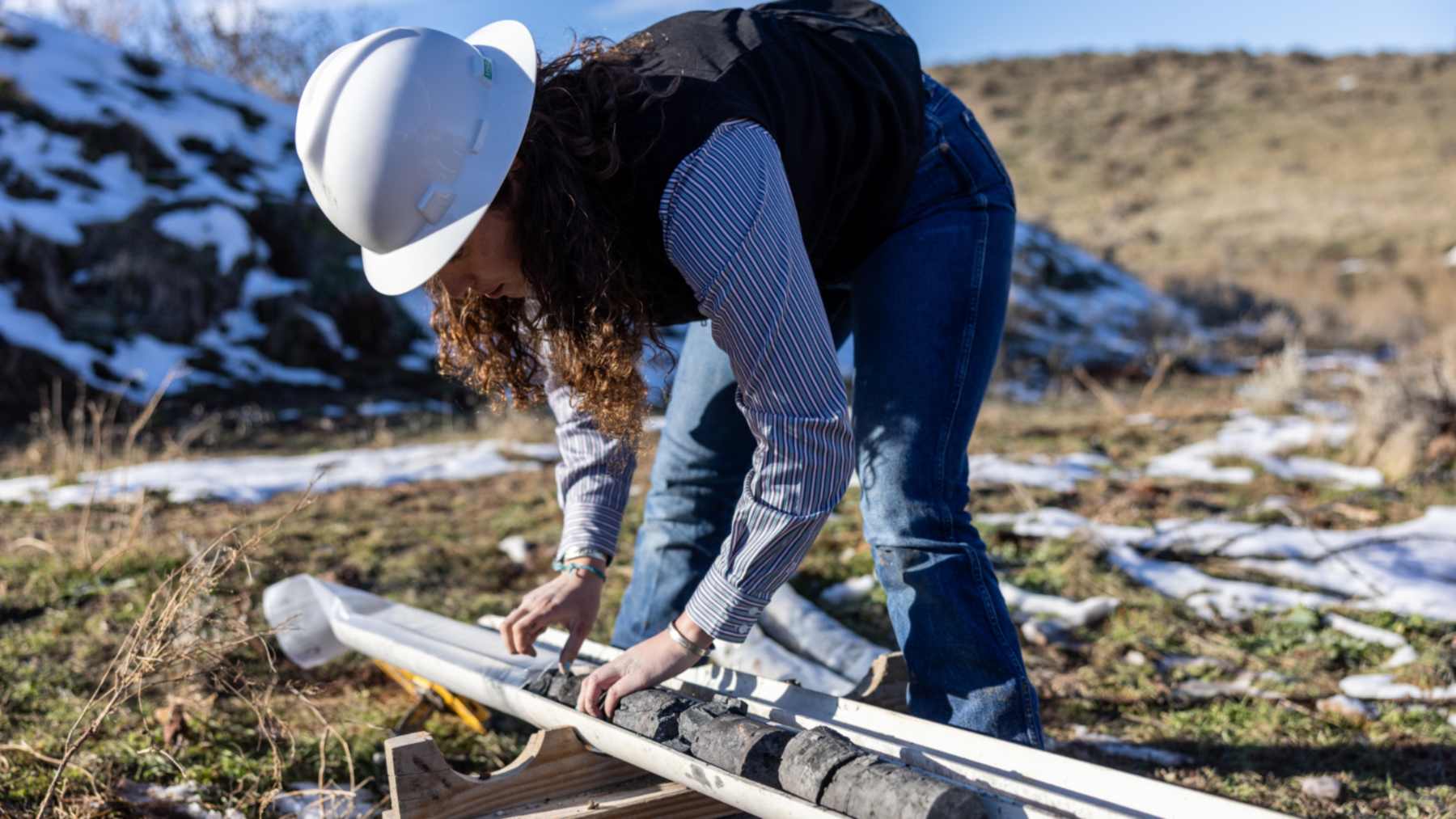
The team drilled two wells over 7,000 ft and linked them laterally to form an artificial water Aquifer in dry ground. This method enables water to pass through the system, pick heat from the earth’s crust, and then return through the surface in the form of steam to drive turbines.
This advanced technology proves that other sectors besides conventional geothermal energy can also solve energy issues. The fact that the new source of geothermal energy can leverage existing skills, equipment, and infrastructure developed for the oil and gas industry is a great advantage for scaling up. Fibre-optic sensors are integrated into the system to track its performance continuously to improve system reliability and efficiency.
The future of geothermal energy and its potential for growth
While compared to the overall requirements of an entire data center, the output of Project Red is comparatively small, it can be seen as the possibility for growth in geothermal energy.
Google has already shown an interest in broadening the utilization of geothermal technology with other organizations like Project InnerSpace advancing the geothermal energy market across the globe.
Quite the contrary, geothermal power is not only a practical solution for data centres. Still, it can also contribute to the decarbonization of areas where the use of other renewables is limited. According to the U.S. Department of Energy, geothermal energy can provide more than 16% of the country’s electricity in 2050.
With this kind of commitment, Google can drive up the worldwide deployment of geothermal systems and support the transition to cleaner energy. Their successful demonstration that geothermal energy can work well in various climates means that Google is paving the way for a cleaner and more sustainable internet and beyond.
Google’s mission for a greener, carbon-free internet powered by Project Red
Google is now focused on providing 24/7 carbon-free energy and is using this focus to make the internet greener, beginning with Project Red. By developing new techniques of tapping heat from the Earth, the company is also contributing to achieving its green energy targets and the definition of the global clean energy agenda.
This project may very well be the first shot fired in what could be a revolution in geothermal energy. This revolution could power the internet and entire towns and industries with a reliable and green energy source. The future of a more green and sustainable internet has been taken to the core of our Earth.