Flocks were crossing the Dolní pond in Svitavy, a town in the Czech Republic, and Milan Janoušek was calling them out for a radio reporter.
“Those are mallards. They’re the most common ones on the ponds here,” the ornithologist told Viera Pavlasová of Czech Radio, whose report ran Sept. 22. In among them he picked out a shoveler, a rarer duck that shows up on migration.
Then he got to what wasn’t there.
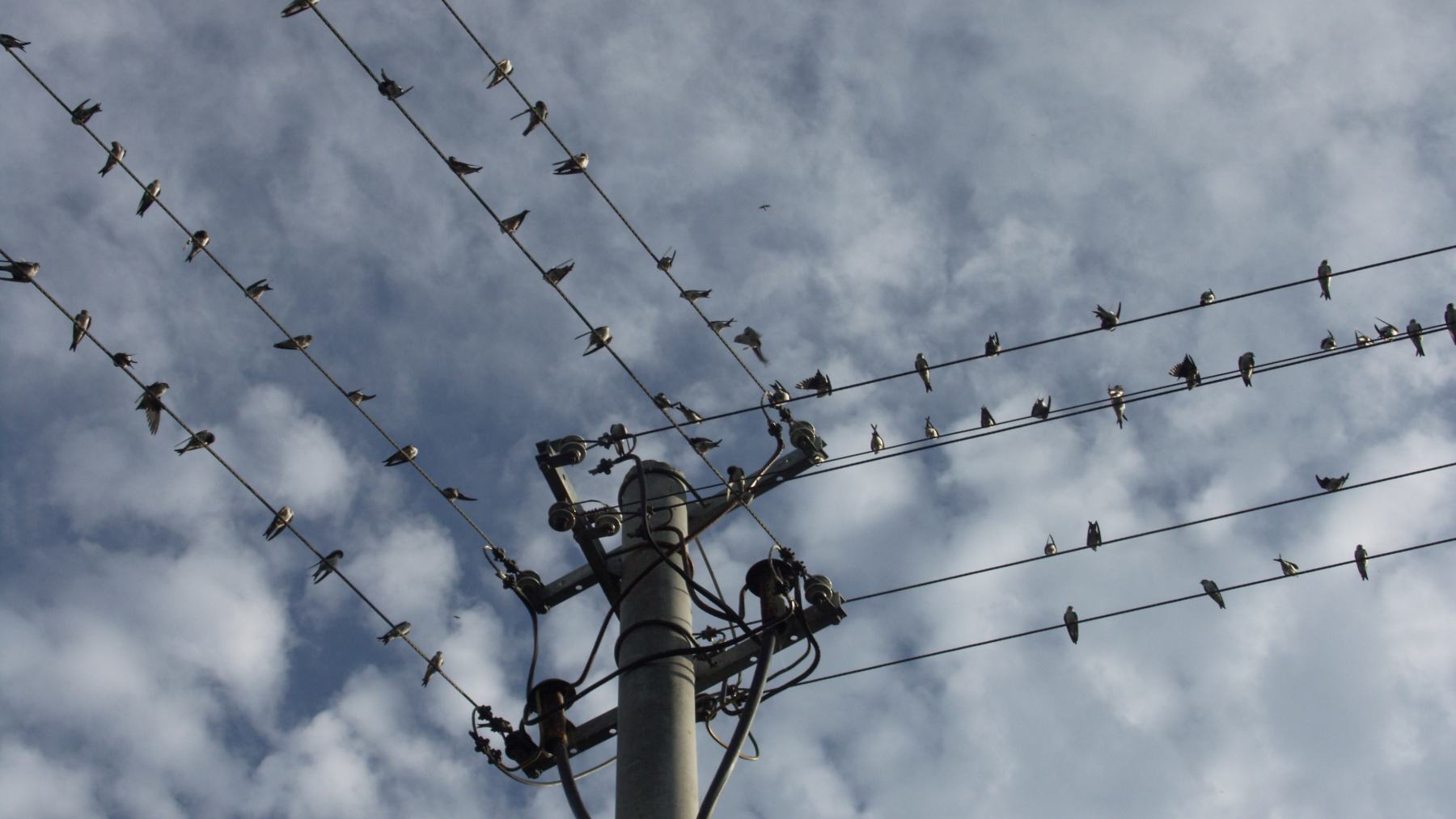
“The swallows and house martins are almost gone, which I find pretty surprising. A lot of years you still see them in early October,” Janoušek said. “The swifts went pretty fast, too. You could say most of our migrants are on their way, or already gone.”
He called this year’s migration fairly early. He was talking about the ponds around one town, and the station gave no counts.
Americans know one of these birds. The barn swallow that nests in U.S. barns is the same species that nests in Czech ones. The National Audubon Society calls it “common across Europe and Asia” and says that in North America its trip south “is well under way by mid-August.”
The ones that stay
Not every bird around Svitavy is leaving.
“Robins, say, winter here now,” Janoušek said. “And once in a while you see blackcaps here in winter, even though they’re classic migrants.”
Ducks and herons were still easy to find at the water, Pavlasová reported. Starlings will be the last to go from the eastern part of the Pardubice region, at the beginning of November.
A weekend of counting
On Oct. 3 and 4, BirdLife groups across Europe hold their yearly bird-watching weekend. The Czech Society for Ornithology lists 51 walks this year. Volunteers write down the species and numbers they see and send them to a European coordinator.
Two of the walks are Janoušek’s.
“We’re putting on two events around Svitavy, Saturday at the Hvězda pond near Opatov and a smaller one Sunday at the Lánský pond,” he said.