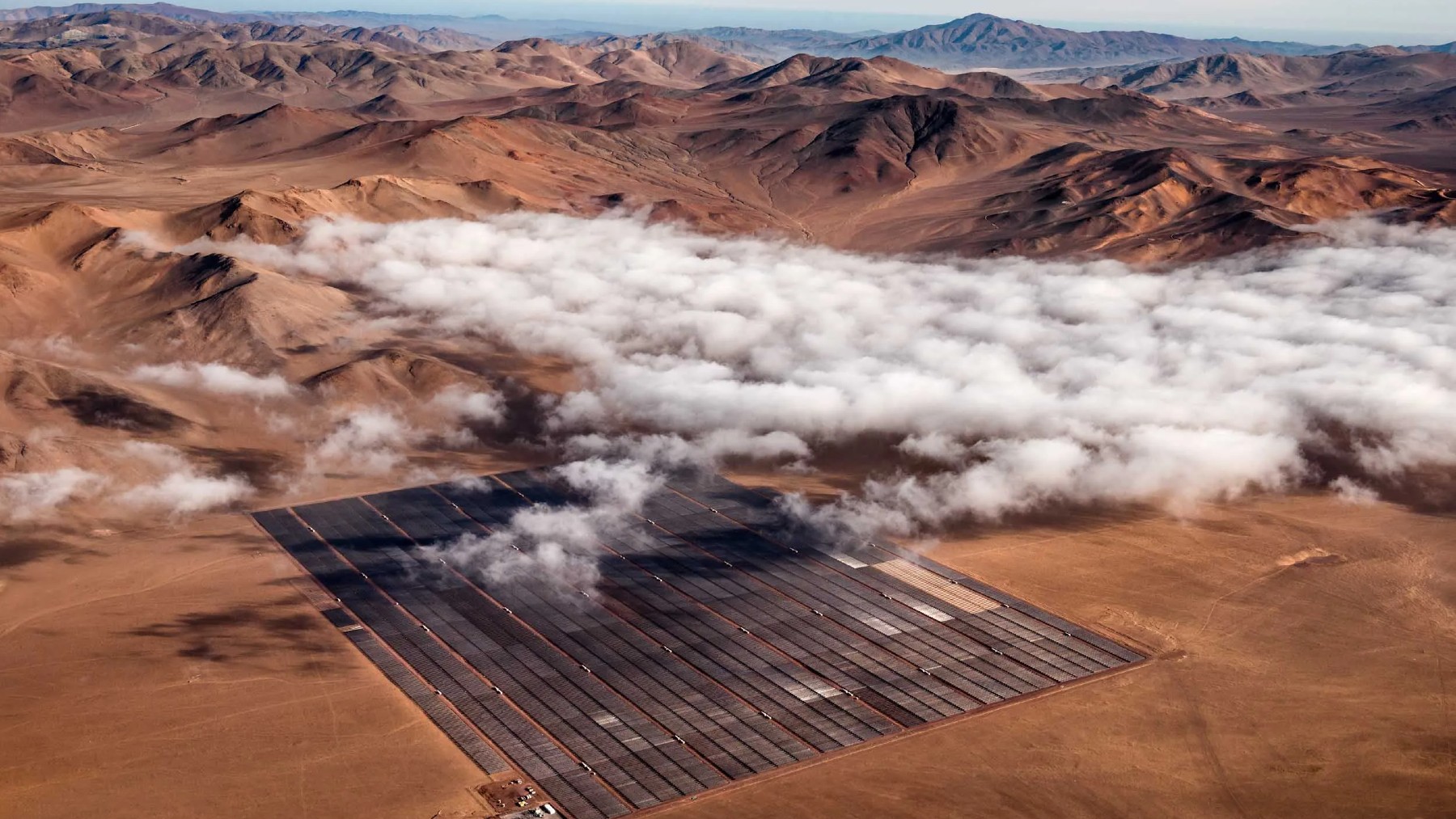
Geothermal energy sources return to squawk in Nevada, an American state that holds a giant pool of warm water. Google, with support from Fervo Energy, is keen on tapping into this natural resource for clean energy by 2025. This visionary plan, called Project Red, is a major advance in the development of geothermal electricity and is a first step toward the destruction of carbon-based energy systems.
Nevada’s hidden heat source: Why Project Red differs from the existing renewable energy literature.
Nevada has a large desert area, and about 2000 feet below the desert floor, hot temperatures average above 200ºF. Conventional geothermal technologies were applicable only to proven geothermal areas of volcanic or high heat gradient regions, which is now possible through EGS.
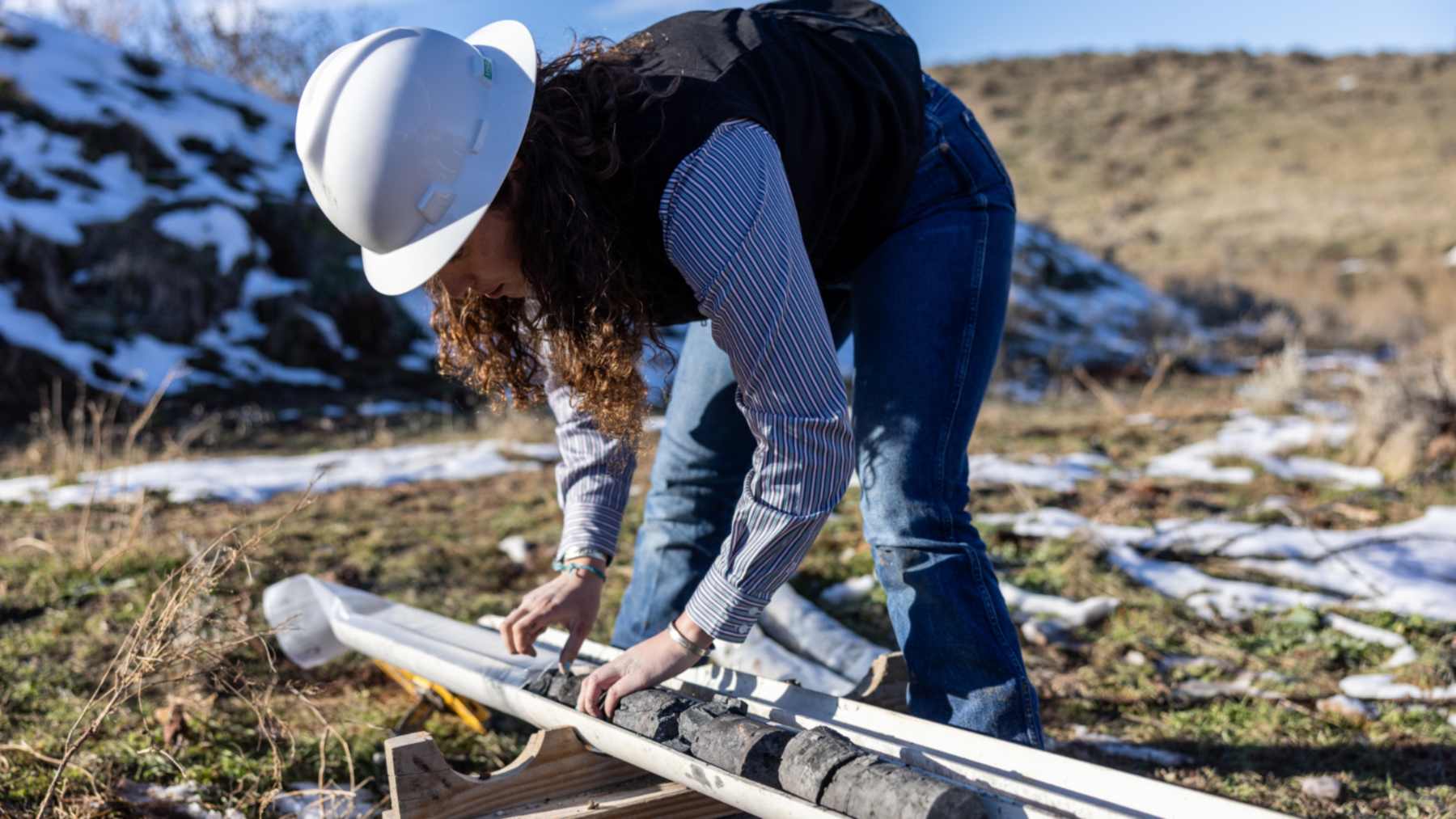
Fervo Energy uses enhanced ultra-deep drilling methods borrowed from oil and gas to create horizontal access to subsurface rocks with steady heat output. This process pumps hot water into the layers and then contributes electricity without burning fossil fuels as the heated water is returned to the surface. That is why EMS like this one redefine renewable energy as a base load power source – always on in every aspect.
For some 30 years, the U.S. Department of Energy has believed that geothermal energy can generate as much as 16% of the total electricity consumption in the United States. A project developed in Nevada called Project Red can act as a model for the population, confirming this power source’s prospect in regions that do not meet the geographical characteristics of geothermal activity.
In How Google’s Cutting edge technology is Making Carbon-free Energy a Reality by 2030
Google has set an ambitious target: transforming its worldwide data centres and offices to depend only on carbon-free energy (CFE) round the clock come 2030. Of significance in this vision is geothermal energy. Fervo Energy teamed up with the tech giant in 2021, making the Nevada site a success for operation.
What makes this project unique is that it proposed the utilization of fibre cables which can track heat flow and performance in real-time. This technology is a good use of resources because it sells power and does not use much land like solar or wind.
Of course, with its big desert area and favourable conditions for the implantation of geothermal resources, Nevada is perfect for such an endeavour. Project Red exploits the state’s hot aquifer, converting it into an energy utility system. This is unlike the solar or wind energy sources, a source of geothermal power will always be available since the heat at source is always available at a consistent rate.
From Nevada to the World: Geothermal Energy: Projections for Future Advancements
Given its stability, geothermal is a key partner to variable renewables because it can always be online. Geothermal power: Nevada’s current fossil fuel use is reduced, while the state’s energy security is boosted by integrating geothermal power production into its grid. Continued success for Project Red has the potential to make Nevada the premier destination for geothermal technology investment.
Nevada is leading on Project Red, but the EGS applications will not be confined to that state’s borders only. The technology holds potential as a solution for stressed regions across the globe, particularly in regions with low solar and wind energy potential.
Some organizations that Google partners with, such as Project InnerSpace, have to do with expanding geothermal energy worldwide. Google and many of its partners for geothermal energy solutions are playing a strong-backed role in the world’s clean energy push through implementation policies funded and encouraging the research for geothermal energy solutions.
The future of energy is here—and it’s 200ºF below the Nevada desert A browse through today’s technologies reveals two completely different concepts of ‘heavy’ metal: one contributing to killing machines, the other to purification of the planet.