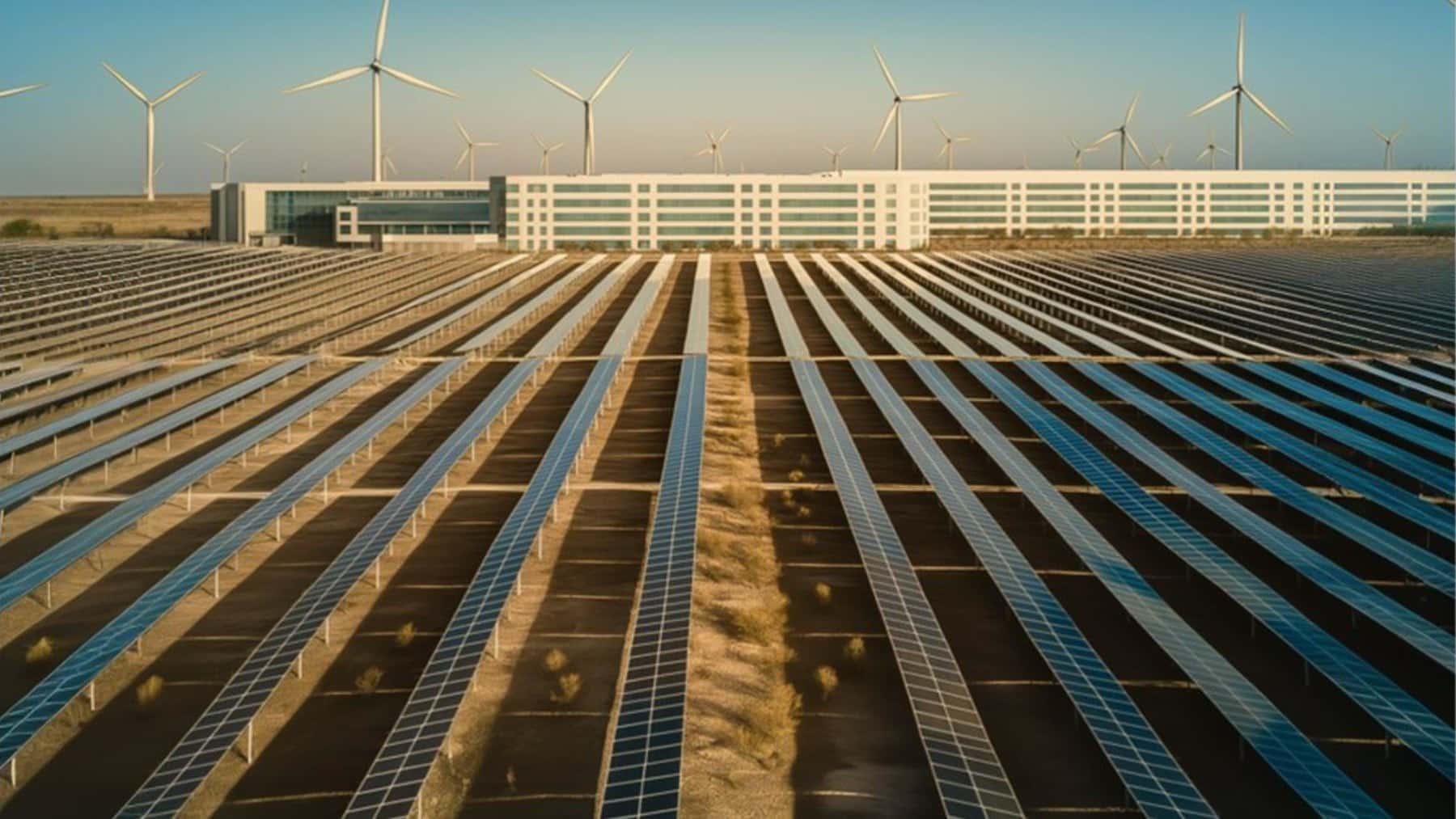
Imagine a project so massive it seems straight out of science fiction — simply a data center campus capable of generating 50 GW of clean energy, enough to sustain part of the global internet and perhaps become the birthplace of artificial general intelligence (AGI). That’s exactly what an American company intends to do, uniting two trends shaping the 21st century: the race for AI and the search for large-scale sustainable energy. The focus here is on abundant, cheap, and constant energy, which will allow AI not only to exist but to flourish.
A desert megaproject aiming to power the birth of AGI
The project’s ambition has been clear from the outset. So much so that the first phase, scheduled for 2026, will feature 300 MW of power and 1 million square feet of space. Essentially, it’s like building an entire city dedicated solely to machines that learn, process, and train artificial intelligence models. But that’s just the beginning.
This project, named Data City, has a long-term vision and aims for 5 GW of total power and over 15 million square feet of built area. To put it in perspective, this capacity is greater than that of many countries in their electricity grids. It’s not just about infrastructure: it’s about scaling the impossible. Now, where will all this begin? Right in the Texas desert, where space, sun, and wind create the perfect setting for transforming ambition into reality.
Beyond the grid: how Data City plans to fuel AI with its own green power
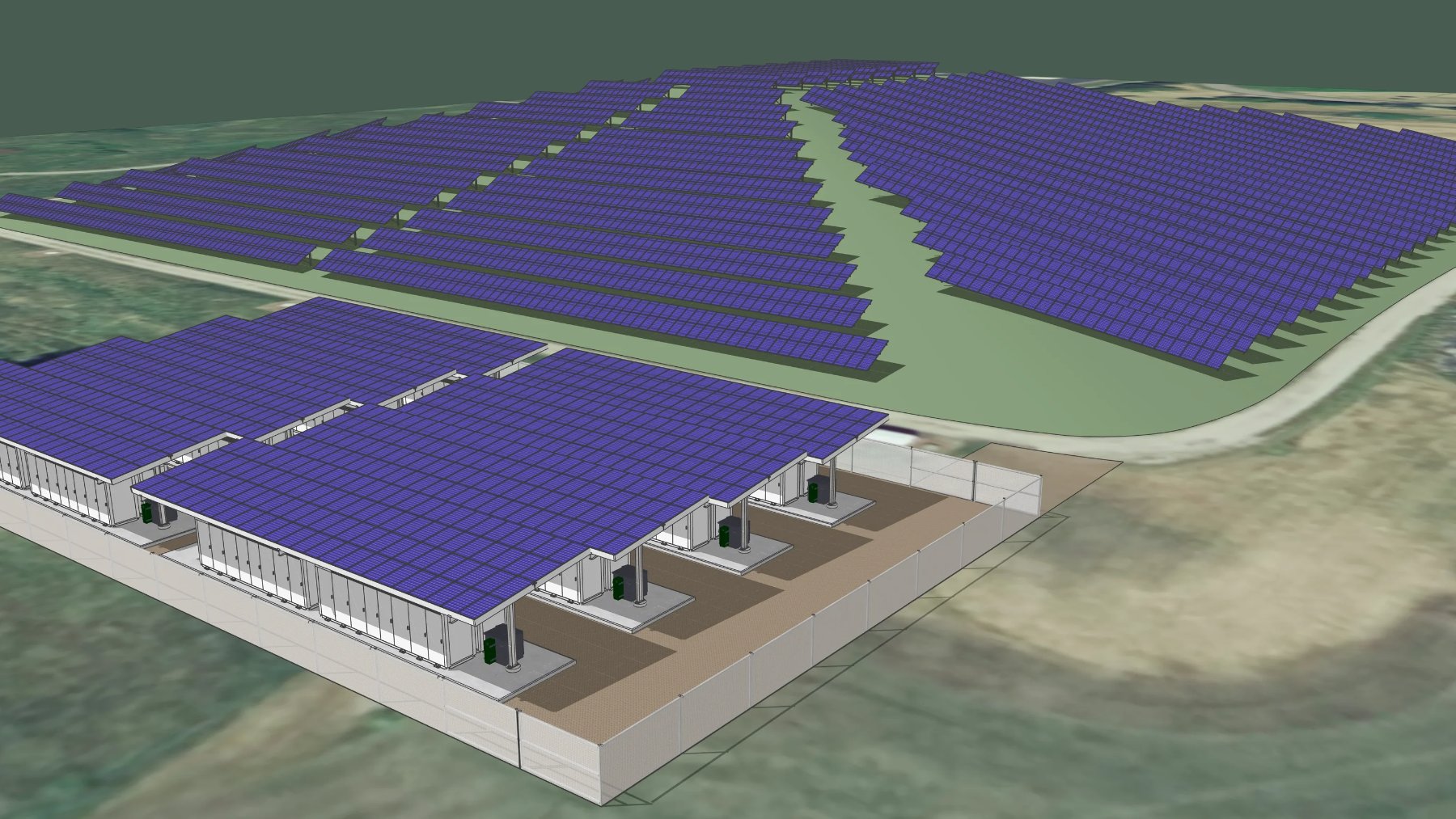
A technical term constantly appears in this project: behind-the-meter. But what does this mean in practice? Basically, instead of relying on the traditional power grid, shared by millions of consumers, Data City generates its own energy on-site. It’s like having a dedicated power plant, dedicated entirely to data centers. This brings three crucial advantages:
- Reliability — continuous power, without competing with urban demand.
- Planned scale — gigawatts are tailored to AI needs.
- Predictable costs — less volatility and more security for so-called hyperscalers.
This will be a transition from gas to hydrogen, which, in the short term, will begin with natural gas produced in Texas, ensuring stability. And, in the medium term: the bet is bold: we’re talking about migrating entirely to green hydrogen (which, if green in America, already has a blue hydrogen in Europe), stored in underground salt caverns in the neighboring Hydrogen City project, scheduled for 2028.
Texas reinvents itself
Remembering that Texas was once synonymous with oil and gas, today it’s beginning to write a new chapter: that of a global clean energy hub for cloud computing. In fact, here are some initiatives that only reaffirm this role:
- Corpus Christi: Energy Abundance’s own green energy hub, with an estimated annual production of 280,000 tons of hydrogen and 1 million tons of green ammonia (operation starting in 2029).
- Last Energy: Plans to install 30 micro-nuclear reactors in Haskell County, responding to the explosion in demand from data centers.
- Goal (Facebook, Instagram, WhatsApp): Contract with Spanish company Zelestra to enable 595 MW of solar energy in the state alone.
This all becomes important because AI feeds not only on data, but also on energy. In other words, every advance in generative models, every click on a more “intelligent” search, depends on a massive volume of electricity. Concentrating this infrastructure in dedicated projects, like Data City, means growth without overloading the national electricity system. This also reminds us of the first AI wind turbine triple power yield.
“Building behind-the-meter is the path to energy abundance—a cornerstone of this landmark project. It’s an honor to lead a quintessentially American and Texas endeavor that will power the AI revolution and pave the way to an energy-abundant future,” Maxwell said.
Disclaimer: Our coverage of events affecting companies is purely informative and descriptive. Under no circumstances does it seek to promote an opinion or create a trend, nor can it be taken as investment advice or a recommendation of any kind.