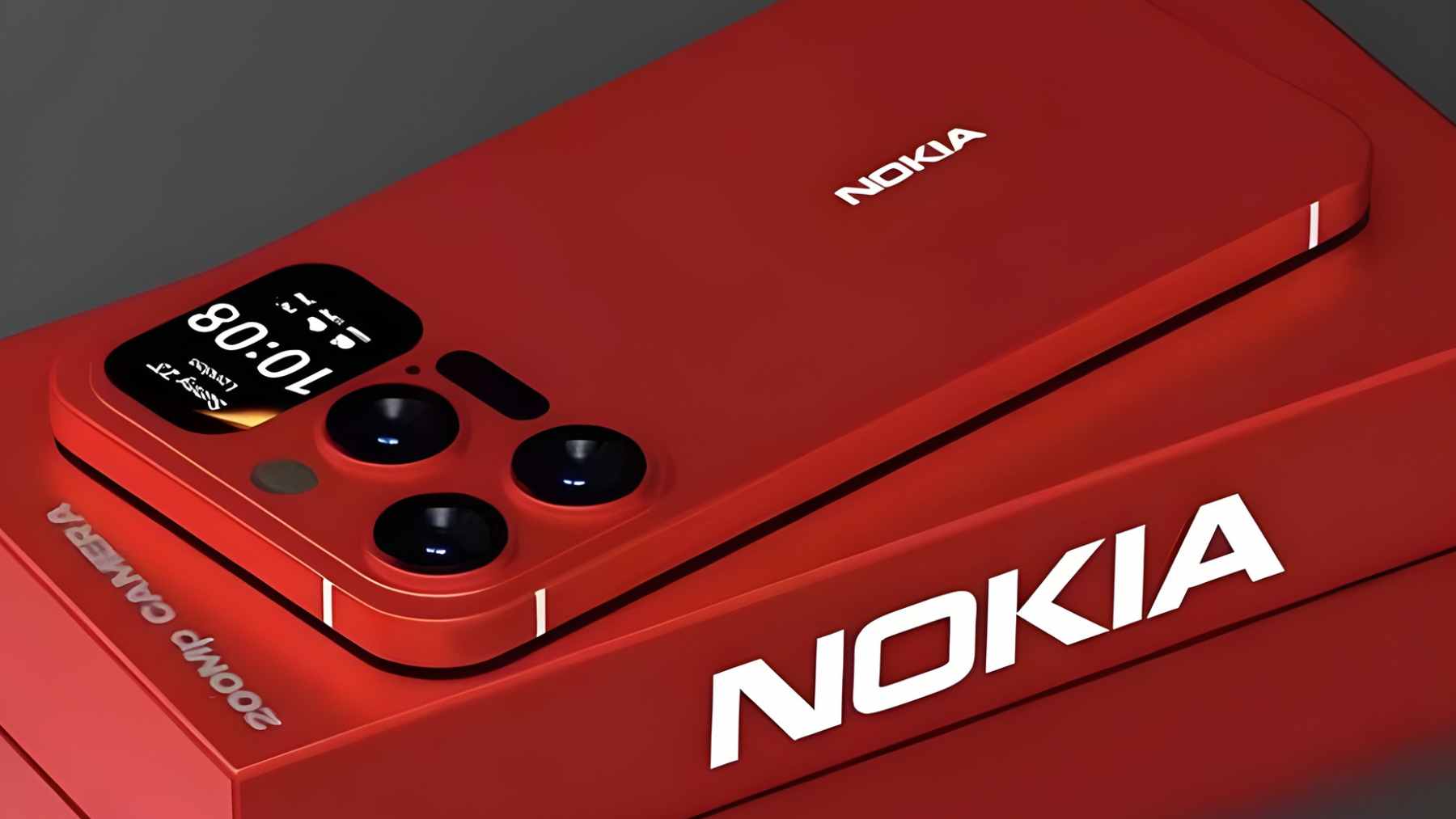
Every few months a new super phone promises to fix familiar annoyances, from blurry photos to battery anxiety. One of the latest is a handset widely advertised under the Nokia brand named Nokia Magic Max 5G, with a 230 megapixel AI camera, a roughly 7,000 milliamp hour battery and a Snapdragon 8 Gen 3 chip at a low price.
Sounds ideal for your next upgrade, although for the climate the picture is less clear.
Researchers warn smartphone production already carries a heavy environmental price tag. A 2024 discussion paper from the Wuppertal Institute reports that information and communication technologies account for about 8 percent of Germany’s CO2 emissions, with roughly 20 million smartphones sold there each year.
The authors say around 80 percent of a typical phone’s emissions occur during manufacturing rather than everyday charging.
Life cycle assessments back this up. Studies of phones and their batteries show that mining and processing metals like lithium, cobalt, nickel, gold and rare earth elements create much of the damage long before a device reaches the store shelf.
An analysis from the Shift Project suggests the total energy used over a smartphone’s life can be more than thirty times higher than what appears on your electric bill for charging. In short, most of the impact arrives before you even plug in that shiny new charger.
That is why experts focus less on how big a battery is and more on how long the whole device stays in use. The Wuppertal team modeled what would happen if people kept their phones for five to seven years instead of about two and a half and estimate that longer use could cut smartphone related greenhouse gas emissions by roughly half.
Ultra-spec models like the advertised Magic Max 5G sit right in the middle of this debate. A large 7,000 milliamp hour battery, tough glass and water resistance can help a phone survive long days and the occasional drop in the sink, which makes it easier to keep for longer instead of chasing every yearly update.
Yet packing in huge batteries and camera modules usually means more materials and more complex manufacturing, which adds to the footprint of each unit. The environmental balance depends on whether that extra hardware really helps owners stretch the life of the phone.
There is also a question of what counts as official progress. As of January 2026, neither Nokia nor HMD Global list a Magic Max 5G on their product pages, even though social media posts and third party websites promote such a model. That gap illustrates another problem for climate-focused consumers.
It is hard to judge the real impact of a gadget when specifications float around online without matching environmental data, clear software support timelines or commitments on repairability.
Researchers like those at the Wuppertal Institute argue that smartphone brands and carriers need business models that reward durability and reuse instead of rapid replacement. Their paper highlights modular designs, long running security updates and robust take-back and refurbishment programs as key pieces of a more circular system.
The authors say extending smartphone use offers “an enormous opportunity to reduce CO2 emissions and protect valuable resources”. They also point to an estimated 210 million unused phones sitting in drawers in Germany, filled with gold, cobalt and other valuable materials that could be recovered through organized collection and recycling.
For everyday users, the advice is surprisingly simple. If your current phone still meets your needs on battery life, camera quality and security updates, the greenest option is usually to keep it. When you finally do upgrade, you can look for repair friendly models, ask how long updates will last and return the old device through certified take-back schemes instead of leaving it in a drawer.
That new mega battery might get you through a long commute without hunting for a wall socket, but keeping the phone itself in service for an extra couple of years can do more for the planet.
The press release was published by the Wuppertal Institute.