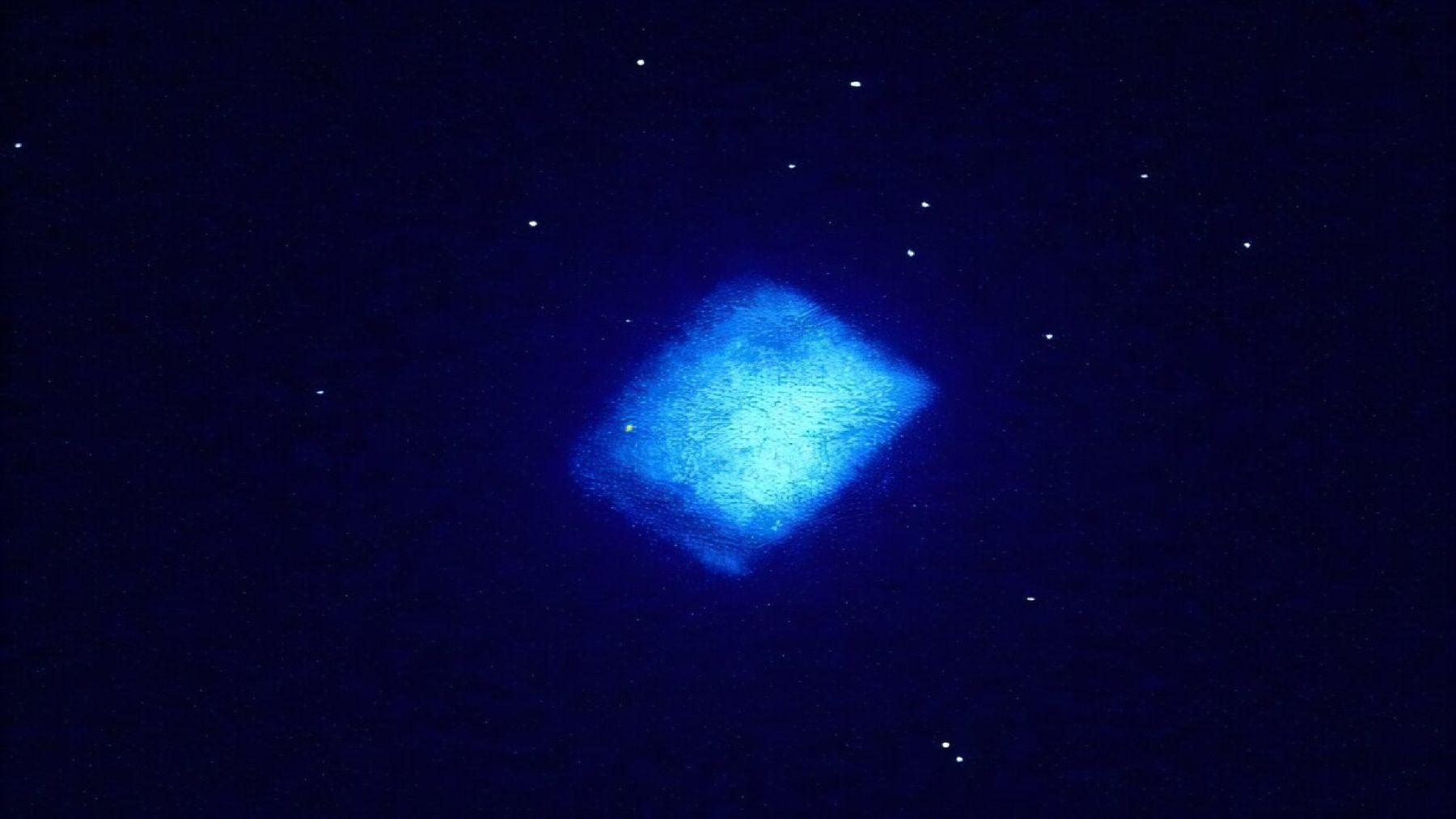
The research community presented the first radioactive diamond battery, which has served devices for more than 5,000 years. This modern, innovative power generator transforms the current energy landscape through its ability to deliver sustainable, lengthy electrical power for broad application needs. Scientists have recently unveiled an innovative battery to analyze its potential effects on the market.
The generating process of radioactive diamond batteries extends 5,000 years until exhaustion.
The diamond battery is produced by combining carbon-14 radioactive elements inside synthetic diamond material. Electricity is produced when carbon-14 releases electrons that the diamond changes into electrical energy. The battery prolongs its operational lifetime by exploiting carbon-14’s estimated 5,700-year half-life period.
The battery development project was launched through a joint effort between UKAEA and Bristol University. Apart from functioning as a semiconductor, the diamond shell provides radiation protection by absorbing energy, making it safe for battery use. The new battery technology makes it possible to operate low-energy equipment for centuries without needing additional battery exchanges.
The future power source of the next generation will offer maximum benefit to these target industrial applications.
Because of its exceptional features, the diamond battery remains suitable for powering devices when standard battery replacement proves difficult. Products like hearing aids, pacemakers, watches, and computer chips use diamond battery technology. Extended battery life and improved performance capabilities achieved through these batteries would produce better device operations.
The diamond battery possesses great potential to shape future space exploration efforts. Since it is the farthest human-made object in space, it offers the potential to operate Voyager 1 spacecraft communication systems. Probes equipped with diamond batteries would effectively transmit data to Earth for thousands of years beyond the operational period of standard nuclear batteries.
The sustainable battery functions as a power source by transforming nuclear waste through radiation-free operations
The diamond battery stands out because it provides safety to users. The diamond casing completely absorbs shortwave radiation released through carbon-14 decay, making these batteries safe for users to operate. Recycling the battery becomes possible when its service life expires, thus making it an eco-friendly choice.
The source of carbon-14 for batteries originates from nuclear fission reactor operation waste products called graphite blocks. This approach allows for the utilization of nuclear waste and a constant supply of production materials for batteries. Introducing diamond batteries enables significant progress in creating environmentally friendly energy approaches.
Diamond battery technology continues to develop despite being in an early phase with promising outlooks. University of Bristol materials professor Tom Scott has directed the development of the diamond battery since starting his work in 2016. He established Arkenlight as an entrepreneurial venture for developing industrial associations and evaluating commercial opportunities.
The market release of these batteries will occur at this point in time.
Improving power performance while producing the battery at scale will be the main priority of the next decade. The maturation of the technology will eventually develop it into a practical alternative to traditional batteries that delivers enduring sustainability as a power source for numerous applications. The new battery technology makes it possible to operate low-energy equipment for centuries without needing additional battery exchanges.
The new discovery enables widespread applications for underwater sensors, which demand a battery replacement solution that remains impractical. Remote military equipment, including surveillance drones and sensors, could use a power supply that functions for millennia. Medical implantable devices would advance to reach a point where no more battery replacement is needed, decreasing surgical risks for patients.
Private industries and public governments are investing in modern, advanced technologies. Researchers aim to achieve better power performance, which will enable more comprehensive use of this technology. The success of diamond-powered batteries would transform energy storage systems and our concepts about sustainable power products.