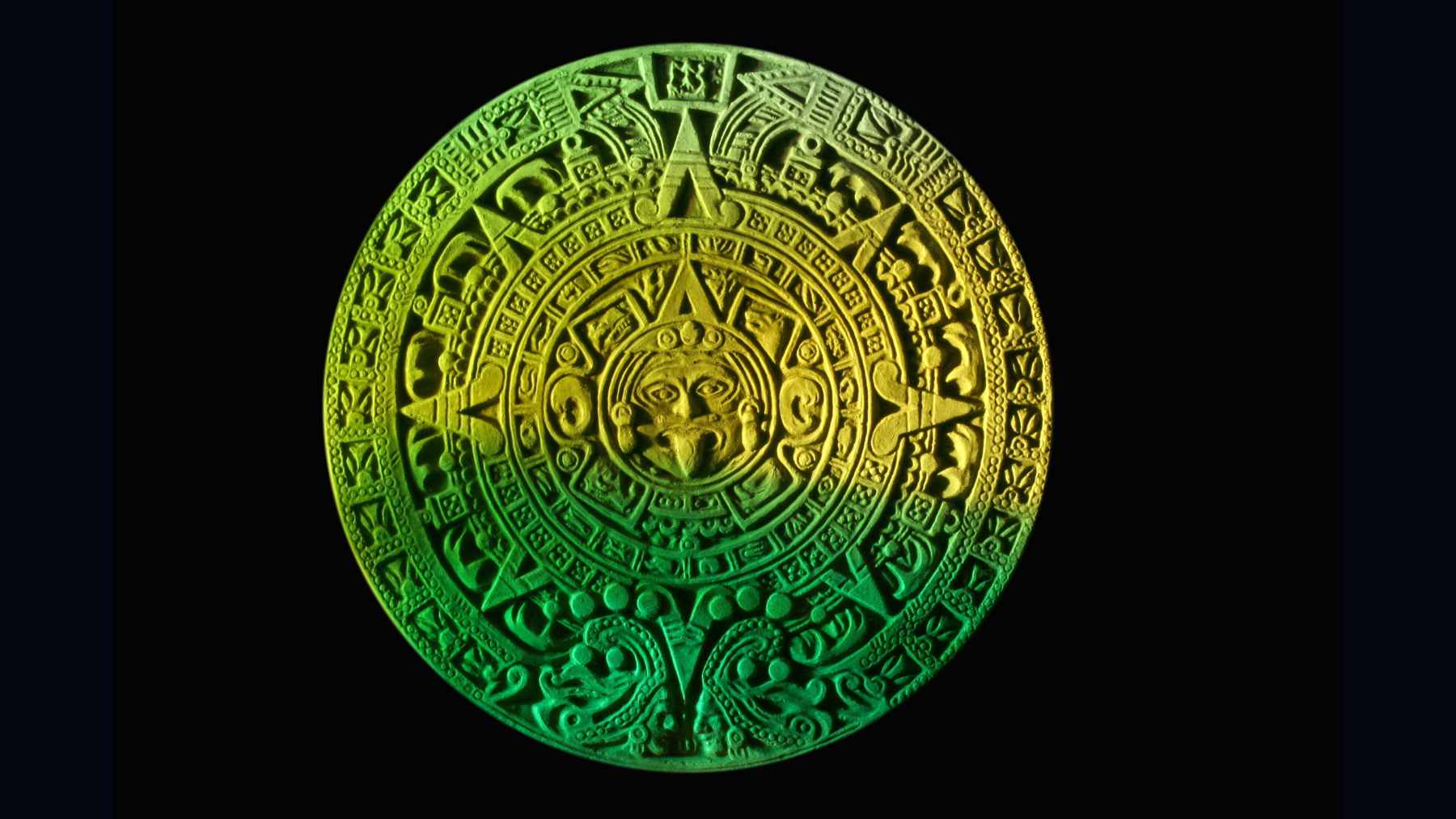
For years, headlines about the “Mayan calendar” focused on end-of-the-world myths. Behind those stories sat a real scientific puzzle that experts could not quite solve. Now researchers say they finally understand how one of the most mysterious Maya time cycles, the 819 day calendar, really works.
Anthropologists John H. Linden and Victoria R. Bricker found that this cycle only makes sense when it is treated as part of a much longer pattern that spans about 45 years. Over that stretch, the 819 day rhythm lines up neatly with the movements of all the planets visible to the ancient Maya, from Mercury to Saturn. In practical terms, the calendar becomes a kind of long-term sky chart instead of a short daily planner.
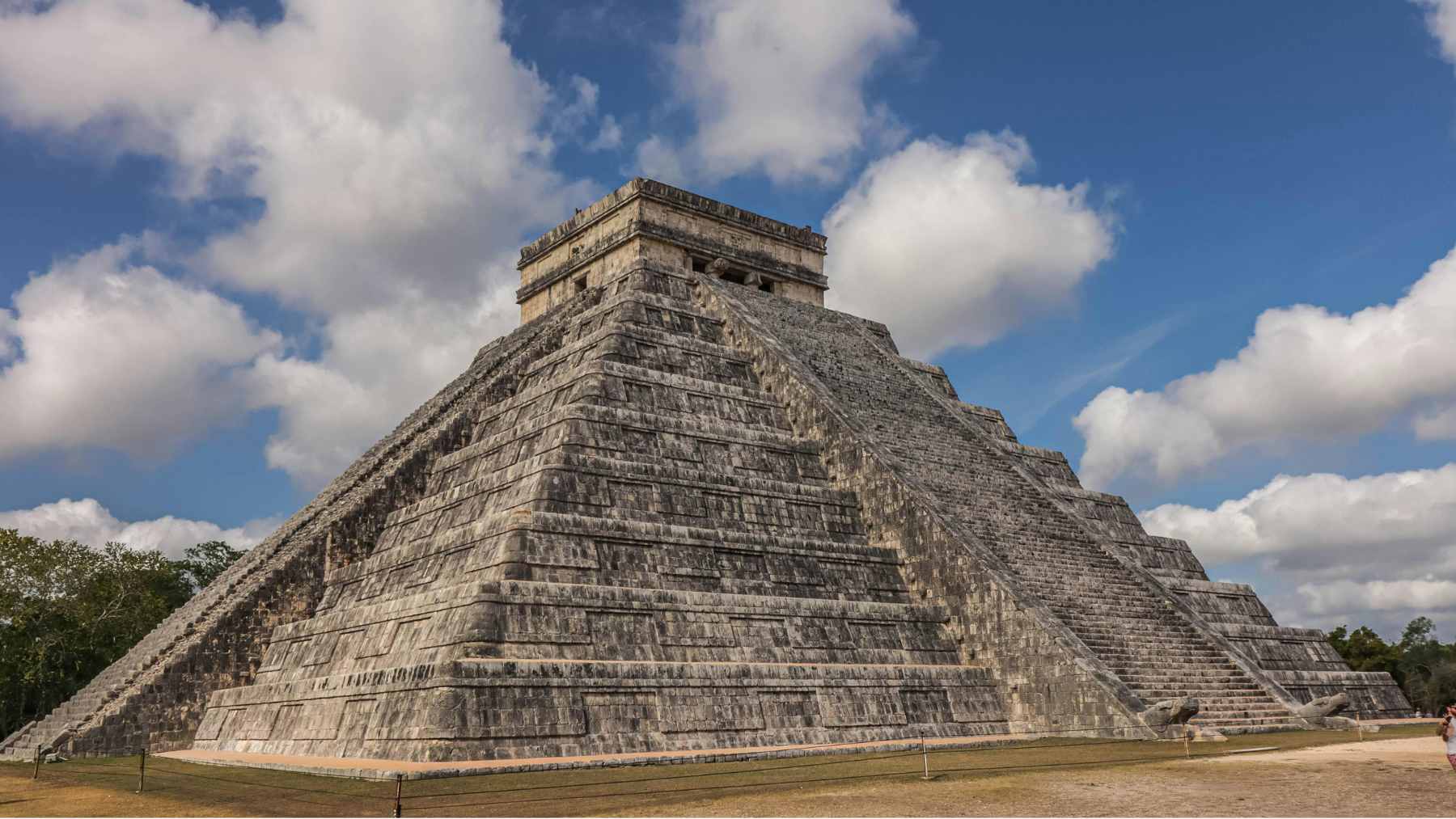
What is the mysterious 819-day Mayan calendar?
Ancient Maya scribes carved the 819-day count on monuments and in handwritten books, tying each block of 819 days to a color and a direction such as east or west. This special cycle sat alongside other calendars that tracked the solar year and religious festivals. For the most part, though, no one in the modern era could say exactly what this extra count was for.
Scholars already suspected that the 819-day cycle had something to do with the planets. They knew that Maya astronomers watched the night sky very carefully and recorded how long it took each planet to appear again in the same spot, a span known as a synodic period. That idea fit the general picture but the numbers stubbornly refused to line up.
Earlier research treated the calendar as four blocks of 819 days linked to the four directions, adding up to a little more than nine years. Within that window, only the fast moving planet Mercury matched the 819 day rhythm in a simple way, while Jupiter, Saturn, Mars, and Venus all landed slightly out of sync. The mystery stayed put.
A 45-year pattern hidden in the numbers
The breakthrough came when Linden and Bricker stopped trying to squeeze every planet into a few short cycles and stretched the timeline instead. They argued that the 819 day scheme on its own was “too short to fit well with the synodic periods of the visible planets” and needed a longer view. When they looked at twenty 819 day periods in a row, a pattern appeared that fits all the visible planets over about 45 years.
Most of us plan our lives around school years, elections, or maybe a thirty year mortgage, not a forty five year sky cycle. Who really thinks in forty-five-year blocks of time? Yet the new work suggests that Maya astronomers were comfortable thinking in decades of patient observation, using the 819-day count as a slow moving framework to guide predictions across much of a human lifetime.
How the planets fit into the Mayan calendar
Once the researchers expanded the view to twenty cycles, the arithmetic became surprisingly tidy. Within that span, Mercury completes its repeating pattern during every single 819-day block, while Venus clicks into place every five blocks, Saturn every six, Jupiter every nineteen, and Mars every twenty. In other words, each planet returns to a key point in the sky a whole number of times within the larger calendar.
For example, Mercury appears in the same position in the sky roughly every 117 days, a rhythm that slots evenly into 819 days. Slower planets like Jupiter and Saturn need several 819 day blocks before they sync up, but over the full 45 years they also land on regular beats in the count. That regularity is what convinced experts that the calendar really is tied to planetary motion.
Linden and Bricker also note that the 819-day count probably connects to other Maya systems such as the sacred 260-day calendar and the longer Calendar Round. The station points in their model mark moments when planetary positions and day names repeat together, which would be useful for choosing ritual dates or royal celebrations. At the end of the day, what the system seems to do is turn the night sky into a long running schedule of meaningful days.
What this discovery tells us about Mayan science
This solution adds weight to the idea that Maya astronomers tracked the sky with remarkable care using only the naked eye. The research is also part of a decades-long effort to decode Maya timekeeping as a whole, from lunar tables to charts of the planet Mars.
Researchers still see areas where the 819 day system needs more study, so they caution that the picture is detailed but not yet complete.
For people today, it is easy to think of ancient calendars as simple date keepers, something like an old paper planner on the kitchen wall. The 819-day count shows a different side, one where careful observation, mathematics, and religious meaning all fold into a single design.
The main study was published in “Ancient Mesoamerica”.