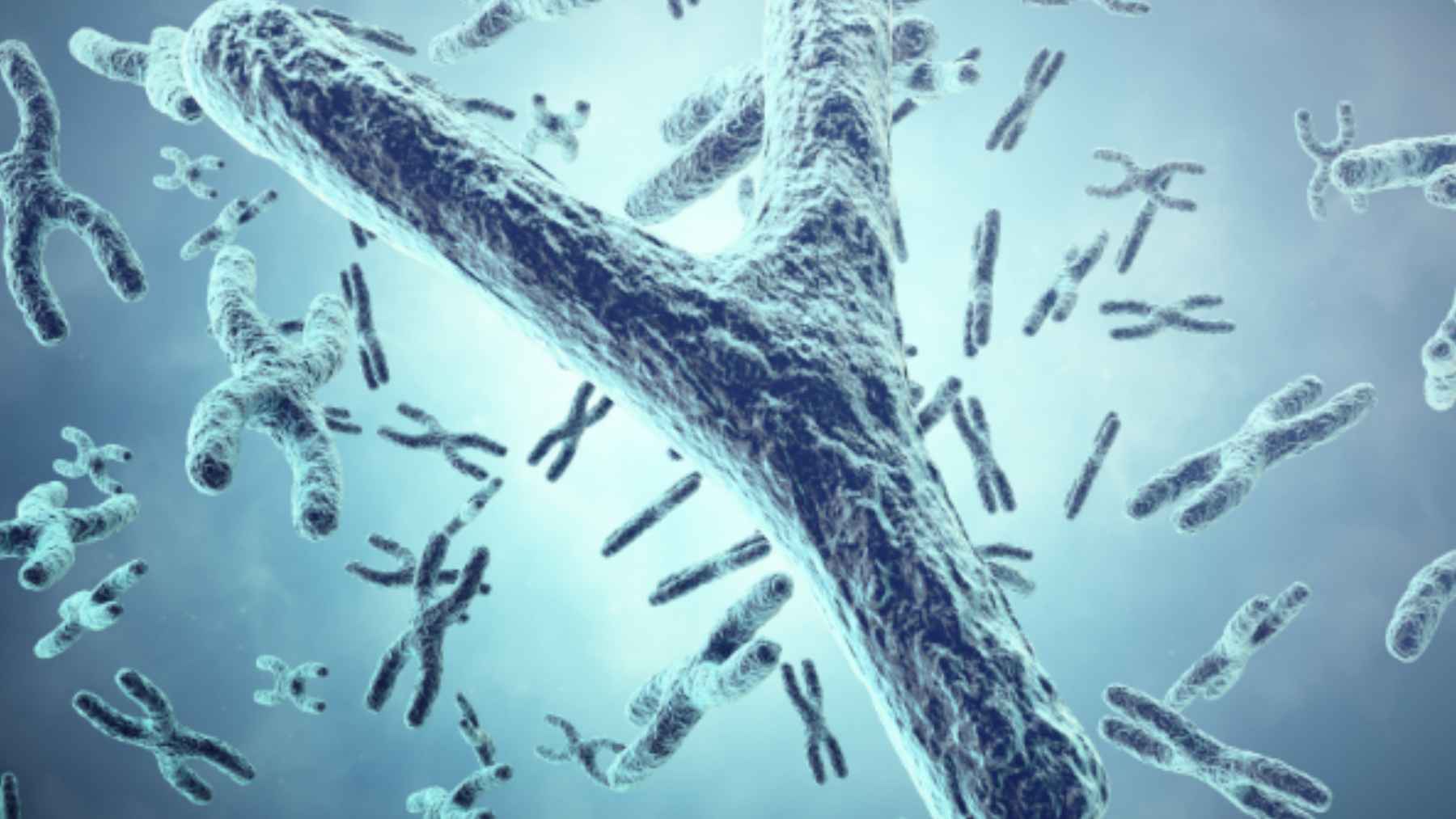
Scientists once thought the Y chromosome was a tiny passenger in our DNA that did little beyond deciding who develops as male. New research now suggests that when many cells in a man’s body quietly lose this chromosome, the risk of heart disease, cancer, dementia, and early death goes up.
This change is known as mosaic loss of the Y chromosome, or mLOY, because some cells keep the Y while others lose it. Geneticist Jenny Graves at La Trobe University and researchers Maki Fukami and Mami Miyado describe mLOY as one of the most common age related genetic changes in men and “the most common acquired chromosomal alteration in humans.”
What mosaic loss of the Y chromosome means
In mLOY, the Y chromosome drops out of some body cells during normal cell division. Because the Y carries relatively few genes that are essential for basic cell survival, those Y free cells can keep living and dividing, so they gradually build up and create a patchwork of cells with and without the Y.
Modern DNA tests show that mLOY becomes more frequent with age. More than forty percent of older men have detectable Y loss in blood, and in some studies more than half of men close to ninety are affected. Age is the biggest factor, but smoking, certain environmental exposures, and inherited variants in genes that control the cell cycle also appear to raise the odds.
How losing the Y affects men’s health
Links between mLOY and disease are turning up across the body. Men with high levels of Y loss in blood are more likely to die earlier and to develop heart disease, kidney disease, and neurodegenerative conditions, including forms of dementia that look like Alzheimer disease.
Large population studies report more heart attacks in men over sixty with extensive mLOY and a higher chance of dying from COVID. Researchers have also found far more Y loss in men with Alzheimer type dementia compared with peers of similar age without the disease, and several studies show that men with extensive mLOY often face both higher cancer risk and worse outcomes.
Cancer research adds another layer. Y loss is common inside tumor cells, and work on eye melanoma, which is more frequent in men, suggests that losing the Y can directly change how cancer cells grow and spread.
Why it matters and what comes next
One key puzzle is whether mLOY actually causes disease or mainly signals that something else is going wrong. Aging, poor health, and inherited weak spots in genes that control cell division and cancer risk all seem to make Y loss more likely, so mLOY can act as a marker of broader genomic stress.
At the same time, there are hints of direct harm. Animal studies where cells without the Y were transplanted into mice led to more heart problems, and because the Y chromosome carries regulatory genes that help control immunity and tumor growth, many scientists think losing it can help drive disease in older men. Could losing the Y one day be checked with a simple blood test alongside standard midlife screenings.
The main study has been published in the journal Reproductive Medicine and Biology.