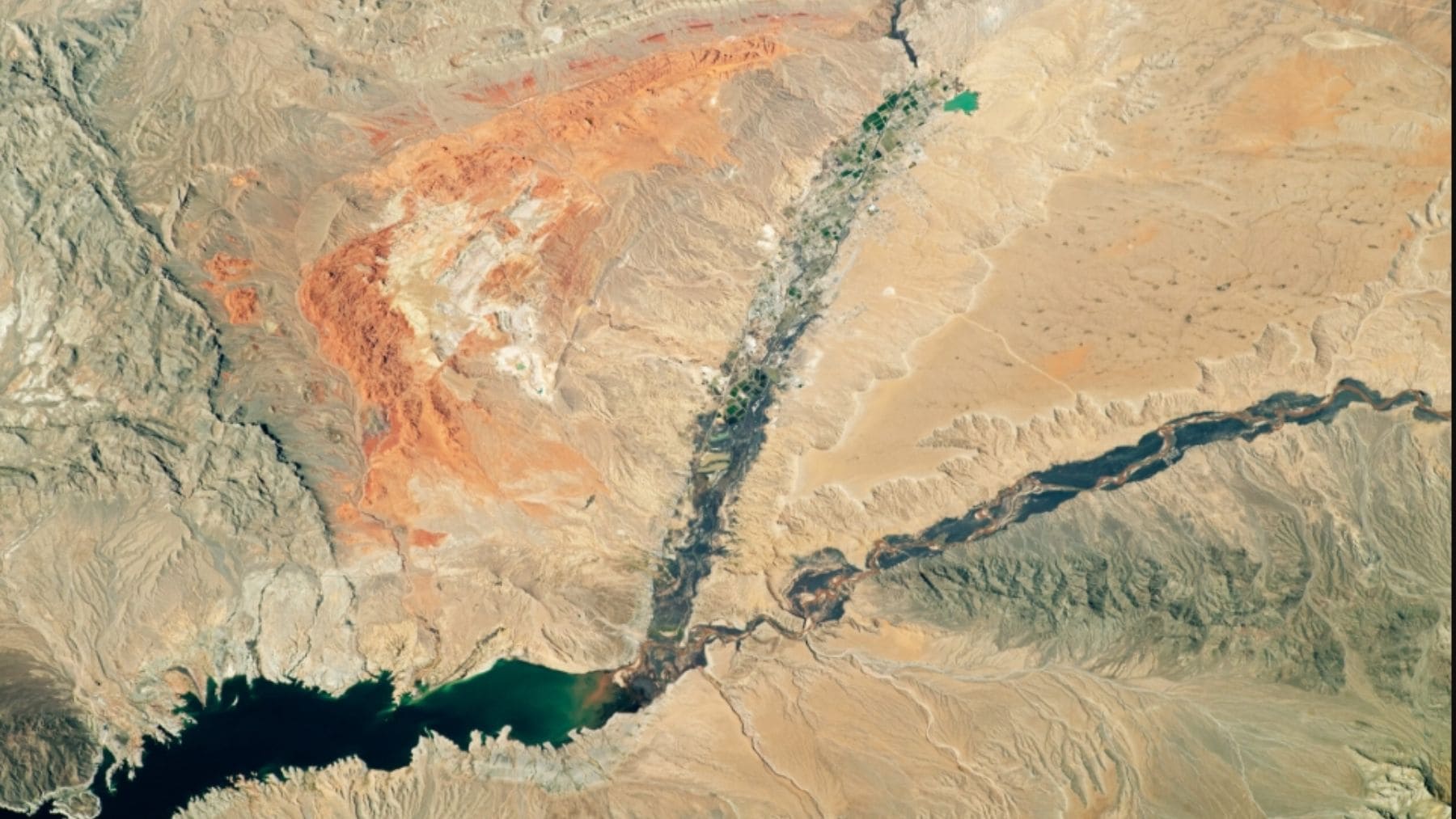
The future of clean energy is neatly tucked in the arid landscape of North Las Vegas, Nevada. The great news is that the world’s largest liquid hydrogen production facility, operated by Air Liquide, is now producing up to 30 tons of liquid hydrogen per day. Today, the significance lies in hydrogen’s day-to-day output, technological sophistication, and its core role in the clean energy transition sweeping across the U.S. and beyond.
More about this desert powerhouse: Producing 30 tons of hydrogen daily
What makes Air Liquide’s facility in North Las Vegas so amazing is not just its large by size, but the fact that it’s unmatched in terms of scale of production. Created with the core purpose of supplying hydrogen mobility and industrial markets, the plant has achieved a production capacity of 30 tons per day of liquid hydrogen, making it the highest-producing liquid hydrogen plant on the planet.
The hydrogen generated at this powerplant is liquefied at ultra-low temperatures, making the hydrogen suitable for a variety of applications, including fuel cell vehicles, clean power solutions, and industrial processes. The plant’s output is rather impactful as it is able to fuel over 40,000 hydrogen-powered vehicles in California alone thus helping to meet that state’s aggressive clean energy targets under the Low Carbon Fuel Standard (LCFS).
The facility is able to use renewable electricity and renewable natural gas, unlike traditional fossil-fuel based hydrogen, thus enhancing its environmental credentials. It’s a rather rare combination of high volume and low carbon intensity.
So much more than just fuel: Clean growth
The North Las Vegas plant is a model of both economic and technological development. With a generous $250 million investment, Air Liquide has managed to establish not just a single production site, but a logistics infrastructure capable of reliably distributing liquid hydrogen across the region.
The facility’s impact extends beyond clean energy. The project was able to create approximately 700 contractor jobs during its construction phase and now has 25 permanent full-time positions. As more companies move into the area to benefit from the new energy ecosystem, the plant catalyzes financial revitalization in North Las Vegas and surrounding regions.
How does Air Liquide keep it green?
One of the core reasons that this hydrogen-producing facility stands out is not solely due to the volume of hydrogen produced, but on how hydrogen is made. Air Liquide moves away from relying on black hydrogen by utilizing and amalgamating several clean hydrogen production methods:
- Electrolysis using renewable energy: The method is focused on splitting water into hydrogen and oxygen using electricity from renewable sources, producing zero emissions during the process.
- Renewable natural gas integration: Specifically for Californian markets, the hydrogen can be produced using renewable natural gas to meet the LCFs, providing yet another layer of sustainability.
- Carbon capture technologies: Carbon is captured and stored where fossil-based hydrogen is used for minimizing emissions and aligning with clean energy standards.
Thus, the North Las Vegas plant surely is a global benchmark in low-carbon hydrogen production, setting the tone for similar projects worldwide.
A leader in the hydrogen revolution
The North Las Vegas hydrogen plant is not just a large facility; it’s the beacon of energy transition in action. With the global community focused on carbon neutrality, this facility proves that industrial-scale hydrogen production can be clean, efficient, and economically beneficial.
Liquid hydrogen, which can fuel zero-emission cars and power industrial processes without pollution, is no longer a future dream but a current reality being produced on a mass scale in the Nevada desert. The growing demand for sustainable energy solutions is delivered by the world’s largest liquid hydrogen facility. This hydrogen-producing leader, along with Exolum’s ability to transport and store green hydrogen in England, could be quite the pair if they ever join forces.