California’s highest court has unanimously reopened a legal battle that could reshape how much utility companies pay homeowners for extra electricity from rooftopsolar panels. The ruling does not set new rates today, but it sends the case back to a lower court and raises the odds that recent cuts to solar credits will face tougher scrutiny.
For many families, this is not an abstract policy debate. It can show up on the electric bill, especially during that sticky summer heat when air conditioners run nonstop and power demand spikes.
What the court decided and what it did not
In its August 7, 2025 decision, the California Supreme Court said the Court of Appeal used an overly hands-off approach when reviewing the California Public Utilities Commission’s interpretation of state law. The justices reversed the lower court’s judgment and ordered it to take another look under the proper legal standard.
That nuance matters. The court did not rule that the newer payment rules are legal or illegal, and it did not order utilities to immediately raise credits for solar customers. Instead, it cleared a path for the appeals court to decide whether the commission followed the law when it approved the new system.
Net energy metering in plain English
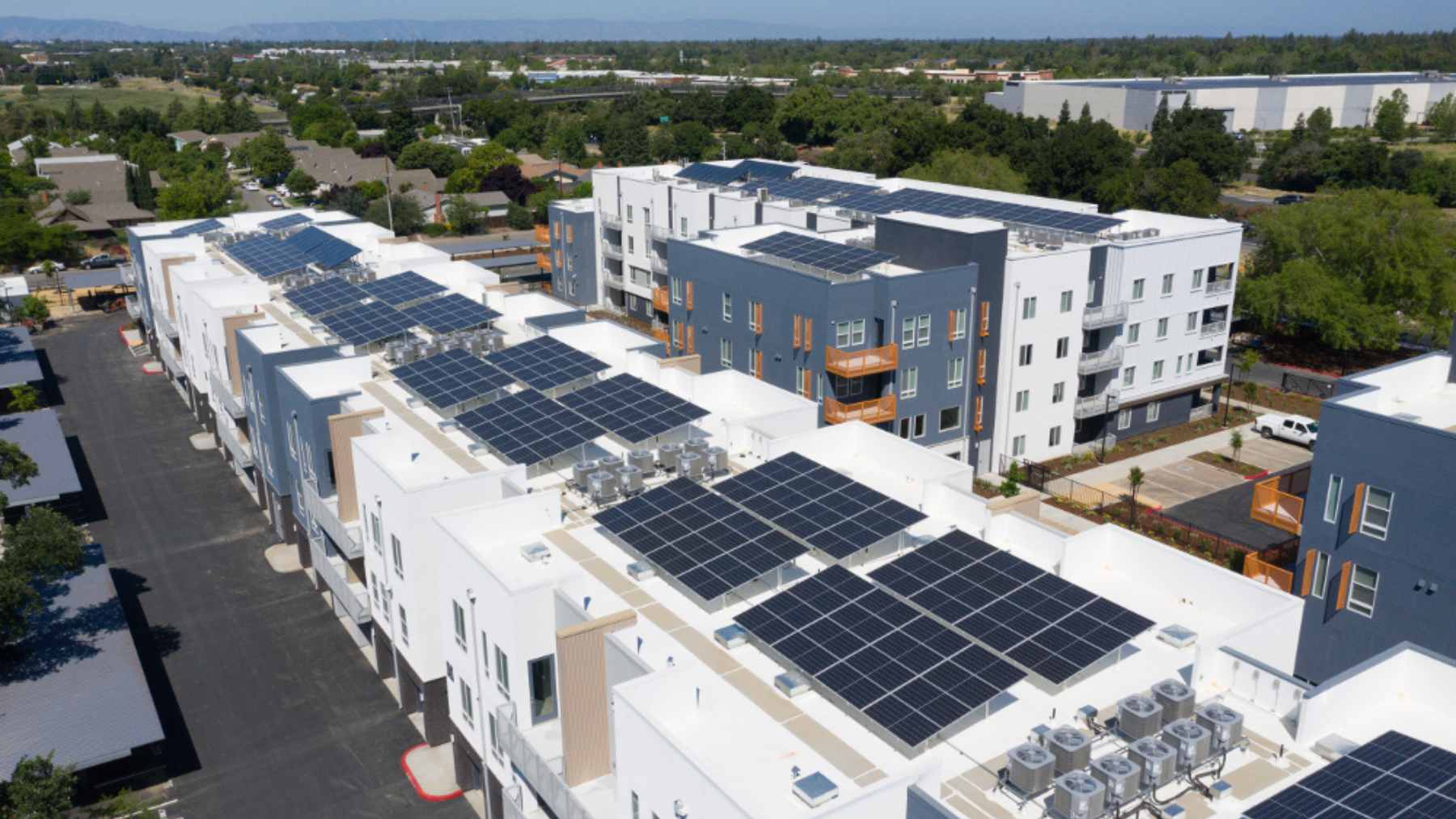
Rooftop solar often makes more electricity than a home needs at certain times, especially midday. Under “net energy metering,” homeowners can send that extra power to the grid and receive a credit, basically a bill offset, from the utility.
California regulators revamped that setup in 2022 with the policy widely known as NEM 3.0, also called the net billing tariff. The change reduced the value of those credits for many new solar customers, with reports describing cuts of about 75 percent compared with earlier versions.
Customers who joined earlier programs generally keep their older credit structure for years, while people who switched to the post-2023 rules get the newer, lower compensation. Supporters of the cut argued it would reduce costs that get spread across customers without rooftop solar.
Why environmental groups pushed the case
Three organizations, the Center for Biological Diversity, the Protect Our Communities Foundation, and the Environmental Working Group, challenged the state’s approach, arguing that weaker credits could slow solar adoption and make rooftop systems harder to afford in lower-income neighborhoods.
They warned that the people who could benefit most from lower bills might be the ones least able to buy in.
Roger Lin, a senior attorney for the Center for Biological Diversity, framed the issue in pocketbook terms, saying, “We don’t need [to be in] an affordability crisis if we have more local generation.” The argument is that power made close to where it is used can reduce strain on the grid and lower some system costs over time.
Utility regulators, meanwhile, have defended the shift by pointing to fairness concerns. The commission has said previous credit levels could cause non-solar customers to pay more for shared grid expenses, a claim that solar advocates call overstated as rooftop systems become more common.
What happens next for homeowners and the solar market
The case now returns to the Court of Appeal, which will reassess the commission’s decision using the stricter review standard the Supreme Court described. In practical terms, that means the appeals court may take a harder look at whether the state properly weighed the benefits and tradeoffs the law requires.
If the lower court ultimately finds problems with the commission’s approach, California could see pressure to revise how rooftop solar exports are valued. That could affect not only future solar shoppers, but also broader planning for a grid that is adding more clean electricity while trying to keep monthly bills from climbing.
At the end of the day, the ruling is less a final victory than a reset button. The big question now is whether the next round in court changes the rules enough to make rooftop solar feel achievable for more households, not just the ones who can easily afford the upfront cost.
The main decision has been published by the Supreme Court of California.