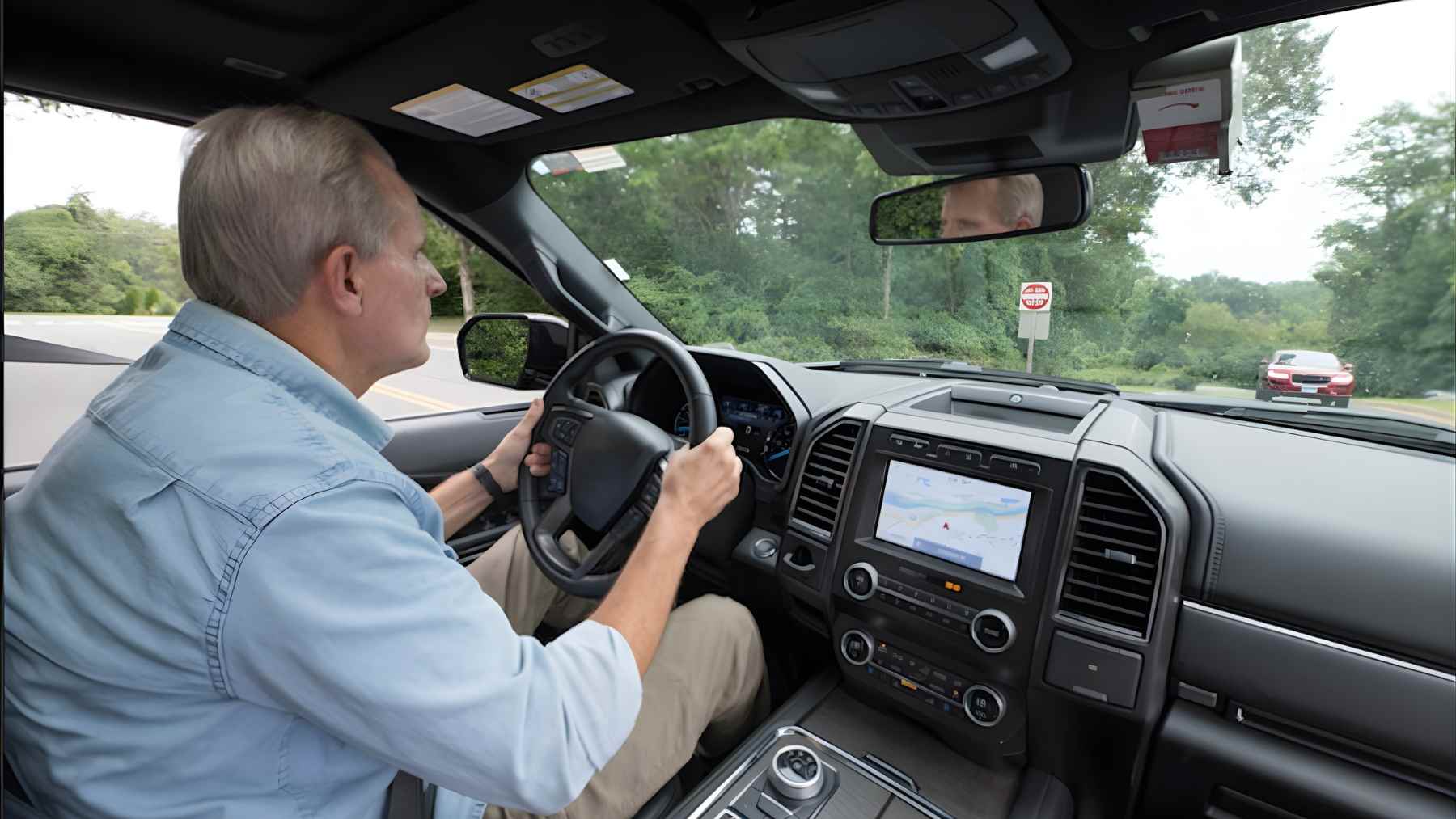
Across the United States, older drivers are hearing scary claims that a sweeping federal rule will force everyone over 70 to pass new tests or hand over their keys. The reality is calmer and more local. There is no nationwide senior driver law. States still control license rules, and many are updating how they handle older drivers to protect safety while preserving independence. At the same time, these choices quietly shape another big issue: we all share climate pollution from cars.
The numbers explain why policymakers are paying attention. In 2023, 7,891 people aged 65 and older died in traffic crashes in the United States. That was about 19 percent of all road deaths, even though this age group made up roughly 18 percent of the population. In 2022, there were almost 52 million licensed drivers aged 65 and older, a jump of about 77 percent since 2004 as Americans live longer and keep their licenses longer. Older drivers are not necessarily more reckless. Their higher death rates per crash are largely linked to physical fragility, which makes injuries more severe when something does go wrong.
So how do you keep people safe without trapping them at home?
Rumors, reality, and who makes the rules
Over the past year, social media has been flooded with charts claiming that the US Department of Transportation is about to standardize strict renewal tests for everyone over 70. A Rochester television fact check spoke with a county clerk who confirmed that this story is false and that federal transportation officials do not run local DMVs. An elder law briefing likewise stresses that no state revokes a license based only on age, and that rules for older drivers remain a patchwork set at the state level.
What is true is that many states already have special renewal provisions once drivers reach their late sixties or seventies. Others are actively debating changes, sometimes tightening rules and sometimes relaxing them, as Illinois recently did when it proposed raising the age for mandatory behind the wheel tests from 79 to 87 while adding new ways for families to report unsafe drivers.
What older drivers are actually facing
Most states now add at least one extra safeguard for older motorists. The Insurance Institute for Highway Safety notes that many require shorter renewal periods, in-person visits, vision checks or road tests for drivers above a set age, often in the seventies. In practical terms, that can mean getting your license renewed every two to five years instead of every eight, sitting for a quick eye exam at the counter and answering simple health questions about medications, memory or reaction time.
If DMV staff, police, doctors or even family members flag serious concerns, states can ask for a medical evaluation or an on-road driving test. These tools are not automatic punishments. They are closer to a safety checkup, similar to the way your doctor might adjust blood pressure medicine rather than waiting for a crisis.
Evidence suggests some of these steps matter. Research summarized by the Insurance Institute for Highway Safety finds that in-person renewals and mandatory vision testing are the only licensing policies clearly linked to lower fatal crash rates among the very oldest drivers, especially those over 85. When states lengthened renewal intervals or leaned heavily on remote renewals, injury crash rates for older drivers rose. That gives weight to the idea that a face-to-face visit, and a clear look at someone’s eyesight, can catch problems before they show up on the road.
Where climate enters the picture
All of this plays out against a bigger environmental backdrop. According to the US Environmental Protection Agency, transportation produced about 28 percent of all US greenhouse gas emissions in 2022, the largest share of any sector. Cars and light trucks carry much of that burden.
Older adults may drive fewer miles than middle-aged workers on long commutes, yet their trips still add up to millions of miles each day. Many also hold on to older, less efficient vehicles for understandable reasons; the car is paid off, it feels familiar and trading it in is stressful. From a climate perspective, that combination of aging drivers and aging vehicles can quietly keep fuel use and emissions higher than they need to be.
On the other hand, older drivers are already more likely to avoid night driving, heavy traffic and bad weather. Those habits line up with lower crash risk and can also cut fuel use. Small shifts, such as combining errands into one trip instead of several or sharing rides to medical appointments, reduce both risk and exhaust. For someone on a fixed income, using a little less gas also softens the shock when the fuel bill or electric bill arrives.
Turning license renewal into a mobility reset
License renewal rules for seniors do not have to be only about pass or fail. They can become a natural moment to talk about cleaner and safer ways to get around. EPA guidance on transportation emissions highlights four main levers: cleaner vehicles, better efficiency, smarter driving and simply reducing the need to drive by improving transit, sidewalks and bike routes.
DMV counters and local health clinics could use renewal reminders to nudge older residents toward practical options. For some, that might be information about rebates for efficient or electric cars, which are cheaper to run and cut tailpipe pollution in neighborhoods where many seniors walk or sit outside.
For others, the better fit may be discounted transit passes, dial a ride shuttles, or safer walking routes to the grocery store. When city planners widen sidewalks, add benches and improve crossings near clinics and senior centers, they are making it easier for older adults to drive less without losing independence.
At the end of the day, the real story is not a sudden national crackdown on seniors behind the wheel. It is a slow rebalancing of how we think about aging, safety and mobility in a country where cars are still the default. Clear, evidence-based renewal rules can protect older drivers and everyone around them.
Pairing those rules with cleaner vehicles and better alternatives to driving can also lighten the climate footprint of everyday trips, from pharmacy runs to family visits.
The study was published on “NHTSA”.