If you reach into your wallet right now, that little rectangle of plastic probably feels harmless. It proves you can drive, it gets you through airport security, it even stands in for a passport at hotel check‑in. Yet that same card sits inside a much bigger story about plastic, carbon and the slow greening of government paperwork.
Over the past century, U.S. driver’s licenses have changed from simple paper slips into high-tech identity documents packed with photos, barcodes and security tricks like holograms and laser perforations. Now, as states redesign their cards and experiment with digital licenses on phones, the way we prove who we are is being pulled into the sustainability conversation too.
From paper slip to high security plastic
In the early days of the car, anyone could climb behind the wheel and hit the road. Cities started testing drivers at the turn of the 20th century, and by 1910, New York was issuing paper licenses with photographs for chauffeurs, one of the first formats we would recognize today.
As cars multiplied and roads grew busier, licenses picked up more personal details like height and eye color and became a convenient all‑purpose ID. By the 1990s, many states had added magnetic stripes and machine readable features so police and other authorities could verify identity in seconds.
After the 9/11 attacks, security features tightened again with holograms, microprinting and tiny laser holes arranged into state symbols.
California’s latest redesign, which began rolling out in late 2025, adds colorful images of redwoods, golden poppies and the Pacific coastline while quietly dropping the old magnetic stripe. In its place, a secure digital signature sits inside a barcode, making counterfeiting harder and opening the door to more automated checks.
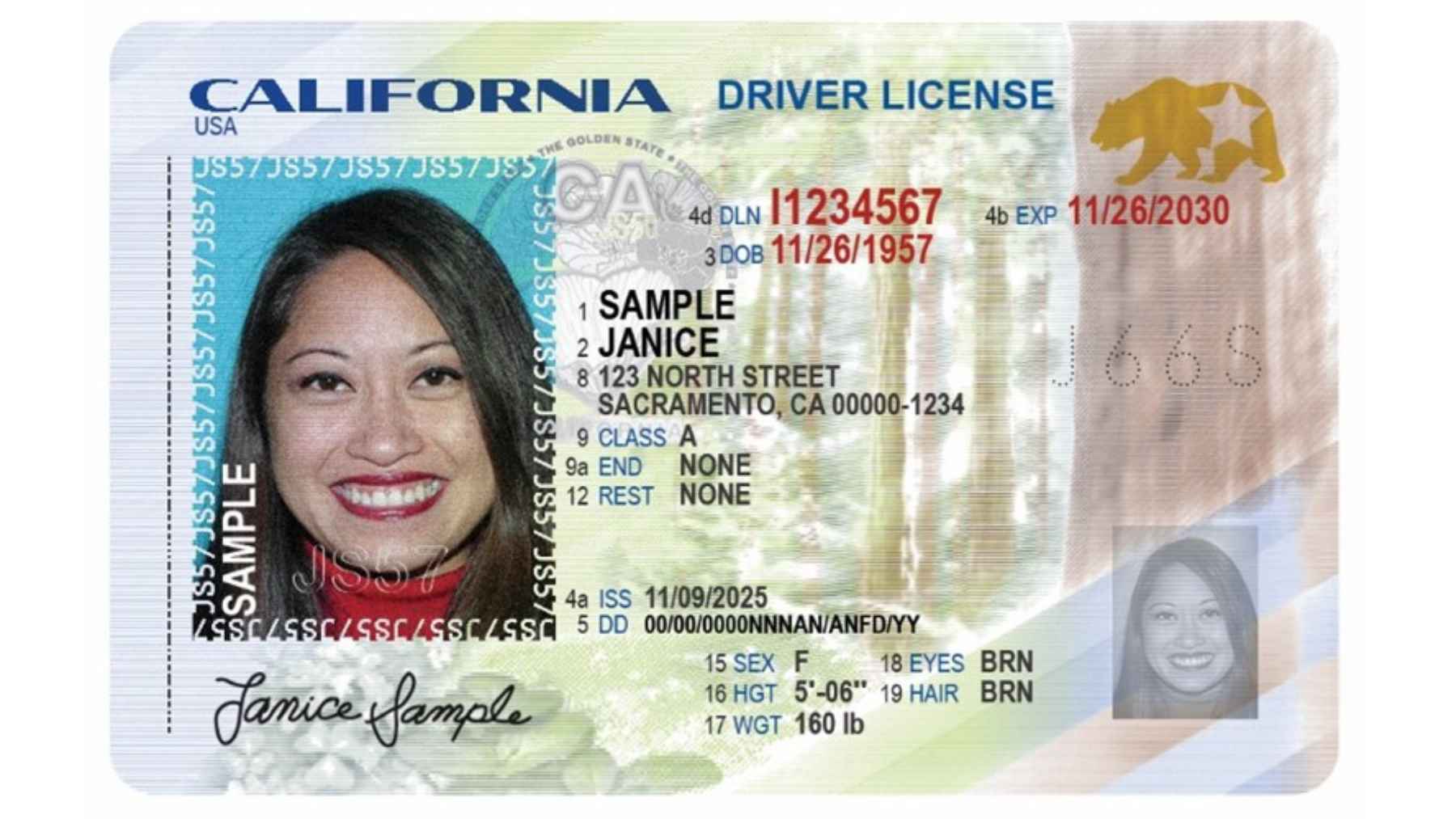
The same announcement nudges residents to “go paperless” for renewals and notices through online accounts, a small but concrete move away from printed mail.
So what does any of this have to do with the environment?
The hidden footprint of identity documents
Modern driver’s licenses are typically made from durable plastics such as polycarbonate. These materials are prized because they resist wear, moisture and tampering. They are also tied to fossil fuels.
A 2024 scientific review of plastic polymers warned that plastics can cause environmental harm at every stage of their life cycle, from raw material extraction to manufacturing and final disposal. Identity specialists say the same logic applies to ID cards. The biggest emissions often come from sourcing and producing the plastic itself, followed by transporting finished documents around the world.
Industry analysts who summarized a recent Thales whitepaper note that identity documents still rely heavily on “fossil carbon” plastics. They argue that shrinking card components, using certified recycled polycarbonate and cutting back on air freight can meaningfully reduce both greenhouse gas emissions and waste without sacrificing security.
There are early examples of this shift in practice. In the United Kingdom, the Driver and Vehicle Licensing Agency (DVLA) and Thales report that, since 2018, they have cut more than one-third of the CO₂ emissions linked to the 12 million cards supplied each year, helped by eco design, smaller embedded chips and factories powered entirely by renewable electricity for most of their energy use.
It is a lot of effort for a card that mostly sits in a pocket or glove compartment. Yet multiplied by hundreds of millions of drivers, it starts to add up.
Digital licenses promise less plastic, but not zero impact
If plastic cards are a problem, is the answer to move everything into your phone and be done with it?
Security and access control experts say mobile credentials already help organizations cut costs and plastic waste, since employees and visitors do not need new cards every time they join, leave or lose a badge. One industry analysis notes that digital wallets holding IDs and licenses “eliminate plastic cards” and can even support green building goals when paired with smart energy management.
Government agencies are thinking along similar lines. DVLA’s own strategy explains that every extra digital service reduces the amount of paper the agency has to print and mail, which in turn brings down its carbon footprint. California’s DMV now promotes online renewals and electronic notices as standard, a familiar shift for anyone who has switched their bank or utility to email billing.
Still, going digital does not make the impact disappear. Mobile licenses depend on smartphones, cloud servers and networks that all consume electricity. Experts caution that it is too early to say exactly how the full footprint of a digital license compares with a physical card in every context.
The emerging consensus is more modest. To a large extent, replacing millions of single-use plastic cards with longer lived or virtual credentials likely helps, especially when governments also clean up the energy that powers their data centers.
What drivers and governments can do
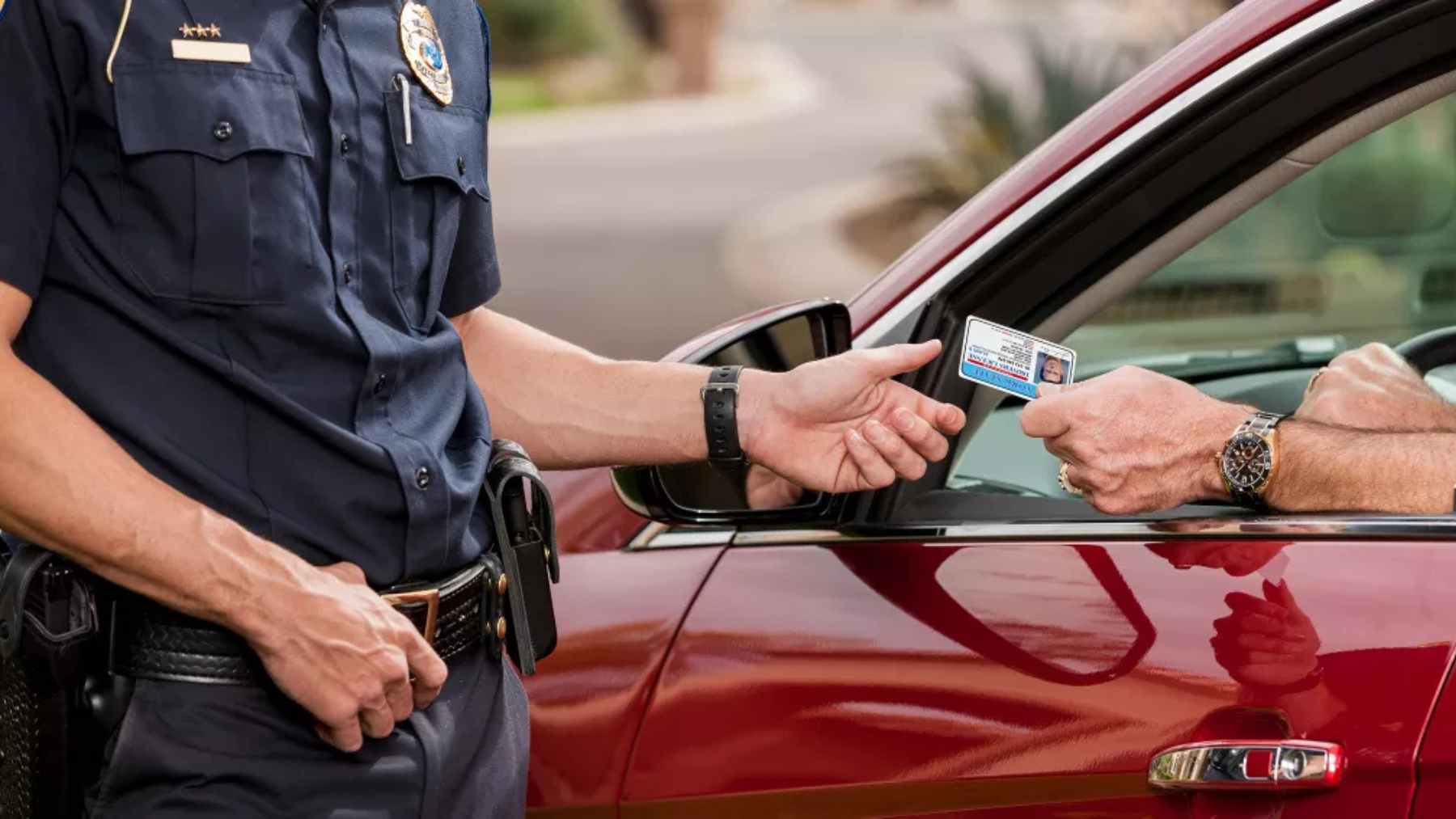
For most of us, a driver’s license is something we only think about when it expires or when an officer asks to see it on the side of the road. Yet the small decisions around that card point toward bigger systems.
Governments can set clear environmental requirements when they issue contracts for licenses and ID cards, favor suppliers that use recycled or lower-carbon materials, and push for greener shipping and renewable powered factories. Agencies can also speed up digital options where they are secure and accessible, reducing paper mail and unnecessary trips to crowded offices.
Drivers have a quieter role. Choosing paperless notices, keeping a card until it expires instead of replacing it early, and accepting secure digital licenses where they are offered all support those broader shifts. It may not feel as tangible as sorting the recycling or biking to work, but it sits in the same family of everyday choices that, taken together, reshape demand.
Next time you hand over your license at a rental counter or in a traffic stop, it might be worth a passing thought. That little card is part of a global experiment in how to keep people and roads safe while putting less strain on the planet.
The press release was published by the California DMV.