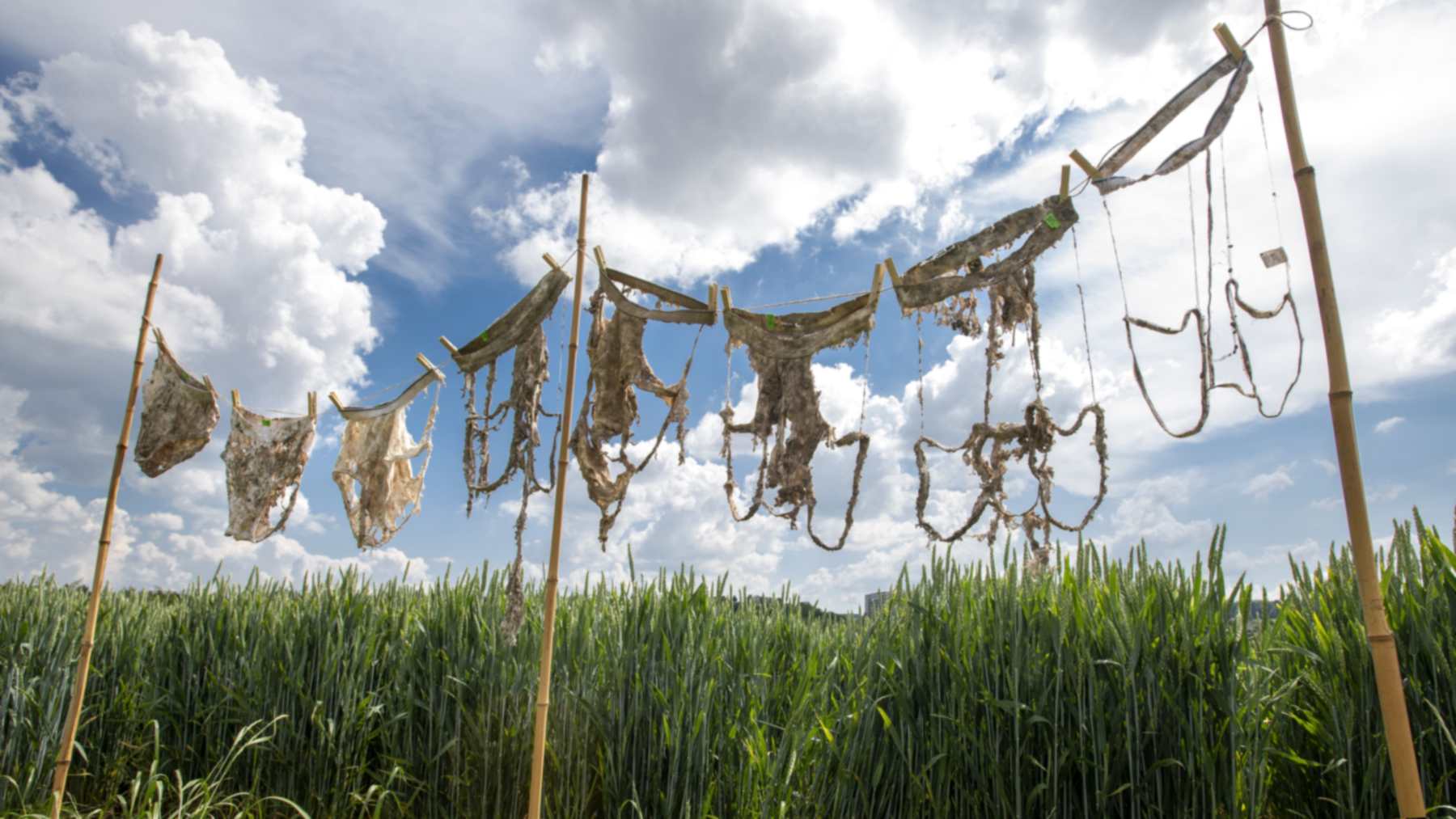
What if the plastic water bottle in your backpack did not have to live forever in a landfill or drift into a river? That question sits behind a new wave of research on enzymes and microbes that can dismantle PET, the plastic used in many drink bottles and food containers.
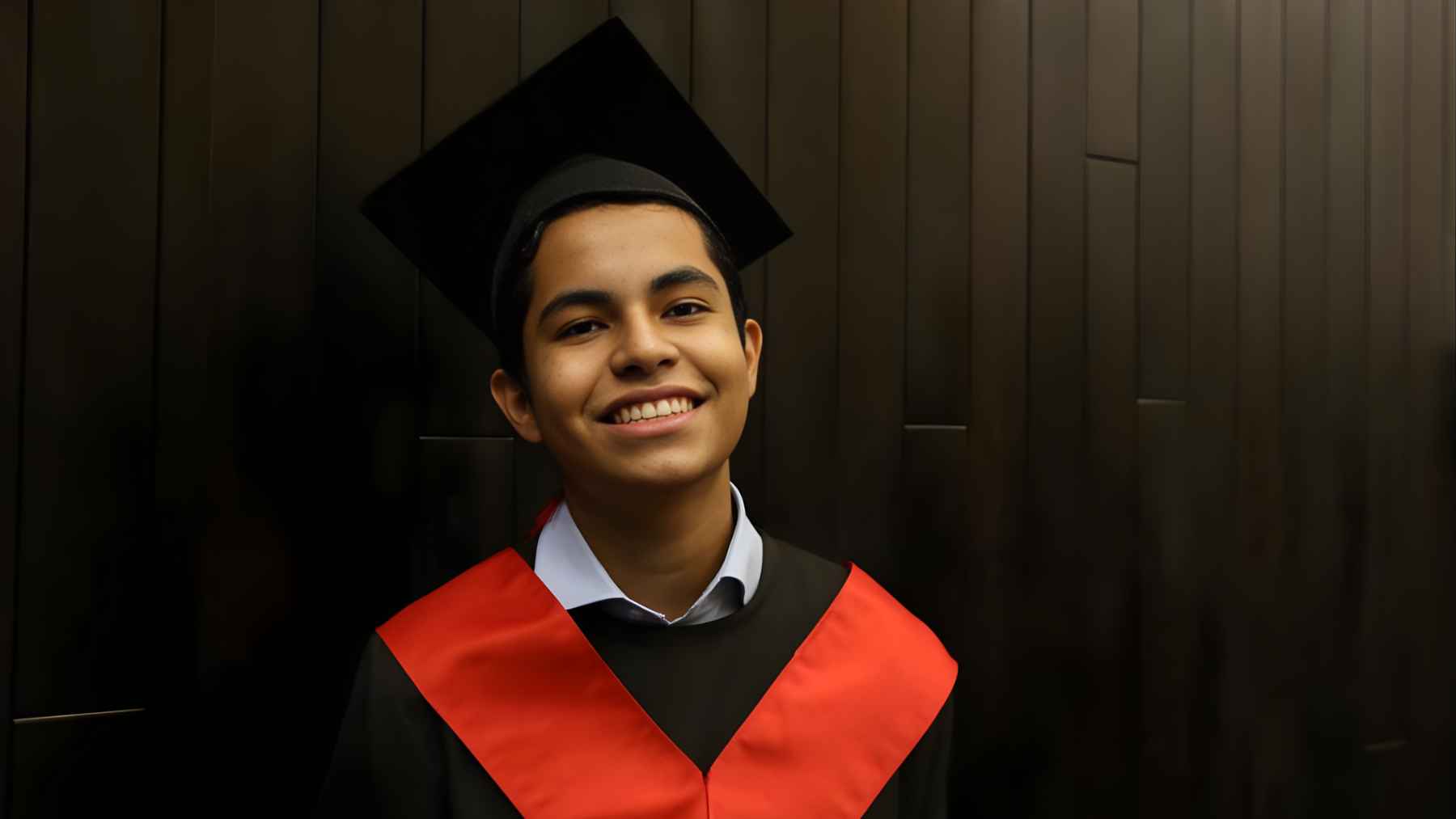
It is also part of the story of Ian Emmanuel González Santos, a Mexican student who has been featured in Spanish-language media for work linked to breaking down PET plastic with bacteria while preparing for doctoral research.
The idea of “plastic-eating bacteria” makes for a tempting headline, and sometimes it even sounds like a cleanup plan for the ocean. The reality is more grounded and, in some ways, more interesting. Biology can help turn PET back into reusable ingredients, but only when the plastic is collected, sorted, and treated like industrial feedstock, not scattered litter.
The teenager behind the lab work
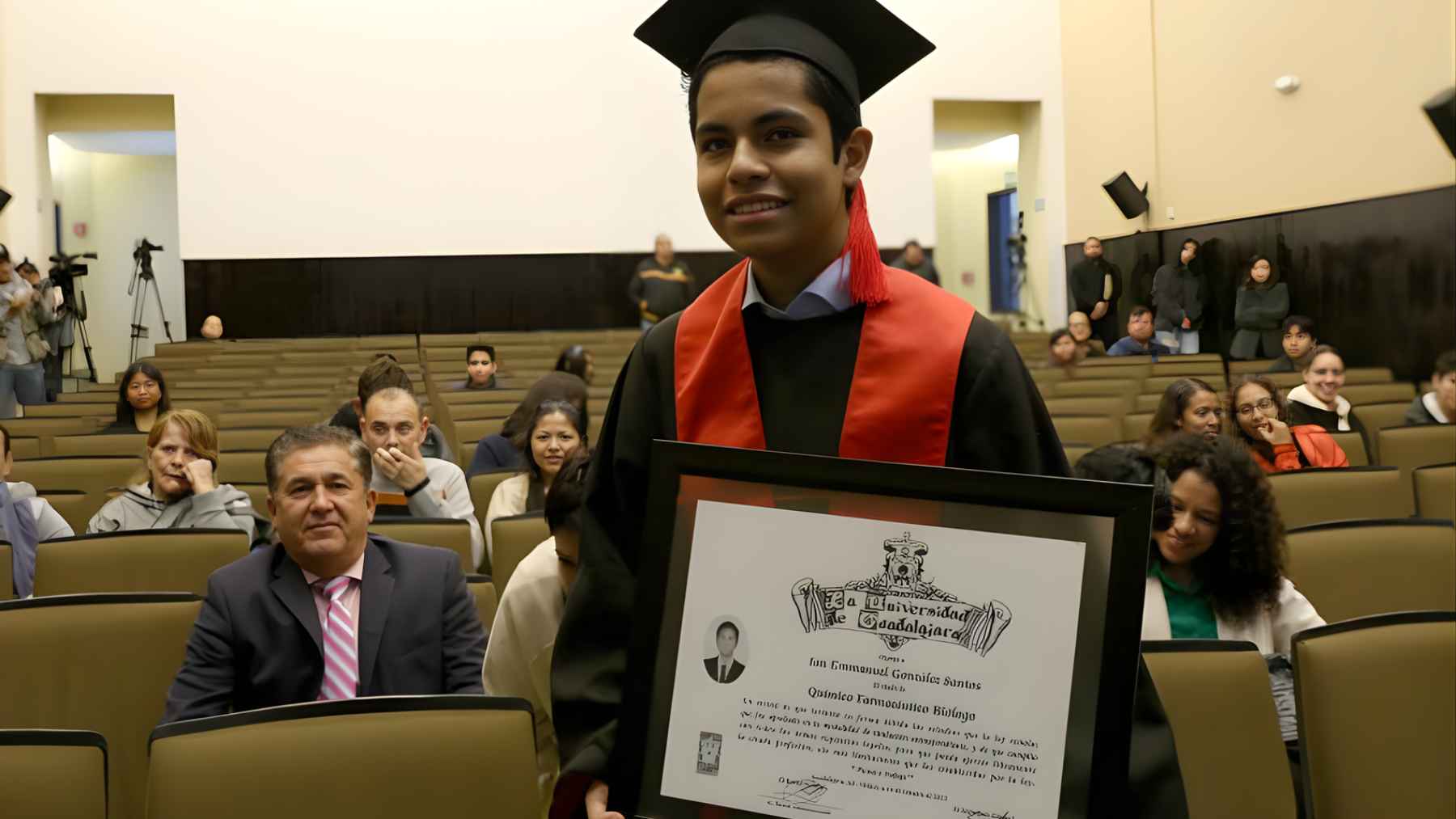
González Santos is 15 and pursuing doctoral-level work in molecular biology, according to interviews published in late 2025. The University of Guadalajara has also recognized him as its youngest graduate after earning a “Químico Farmacéutico Biólogo” degree at age 13, a program that blends chemistry, biology, and health sciences.
In a separate interview, he recalls being told at school that “what I had was attention deficit,” before educators and family support helped him move into advanced coursework.
His daily life still sounds surprisingly normal in places. He has described training for track and field and making time for music and video games, alongside his academic workload. He has also said his goal is to contribute “to humanity,” whether that is through plastic research or through his current doctoral focus on water safety, using metagenomics to study the genetic material present in Mexico’s largest lake.
Why PET keeps showing up in the trash
PET, short for polyethylene terephthalate, is everywhere because it is light, clear, and durable, which is why it dominates shelves of bottled water and soft drinks. That durability also means it is stubborn once it becomes waste, especially when it is mixed with food residue, labels, dyes, or other plastics.
If you have ever opened a recycling bin and seen a jumble of containers, you already understand the main challenge.
The numbers explain why researchers keep chasing better solutions. The OECD estimates global plastic production jumped to about 507 million U.S. tons in 2019 (460 million metric tons), up from roughly 258 million U.S. tons in 2000 (234 million metric tons), and plastic waste reached about 389 million U.S. tons in 2019 (353 million metric tons).
After losses during recycling, the OECD says only 9% of plastic waste was ultimately recycled. It estimates about 24 million U.S. tons leaked into the environment in 2019 (22 million metric tons), and it puts the plastics life cycle at an estimated 3.4% of global greenhouse gas emissions.
What it takes for a microbe to break down a bottle
A plastic bottle is basically a long chain of repeating molecules, and recycling it at a high quality level means cutting that chain in the right places. In a 2016 Science paper, researchers reported the bacterium Ideonella sakaiensis 201-F6, which can use PET as a major carbon and energy source by producing enzymes that hydrolyze PET and a key intermediate.
It sounds like science fiction, but the chemistry is straightforward once you think of enzymes as highly specialized cutters.
The big question has always been speed and practicality. A widely cited 2022 study in Nature described “FAST-PETase,” an engineered enzyme that could almost completely depolymerize untreated post-consumer PET from dozens of products in about a week under laboratory conditions, and it could work on some materials at about 122°F (50°C).
That is a meaningful step, but it is still a controlled process with carefully prepared plastic, not a shortcut for dealing with dirty, mixed waste.
The hard part is everything around the enzyme
So where does this leave the average household bottle? Most experts see enzyme-based recycling as a complement to existing systems, not a replacement for reducing waste or improving collection.
Enzymes typically work best when PET is separated from other materials and pretreated to increase surface area, which is why the “sorting” step is not just boring logistics – it is the whole game.
Recent recycling data shows both progress and the distance left to travel. The National Association for PET Container Resources reports the U.S. PET bottle recycling rate was 30.2% in 2024, after an updated 32.5% figure for 2023, and it says thermoform recovery reached 264 million pounds in 2024, a 52% jump from the year before.
Those gains are real, but they also highlight how much PET still slips through, especially when packaging formats are hard to collect or confusing for consumers.
Scaling up is the true stress test
Industrial scale is where promising biology either turns into a tool we can rely on, or it stays stuck in the lab. In March 2026, Carbios said it still aims to build its Longlaville facility in France and is targeting a start of production by the first half of 2028, while continuing to finalize financing and presales for the project.
Timelines like that can feel slow, but scaling any new recycling process means solving engineering, supply, and market problems all at once.
González Santos’s story adds a human note to that bigger race. New ideas can come from unexpected researchers, and it matters when schools and universities make room for high-ability students who do not fit the usual template.