Long before crowded medieval cities, flea-bitten rats, and the Black Death, plague may have been killing small bands of hunter-gatherers in Siberia. A new DNA study found the plague bacterium Yersinia pestis in 18 of 46 ancient skeletons from four prehistoric cemeteries along the Angara River near Lake Baikal.
The victims lived about 5,500 years ago, and many were children. That pushes the story of deadly plague outbreaks deeper into prehistory and challenges a tidy old idea that major epidemics needed farms, villages, and dense populations to take hold.
A cemetery mystery gets an answer
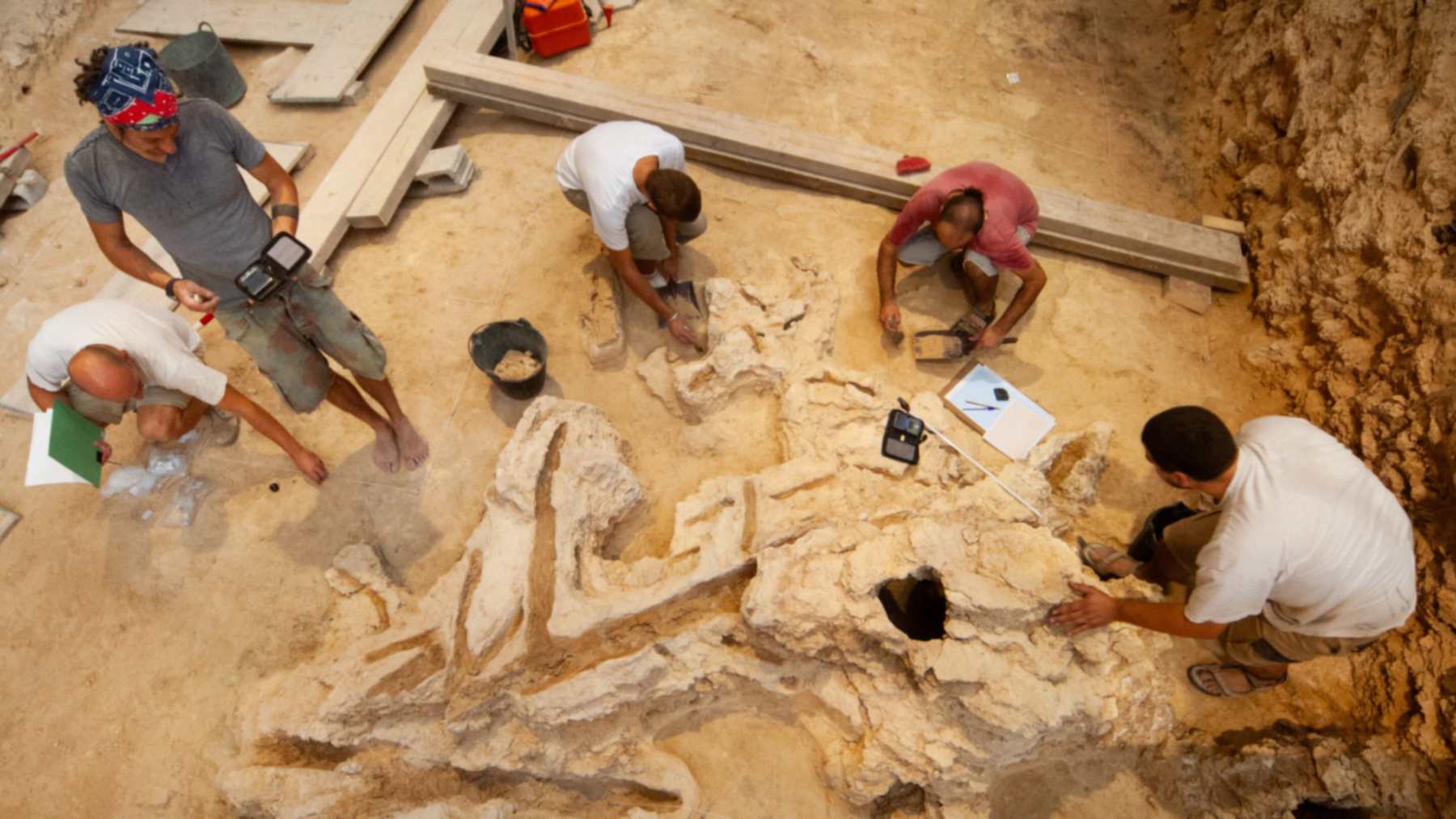
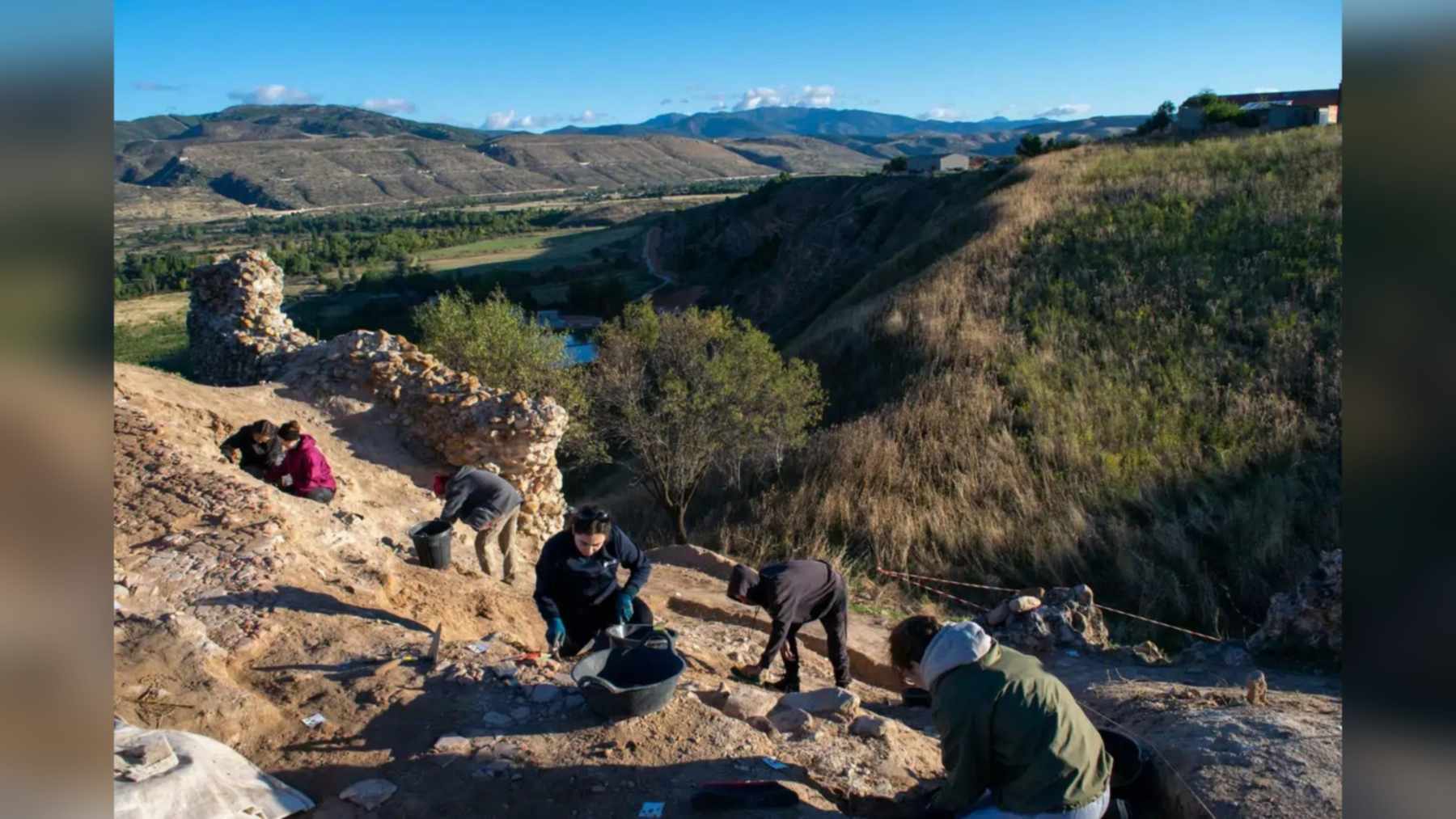
For decades, archaeologists had been puzzled by the unusual burials in this part of southeast Siberia. There were too many children, and some graves seemed to point toward sudden family tragedy rather than ordinary death over many years.
The answer came from ancient DNA preserved in teeth. Teeth can act like tiny biological archives, locking away traces of pathogens that once moved through the bloodstream. In this case, researchers detected Y. pestis across four cemeteries and linked the infections to two overlapping outbreak phases.
One especially moving grave contained three young girls who likely died at about the same time. Two appear to have been sisters, and the third was probably their cousin. Small details like that turn a genetic result into something much harder to forget.
Why this changes the plague timeline
Until now, the oldest strong evidence for plague infection was thought to be slightly more recent. The Siberian material shifts that timeline back and suggests Y. pestis had already emerged before roughly 5,700 years ago.
That matters because plague has often been explained as a disease of crowded human life. Farms, stored grain, rodents, trade routes, and larger settlements all make sense as ingredients for outbreaks. But what happens when the victims are mobile hunter-gatherers?
That is the twist. These people were not living in packed cities or farming villages. For the most part, they were moving through a landscape of rivers, forests, wild animals, and seasonal resources, yet plague still found a way in.
Marmots may have played a role
The researchers point to wild marmots as a likely starting point. The Lake Baikal region has long been associated with marmot populations, and the study notes that zoonotic spillover from these animals is the most likely explanation for the first infections.
That does not mean scientists can replay the exact moment of infection. But the everyday picture is easy to imagine. A hunter skins an animal, a family prepares meat, children handle objects from the hunt, and a bacterium crosses from wildlife into people.
Archaeologists also found pendants made from marmot teeth in the graves, according to the reported findings. That small object says a lot. Marmots were not just background animals in the landscape, but part of daily life, food, and probably culture too.
Not the Black Death, but still deadly
This ancient plague was not exactly the same as the medieval Black Death. The Siberian strains lacked the ymt gene, which helps modern Y. pestis survive inside fleas and supports the classic flea-borne bubonic plague cycle.
So, no, this was probably not the familiar story of rats, fleas, and packed streets. The study suggests other routes were more likely, including spread from animals to humans and possible person-to-person transmission within close family groups. That is still frightening enough.
The mortality pattern also complicates earlier assumptions that ancient plague strains may have caused only mild illness. In these cemeteries, the infections appear to have been linked to acute deaths, especially among children ages 8 to 11.
Families were hit together
Genetic work showed that some infected people were closely related. That fits with the idea that plague moved through small family groups rather than appearing as isolated, unrelated cases.
In practical terms, that means this outbreak was not just a biological event. It was a social disaster. A disease moving through a small camp could leave parents without children, siblings without siblings, and a community forced to bury several loved ones at once.
The researchers also found signs of care in the burial record. Even during crisis, these hunter-gatherers placed the dead in graves with attention and meaning. Disease may have struck quickly, but ritual did not disappear.
A deeper ecological warning
There is a bigger lesson here, and it is not simply that plague is old. The discovery shows how closely human health has always been tied to the animals and ecosystems around us.
Hunter-gatherers lived with more direct exposure to wild species than most people do today. That closeness brought food, tools, ornaments, and knowledge of the land. It also brought risk.
At the end of the day, this study makes plague history look less like a straight road from farms to cities and more like a tangled web of animals, people, movement, climate, and chance. The disease was already part of that web thousands of years before written history.
The study was published on Nature.