Chemists at Oregon State University in Corvallis, Oregon, have patented a way to separate zirconium and hafnium in water, with no organic solvent, using choline, a common food additive. Their best run reached a separation factor of 33, against an industry standard of 6 to 7.
That solvent method goes back to April 1951, when crews began building a plant in Albany, Oregon, to separate the two metals for the Atomic Energy Commission. A 1959 U.S. Bureau of Mines report by William A. Stickney says the plant was modeled on one run by the Carbide and Carbon Chemicals Corp. at Oak Ridge, Tennessee.
It started with a suspected misprint
According to Stickney, the Albany plant grew out of studies by A. R. Kaufmann at the Massachusetts Institute of Technology, who suspected a misprint because the listed neutron-absorption cross-section of zirconium varied. That cross-section tells physicists how readily an atom swallows a passing neutron. Oak Ridge scientists then measured a value of 0.4 barn or lower, which made zirconium far more promising for reactors.
Hafnium spoiled the plan. It always occurs with zirconium and has a high neutron cross-section, so an efficient way to remove it had to come first, Stickney wrote. The Albany plant used hexone, also called methyl isobutyl ketone, in a liquid-liquid countercurrent system that pulled hafnium out preferentially as hafnium thiocyanate.
Two metals that come out of the ground together
The U.S. Geological Survey puts it simply: “Zircon is the primary source of all hafnium.” Zircon holds zirconium and hafnium at a ratio of about 50 to 1, the agency says, and comes as a coproduct or byproduct of mining heavy-mineral sands for titanium or tin minerals. The grains last, too. One from Western Australia’s Jack Hills is 4.4 billion years old.
The agency lists nuclear fuel cladding among zirconium’s uses. For hafnium, it lists nuclear control rods, nickel-based superalloys, nozzles for plasma arc metal cutting and high-temperature ceramics.
Hafnium also sits inside computer chips. In 2007, Intel announced 45-nanometer transistors in which a thicker hafnium-based high-k material replaced a silicon dioxide insulator that had been shrunk to as little as 1.2 nm and leaked current. The company said the change cut leakage by more than 10 times. Labs are now testing chip materials only three atoms thick.
Oregon State calls the split “one of the most difficult separations on the periodic table” because the two elements are so closely related. Natural zirconium carries about 2% hafnium, and the study’s authors write that it must be separated to high purity for both the nuclear and semiconductor industries.
The solvent problem in Albany and Ogden
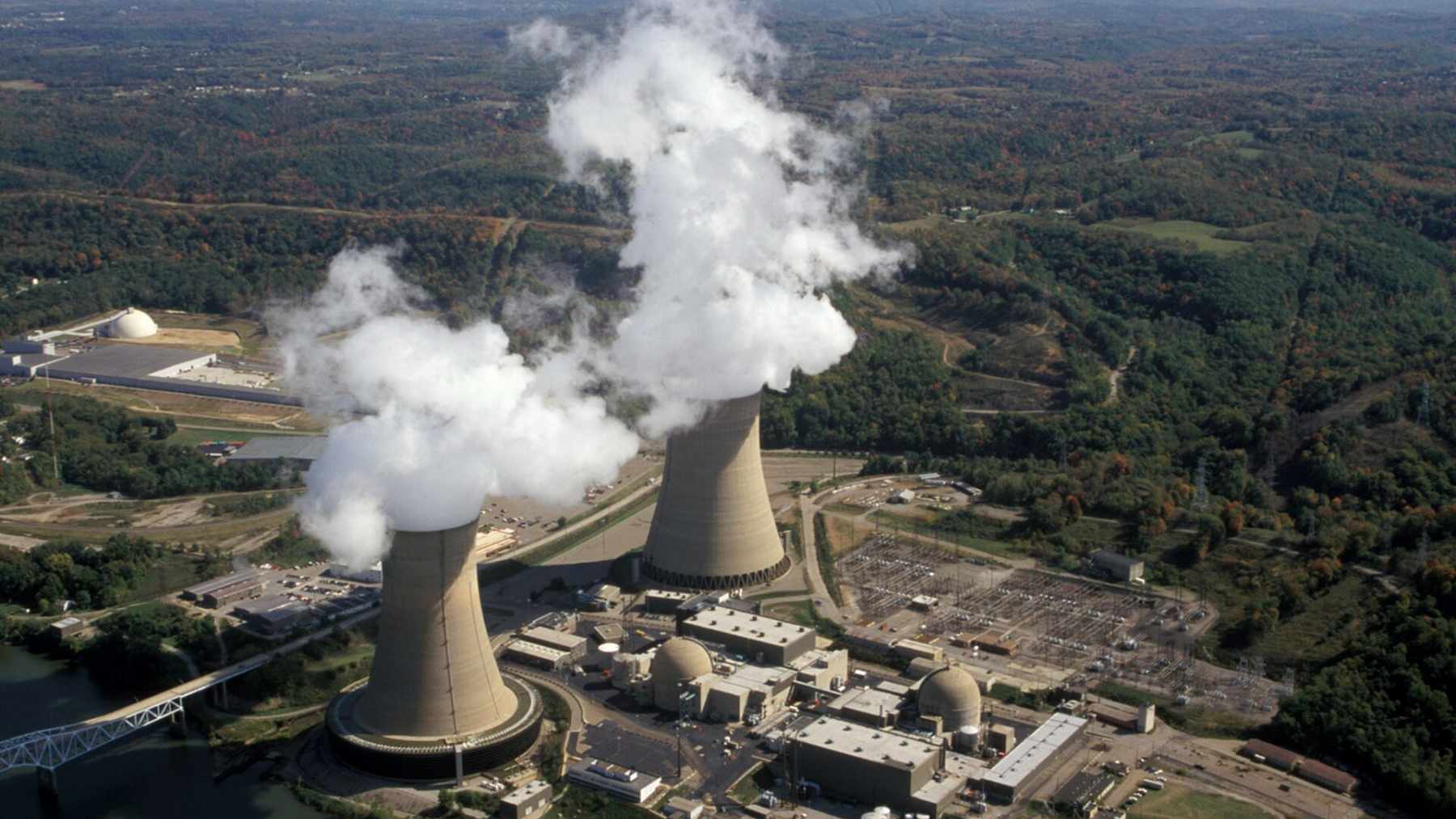
Only two U.S. sites do the separation at industrial scale, according to Oregon State: ATI Specialty Alloys & Components in Albany and Westinghouse Electric in Ogden, Utah. Each uses millions of pounds of flammable organic solvent a year.
Since the dawn of the nuclear age, the authors write, the job has been done by pulling hafnium isothiocyanate into methyl isobutyl ketone (MIBK). Those mixtures yield toxic, noxious byproducts and give variable performance, they say. The researchers also describe the extraction as energy intensive and note that roughly 4% of the solvent is lost to the air as pollution.
A food additive does the sorting
The Oregon State method uses precipitation instead, in which dissolved ions with opposite charges attract each other and form an insoluble solid. The mix is a water-based solution of natural zirconium with its few percent of hafnium impurity. Thiocyanate ligands bind to the metal ions, and then comes choline, which the university calls “an inexpensive, nontoxic chemical commonly used as a food additive.”
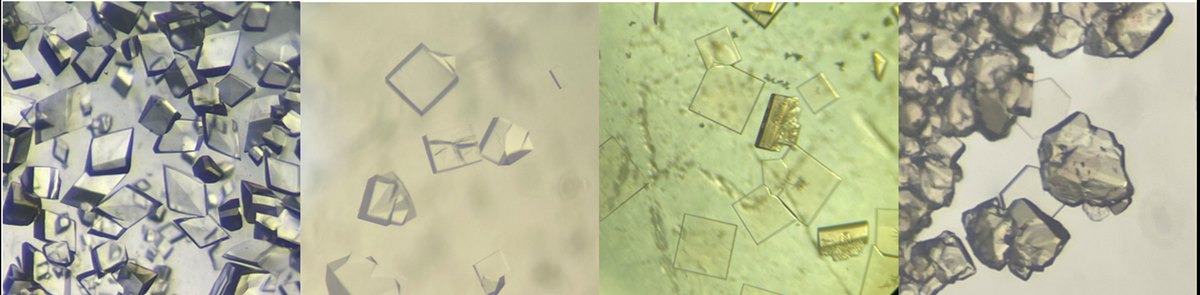
With choline in the water, no MIBK is needed, and hafnium-rich species precipitate out, the authors write. Under a microscope, the hafnium-rich solid grows as crystals of several shapes, some flat and square, some in rough clumps.
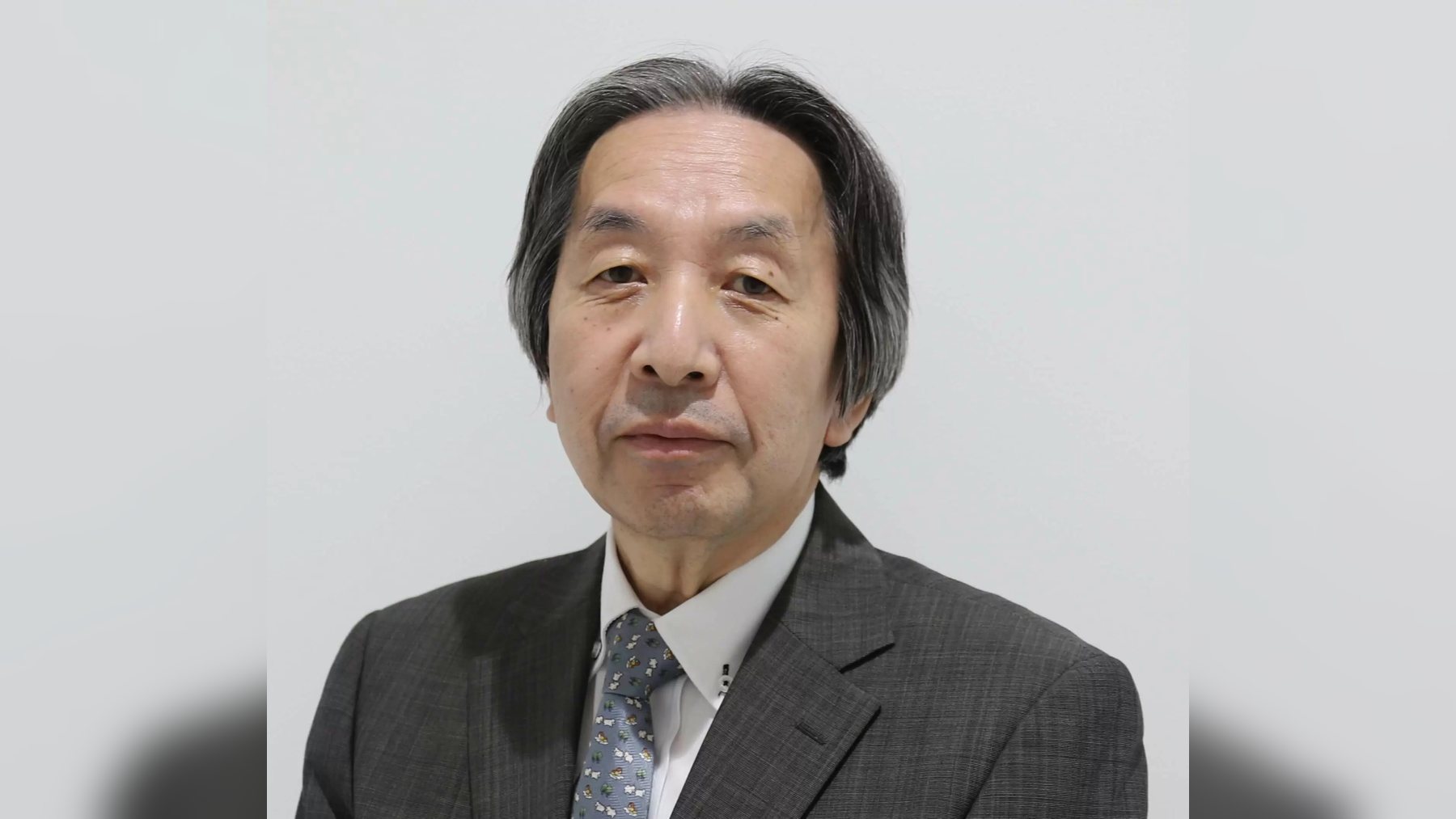
Graduate research assistant Alex Roseborough and May Nyman, the Terence Bradshaw Chemistry Professor at Oregon State, led the study. Roseborough now works as a metallurgist at the Department of Energy’s National Energy Technology Laboratory. Doctor Stephen, a Ph.D. student in materials chemistry, was a co-author, with Jack McLaughlin, Lev Zakharov, George Donkor-Gyami and Pere Miró.
Why 33 beats the industry’s 6 or 7
A separation factor rates how well a process splits two parts of a mixture. Above one, separation is possible, and the higher the number, the better, Oregon State explains.
The team got there by adding sulfate, acid and ammonium, which fine-tunes nuclearity, meaning how many metal atoms sit in one molecule. More acid made the molecules smaller, going from four metal atoms to one. In agreement with the experiments, the authors write, computation predicts that the smaller hafnium species are more thermodynamically favored than the zirconium ones.
“We describe in atomic-level detail how the separation works and how precipitation-based separations can compete with solvent extraction,” Nyman said. Precipitation methods have long been notoriously inferior to solvent extraction, the authors note. The work builds on a February 2025 paper in Angewandte Chemie International Edition by Roseborough, Nyman and colleagues, which called the approach a “greener” method for a separation crucial to the nuclear industry.
What still has to be proven
Nyman said the team still has questions to answer and milestones to reach, but called the findings exciting and impactful as society moves toward more carbon-free, high-density electricity, including nuclear energy.
The university calls the process patented and low energy. It has not announced a pilot plant, an industrial partner, or measured savings in energy, cost or emissions.
A score of 33 is not a purity figure either. Reactor and chip makers need very pure metal in large amounts, and the announcement does not say how many rounds of precipitation that would take.
The method drops MIBK but still uses thiocyanate, sulfate, acid and ammonium, and that waste needs its own count. Getting valuable metals out cheaply and at scale is the hard part in other fields too, as with lithium and magnesium in seawater.
The full study was published in the Journal of the American Chemical Society. The U.S. Department of Energy and the Murdock Charitable Trust supported the research.
Photo: Oregon State University (CC BY-SA 4.0)