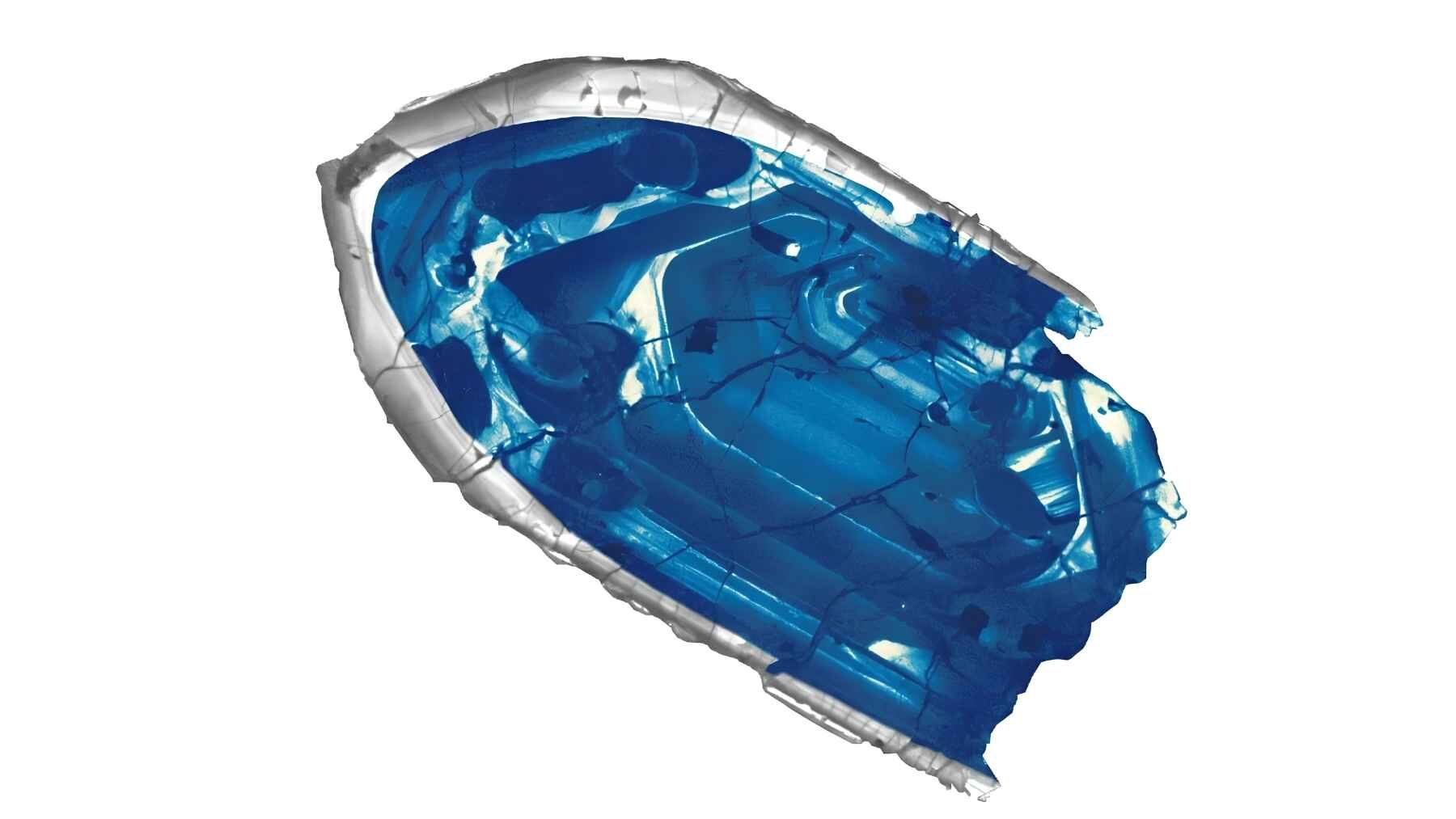
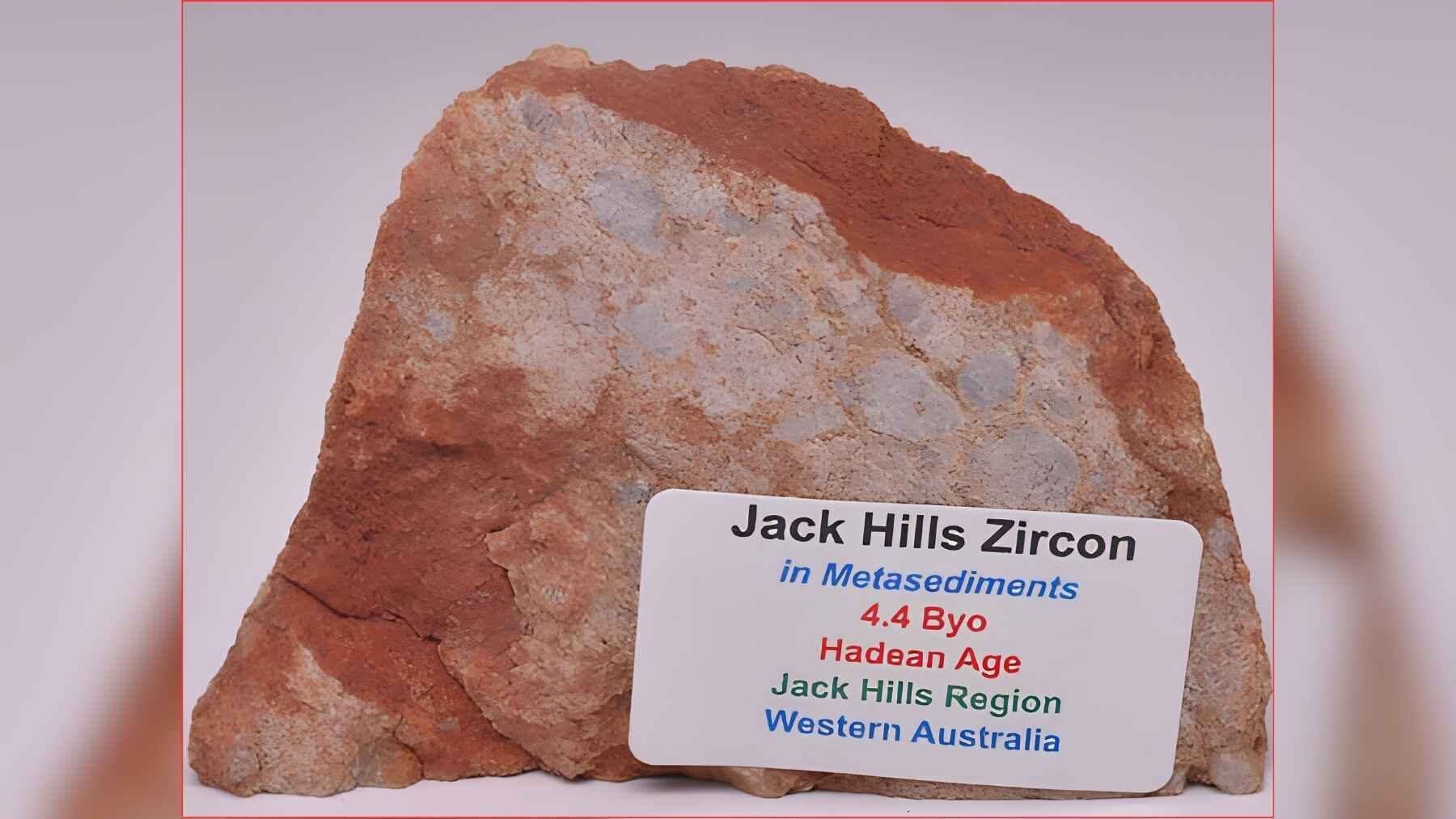
A tiny remnant of a 4.4-billion-year-old crystal was discovered in the Jack Hills in Western Australia. The find corresponds to a 2025 lunar study, which dates the Moon’s final solidification phase back to roughly the same era.
The solar system’s tumultuous beginnings have another piece of solid evidence. The corresponding estimated window is broad, but the dust-mite-sized specimen from early Earth probably formed in the same space of time when the Moon was crystallizing into what we see in the sky today.
A crystal older than continents
In 2001, scientists used uranium-lead geochronology to determine the zircon’s age. The estimation was later confirmed in 2014, using atom-probe tomography to erase concerns that lead movement inside the specimen could have affected the accuracy of the measurement.
The tiny grain, only 4 mm across, is made of a material resistant to erosion or chemical change, allowing it to last through Earth’s violent beginnings. Almost impervious to melting or burial, it managed to remain preserved in its original state through billions of years.
Signs of an early ocean
Analysts determined that the material must have been in contact with cold water before the crystal formed, according to its oxygen isotope chemistry. This offers the earliest evidence to date of the Earth’s continental crust and ocean formation.
The popular image of the Hadean world–a hellish, molten Earth lasting 600 million years, was now in doubt. The finding suggests that surface water and solid rock may have formed only 100 to 200 million years after the Earth’s formation, earlier than previously accepted.
The Moon was still hardening
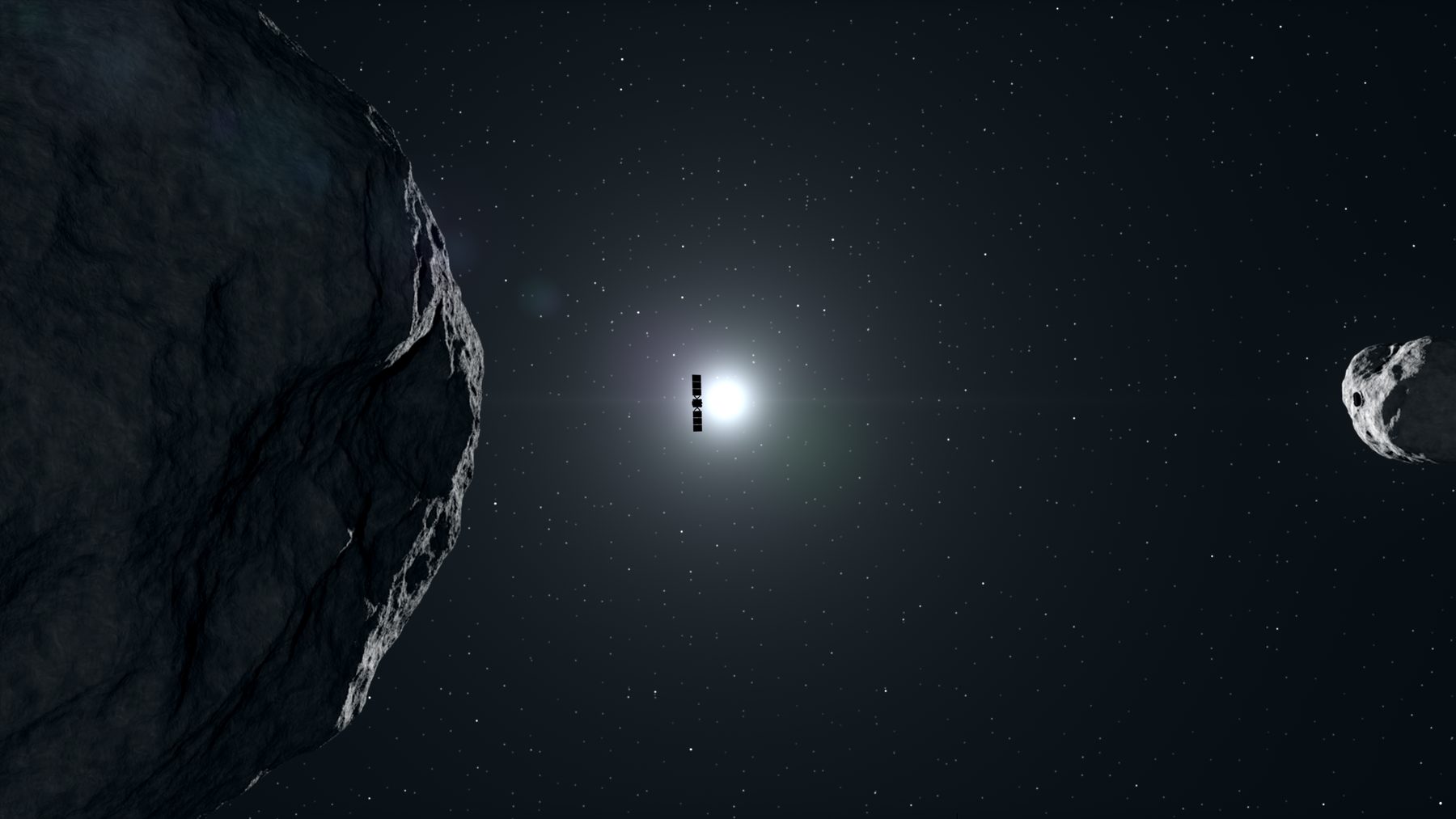
The popular explanation for the Moon’s birth was due to a violent collision between young Earth and a projectile the size of Mars. The impact produced a celestial body covered by an ocean of molten rock, which eventually cooled and crystallized.
The 2025 study measured radioactive decay in lunar zircons brought back from the Apollo missions. They concluded that the magma ocean on the Moon was over 90% crystallized around 4.43 billion years ago, give or take 76 million years.
Two clocks from the same era
A previous lunar study identified a zircon dating back 4.417 billion years, considered the likely time of the magma ocean crystallization. The Jack Hills grain is 13 million years earlier, while the 2025 estimate pre-dates that one by another 12 million years, both blinks of an eye in the scale of the universe.
Researchers cannot be sure if there is a direct connection, but there is certainly compelling evidence that the Moon and Earth surfaces were cooling in around the same geological era.
Incredibly, while continents were shifting and giant waterways opened and closed, this tiny grain remained chemically unchanged even as mountain ranges thrust upward and later vanished, giving us another clue about a perplexing past.
The most recent study was published on the PNAS website.